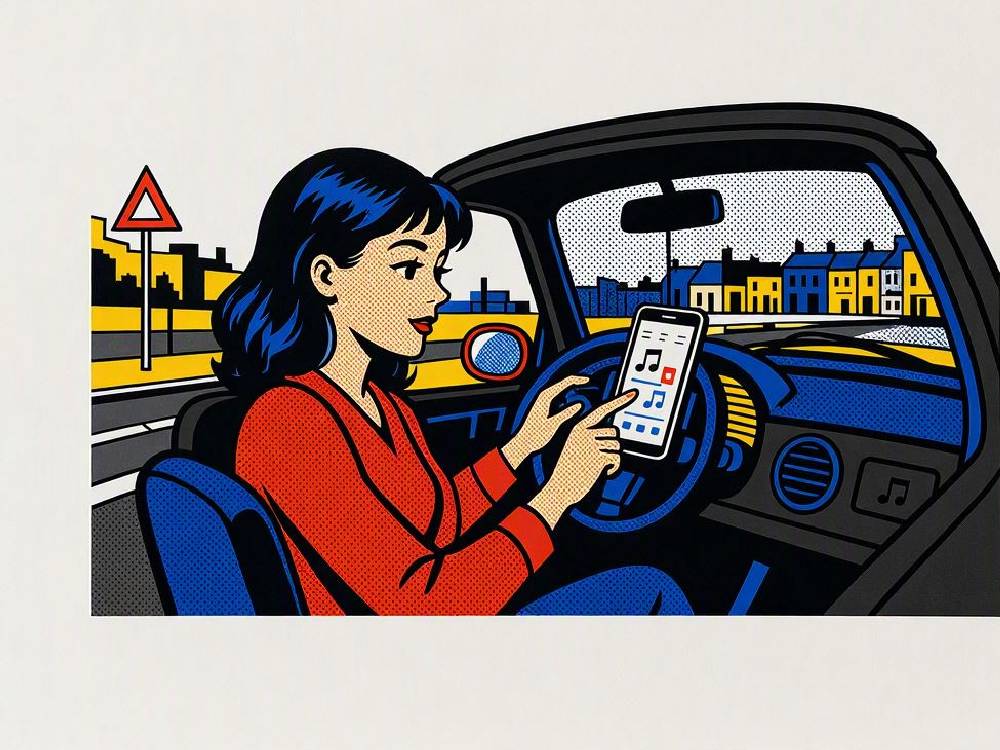
Ambulance Red light Rules? The £1,000 Fine UK Drivers Must Avoid

Introduction

Ambulance red light rules..

Flashing blue lights appear behind you, so you move quickly—but one well-intentioned mistake could mean three penalty points and a fine.

In this guide, we explain:

  • What to do when an ambulance approaches
  • Whether you can cross a red light
  • Where and when you should pull over
  • Which dangerous reactions drivers must avoid
  • How a traffic offence could affect your car insurance
  • Why staying calm may protect both your licence and your wallet

What Should You Do When An Ambulance Approaches?

Most drivers instinctively want to clear the road as quickly as possible.

That reaction makes sense.

However, speed is not the priority.

Safety is.

Highway Code Rule 219 tells drivers to consider the emergency vehicle’s route and take appropriate action while obeying traffic signs. (GOV.UK)

In other words, you should help the ambulance pass without creating another dangerous situation.

Ambulance Red Light Rules: Here Is The Crucial Point

The ambulance driver needs you to act predictably, not dramatically.

First, check your mirrors and assess the road ahead.

Then, look for somewhere safe to pull over without blocking a junction, bend or narrow section.

Signal clearly before changing your position.

Afterwards, slow down gradually and leave enough space for the emergency vehicle to pass.

Avoid braking sharply.

A driver behind you may not have seen the ambulance yet.

Likewise, do not stop in the middle of the road unless traffic conditions leave no safer alternative.

You could block the ambulance rather than help it.

And there is another risk

Some drivers panic and mount the kerb.

However, doing so could endanger pedestrians, damage the vehicle or cause a collision.

The Highway Code specifically advises drivers not to endanger themselves, pedestrians or other road users when making space.

Therefore, stay controlled and keep observing your surroundings.

Finding cheap car insurance matters, but protecting your driving record matters too.

One rushed decision can carry consequences long after the ambulance has passed.

Ambulance Red Light Rules: Can You Go Through A Red Light For An Ambulance?

No.

You should not cross the solid white stop line while the traffic signal remains red.

This rule still applies when an ambulance, police car or fire engine waits behind you.

Blue Light Aware advises the first driver in a queue to remain where they are and let the emergency vehicle find another route. That May Feel Completely Wrong

You can hear the siren.

Can see the flashing lights.

You may even feel pressure to move.

Nevertheless, crossing the line could place you directly in the path of pedestrians or traffic entering from another direction.

The emergency driver understands this.

Emergency crews receive specialist training and can use legal exemptions that ordinary motorists cannot use.

Therefore, let the crew decide how to navigate the junction.

Do not enter the junction, edge across the line or move into crossing traffic.

The only clear exception arises when a uniformed police officer directs you to move.

Drivers must follow lawful directions from police officers controlling traffic.

What happens If You Go Through A Red Light For An Ambulance?

Failing to comply with traffic-light signals carries three penalty points.

A court can also impose a maximum fine of £1,000 and may consider disqualification. (GOV.UK)

That does not mean every driver will automatically receive a £1,000 bill.

However, the potential penalty remains serious.

A camera records your vehicle crossing the line.

It does not automatically know that an ambulance was behind you.

Furthermore, points on your licence may affect future car insurance options.

Insurers calculate premiums using numerous risk factors, including driving history and motoring convictions.

Consequently, a moment of panic could make finding the cheapest car insurance more difficult later.

What If The Ambulance Remains Directly Behind You?

Stay calm and remain predictable.

Do not assume that a sounding siren gives you permission to break road rules.

This is where many drivers make the mistake.

They focus entirely on the ambulance and stop watching pedestrians, cyclists and surrounding traffic.

Instead, keep checking every direction.

If the lights change to green, move forward carefully and create space as soon as conditions allow.

If they remain red, stay behind the stop line.

The ambulance may use another lane, move around the traffic or wait until the junction becomes safe.

Although the delay may feel uncomfortable, an unsafe manoeuvre could waste more time.

Worse still, it could cause another emergency.

Drivers searching for very cheap car insurance should remember that avoiding offences remains one of the simplest ways to protect their record.

Ultimately, helping an ambulance does not mean moving at any cost.

It means responding safely, legally and without panic.

**H2 Conclusion

Can You Go Through A Red Light For An Ambulance At A Junction Box?

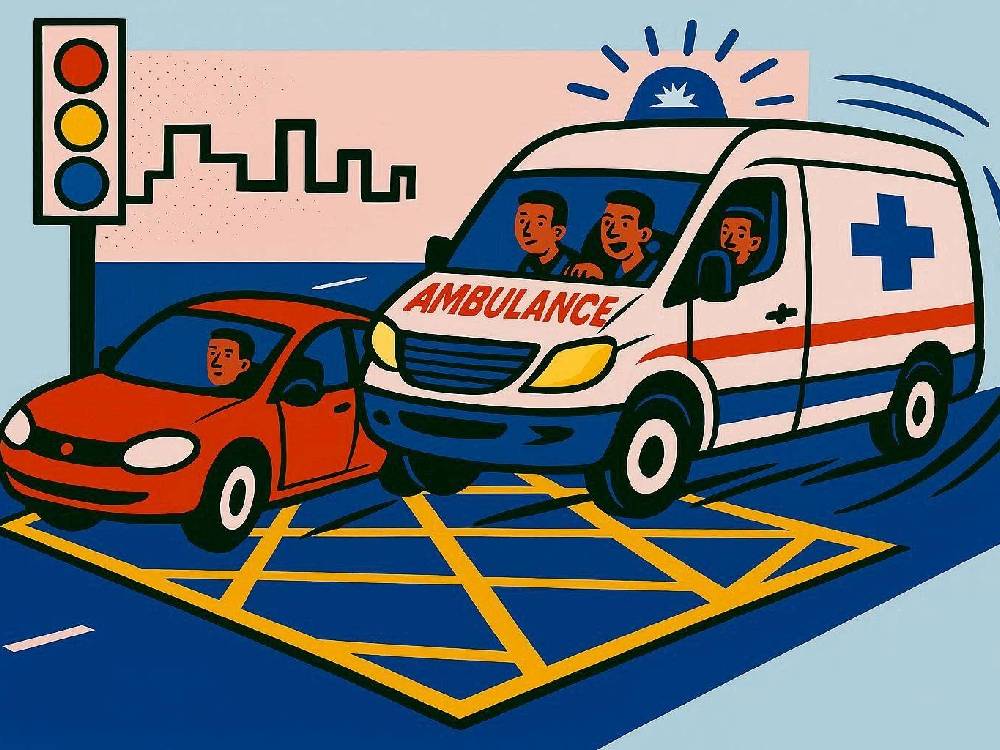
An approaching ambulance does not cancel yellow box junction rules.

You should only enter when your exit is clear.

Otherwise, you may become trapped inside the box.

And that creates a bigger problem.

Instead of helping the ambulance, you could block its route completely.

The usual right-turn exception still applies.

However, you must only wait when oncoming traffic or another right-turning vehicle prevents you from completing the turn.

Do not follow the vehicle ahead without checking the available space.

Likewise, never enter simply because another driver behind you starts sounding their horn.

Their impatience will not protect you from a penalty.

Can You Use A Bus Lane Or Mount The Kerb?

Drivers sometimes move into a bus lane when blue lights appear behind them.

However, you should not enter a restricted lane unless the signs allow your vehicle to use it.

Bus lanes often contain cameras.

Therefore, entering one at the wrong time could result in a Penalty Charge Notice.

But that is not the only danger.

Cyclists, motorcyclists and buses may already be using the lane.

A sudden movement could cause a serious collision.

Mounting the kerb creates similar risks.

Pedestrians may not expect a car to move onto the pavement, even during an emergency.

Stay on the road and move aside only when it is safe.

A calm response protects everyone.

Ambulance Red Light Rules: How Much Could The Mistake Cost?

The penalty depends on the rule you break.

Crossing a red light can lead to three penalty points and a fine.

A court may impose a maximum fine of £1,000.

Yellow box and bus lane offences usually involve council-issued penalties instead.

However, charges vary between local authorities.

More serious manoeuvres could also lead to allegations of careless or dangerous driving.

Here is why that matters.

The immediate fine may not represent the full cost.

Penalty points and motoring convictions can also influence future car insurance prices.

Insurers consider your driving history when assessing risk.

Consequently, a rushed decision could make finding cheap insurance in the UK more difficult.

You must also answer your insurer’s questions honestly.

Failing to declare requested information could create problems later, particularly when making a claim.

What Do Silent Blue Lights Mean?

An ambulance may sometimes display blue lights without using its siren.

That does not necessarily mean the emergency has ended.

The crew may reduce noise near vulnerable road users, during quieter hours or when traffic cannot safely move.

Therefore, continue watching the vehicle.

Do not make a sudden manoeuvre simply because the siren stops.

The safest approach remains the same.

Stay alert, remain predictable and create space when conditions allow.

Five steps to remember

  1. Stay calm and check your mirrors.
  2. Identify where the emergency vehicle needs to go.
  3. Signal before changing speed or position.
  4. Obey red lights, road markings and restricted lanes.
  5. Move aside only when it is safe and legal.

Frequently asked questions

Do I legally have to move for an ambulance?

You should take appropriate action to help it pass while continuing to follow traffic laws.

Can you go through a red light for an ambulance?

No.

Remain behind the stop line unless a uniformed police officer directs you to move.

Will penalty points increase my insurance?

They may.

The effect depends on the offence, your driving history and the insurer’s pricing rules.

Comparing providers may help you find the cheapest car insurance available for your circumstances.

Conclusion

Stay calm and protect your licence.

Most drivers want to help emergency crews reach their destination quickly.

However, panic can turn good intentions into an expensive mistake.

Do not cross a red light, enter a blocked junction or endanger pedestrians.

Instead, stay calm and let the emergency driver choose the safest route.

One careful decision could protect your licence, your insurance premium and everyone around you.

Driver Fined Again Paying Parking Ticket Using A Mobile Phone While Driving

Introduction

Using a mobile phone while driving is a no-no!

A Guildford driver reportedly received a £200 fine and six penalty points while using her phone to pay an earlier parking penalty.

The timing could hardly have been worse.

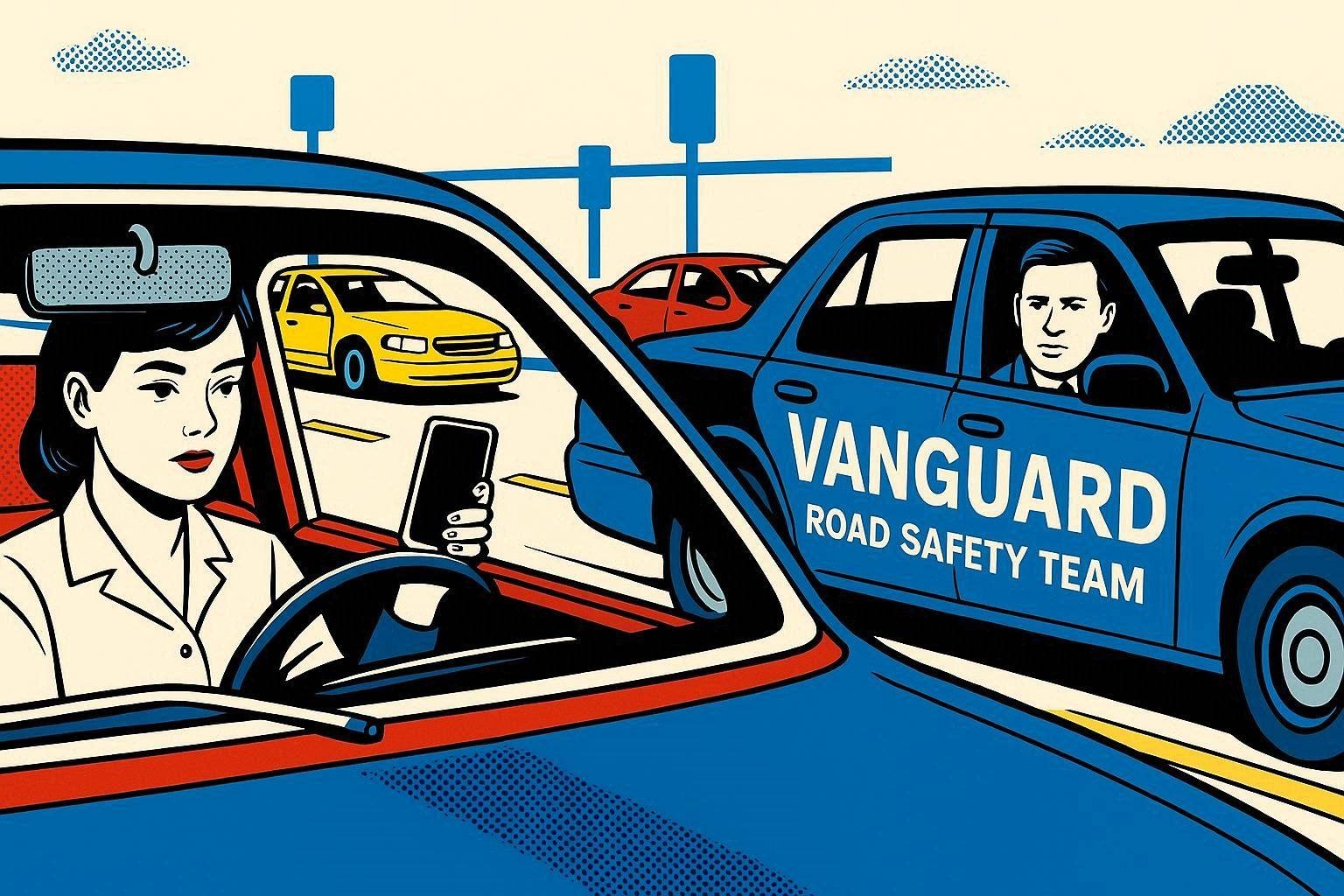
She was sitting in stationary traffic when an unmarked police vehicle pulled alongside her.

Moments later, she realised officers had seen the phone in her hand.

The incident offers a clear warning for UK motorists.

Being stuck in traffic does not usually make handheld phone use legal.

A brief mistake can also affect your licence, your finances and potentially your future Car Insurance.

Using A Mobile Phone While Driving To Pay A Fine Costs Driver £200

The incident took place in Guildford, Surrey.

Footage shared by Surrey Roadsafe showed the woman using her phone behind the wheel.

However, she was not reportedly making a casual call.

Instead, she appeared to be paying a parking fine.

That detail makes the story memorable.

It does not make the phone use lawful.

At the time, her vehicle was sitting in stationary traffic.

She may therefore have believed that handling the device carried little risk.

Then an unmarked Vanguard Road Safety Team vehicle pulled alongside her.

The specialist unit operates within Surrey Police.

Officers could reportedly see the phone in her hand.

The woman then looked across and appeared to realise who was watching.

That was when the situation changed.

She was issued with a Traffic Offence Report.

The outcome was another £200 fine and six penalty points.

In other words, paying one penalty helped create a second, more serious problem.

A payment can wait. Six penalty points may follow you for years.

Why Stationary Traffic Still Counts As Driving

Here is the crucial point.

A car does not need to be moving for the handheld phone rules to apply.

Drivers can still commit an offence by using a mobile phone while waiting at traffic lights.

The same applies when queuing in congestion.

Therefore, saying “I was not moving” does not automatically provide a defence.

Many drivers misunderstand this rule.

They see a red light or traffic jam as a safe opportunity to check their screen.

After all, the wheels have stopped.

The journey, however, has not ended.

You remain responsible for the vehicle while waiting for traffic to move.

Your attention should stay on nearby cars, pedestrians, cyclists and changing road conditions.

A queue can also begin moving without warning.

That is why the safest rule remains simple.

Wait until you have parked properly before handling the phone.

What Counts As Handheld Phone Use?

This is where many motorists get caught out.

The offence is not limited to calls or text messages.

It can also cover:

  1. Opening an app
  2. Checking social media
  3. Taking photographs
  4. Choosing music
  5. Entering navigation details
  6. Making an online payment

Therefore, paying for parking is not automatically treated differently from using another app.

The purpose may feel sensible.

The method remains the problem.

One quick tap can easily become several.

Then a message appears.

Next, the driver looks down for longer than intended.

That is how a small distraction grows.

Are There Any Exceptions To Using A Mobile Phone While Driving?

Yes, but the exceptions are narrow.

Drivers may use a handheld phone to call 999 or 112 during a genuine emergency when stopping is unsafe.

Certain contactless payments may also be allowed while the vehicle remains stationary.

For example, this may apply at a drive-through or toll terminal.

However, it does not provide general permission to browse a parking app in traffic.

Remote parking functions can also fall within a specific exception.

Again, that does not allow unrelated phone use behind the wheel.

So, here is the safest approach.

Unless a clear exception applies, put the phone down until you have parked.

What Is The Penalty For Using A Mobile Phone While Driving?

The standard penalty for illegal handheld phone use is £200 and six penalty points.

That is a serious punishment for a few seconds of distraction.

However, the fine may not be the largest long-term cost.

The points can remain relevant when drivers apply for future insurance.

They can also create immediate problems for newly qualified motorists.

Why Six Points Matter For New Drivers

Here is where the situation becomes even more serious.

Drivers who receive six points within two years of passing their test can have their licence revoked.

One mobile phone offence may therefore be enough.

The driver may need to apply for another provisional licence.

They may also need to retake both driving tests.

That means more lessons, more fees and more disruption.

For many young motorists, losing a licence can also affect work or education.

And then there is insurance.

New drivers already tend to face higher prices.

A mobile phone conviction can make finding cheap car insurance for young drivers even more difficult.

That is a considerable price for a task that could have waited.

How Can Penalty Points Affect Car Insurance?

Insurers consider driving convictions when calculating risk.

Therefore, six points may increase the price of your next policy.

The exact increase will vary.

Your age, vehicle, location and claims history will still matter.

Even so, some insurers may offer fewer options after a conviction.

Others may charge a higher premium or excess.

This is why drivers should never assume their renewal remains competitive.

Instead, compare several car insurance options before accepting a price.

The difference between insurers can become larger after penalty points.

And this matters.

The cheapest policy before a conviction may not remain the cheapest afterwards.

Do You Need To Tell Your Insurer?

Drivers should check their policy documents carefully.

Some insurers require notification during the policy term.

Others ask about convictions when the policy renews.

Either way, you must answer every question honestly.

Failing to disclose relevant information could create problems later.

For example, an insurer may investigate when you make a claim.

Incorrect details can also affect whether cover remains valid.

So, do not hide the offence to obtain a lower quote.

That is not genuine very cheap car insurance.

It is a risk that could become far more expensive.

Can You Still Find Cheaper Cover With Points?

Yes, although you may need to search more carefully.

Start by comparing quotes from several providers.

Next, check that every conviction detail is accurate.

Then review the parts of the policy you can control.

For example:

  • Choose a car from a lower insurance group
  • Review your annual mileage honestly
  • Improve the vehicle’s security
  • Avoid unnecessary optional extras
  • Consider a higher voluntary excess you can genuinely afford
  • Compare quotes before your renewal date

These steps will not erase the conviction.

However, they may help reduce the overall cost.

You can also read our guide to five ways to save money on car insurance.

The important thing is to compare like-for-like cover.

A lower price is not useful when the policy removes protection you actually need.

How Should Drivers Pay For Parking Safely?

The safest option is simple.

Park properly before using the phone.

Do not complete a payment while waiting at traffic lights.

Do not hold the device while sitting in congestion.

Instead, finish the payment before beginning the journey.

Alternatively, ask a passenger to use the app.

If necessary, pull over somewhere legal and safe.

A parking payment may feel urgent.

Usually, it can wait for a few minutes.

Six penalty points are much harder to undo.

Using A Mobile Phone While Driving: What Should Drivers Learn From This Case?

The Guildford incident highlights a common misunderstanding.

Stationary traffic does not normally make handheld phone use legal.

The reason for using the phone does not automatically matter either.

Paying a penalty may sound responsible.

Yet the driver still handled the device behind the wheel.

That single decision reportedly created another fine and six points.

It may also affect the cost of her future insurance.

Here is the real lesson.

A phone task can wait.

Your licence may depend on it.

Conclusion

The driver in Guildford reportedly tried to settle one penalty and received another.

Unfortunately, the second offence carried far more serious consequences.

A £200 fine hurts immediately.

Six penalty points can create problems for years.

They may threaten a new driver’s licence.

They may also make the cheapest car insurance harder to find.

So, resist the temptation to use your phone in stationary traffic.

Wait until you have parked safely.

Then make the payment, send the message or change the route.

A few minutes of patience could protect your licence and your wallet.

For related guidance, read our articles on:

mobile phone offences and losing your licence,

driving convictions and insurance and

what can invalidate car insurance.

Reflective Clothing: The £100 Breakdown Mistake UK Drivers Could Make

Introduction

Reflective clothing.

Most UK drivers think about Car Insurance when renewal time arrives.

However, one small item in your car could matter much sooner.

That item is high-visibility or reflective clothing.

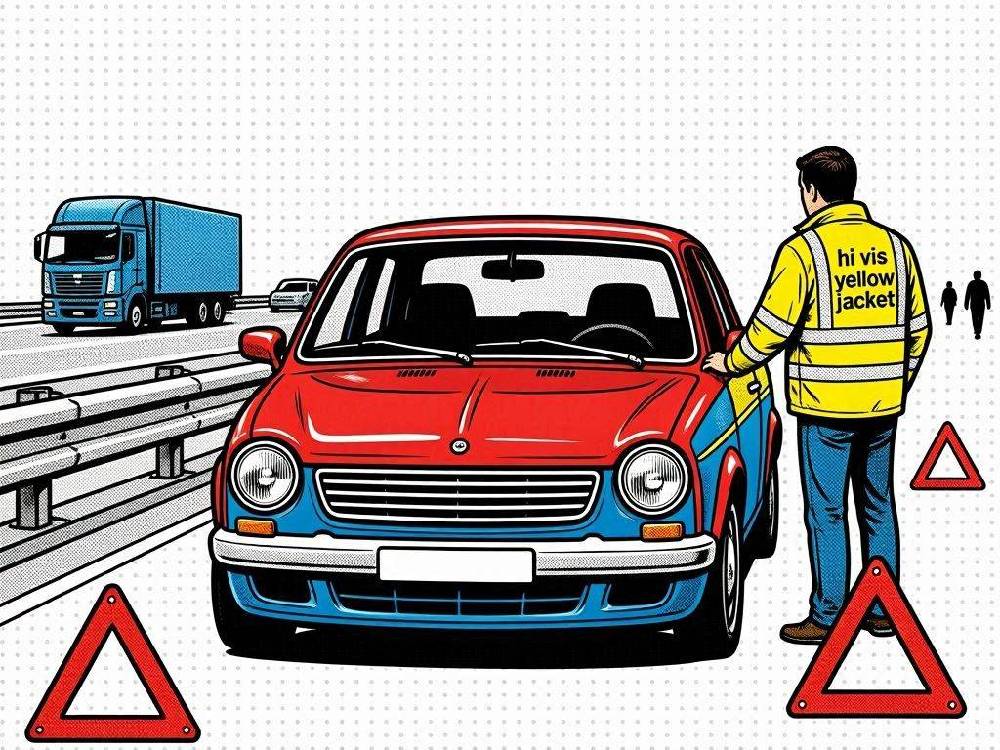
Under Highway Code Rule 274, drivers should make themselves visible after a breakdown.

That means fluorescent clothing in daylight.

And reflective clothing at night or in poor visibility.

Here’s the catch.

Many motorists do not carry anything reflective in their car.

Yet breakdowns can happen anywhere.

On a motorway.

On a dark A-road.

Or on a smart motorway with traffic flying past.

Therefore, this is not just a safety issue.

It could also become a fine, points, claim, or future Car Insurance problem.

Reflective Clothing: The One Item UK Drivers Should Keep In Their Car

A hi-vis vest is not exciting.

However, during a breakdown, it can become essential.

It costs very little.

It takes up almost no space.

Yet many drivers still do not keep one in their vehicle.

That is risky.

Because when your car breaks down, your first job is not to inspect the engine.

It is not to panic-call three different people.

Your first job is to stay visible.

Here’s why.

Other drivers may not see you quickly enough.

Especially at night.

Especially in heavy rain.

And especially if you step out wearing dark clothing.

Therefore, reflective clothing gives approaching drivers more time to react.

That small advantage could matter enormously.

Why Reflective Clothing Matters For Car Insurance

At first, a hi-vis jacket may not seem connected to Car Insurance.

After all, insurers do not usually ask if you carry reflective clothing.

However, insurance is always connected to risk.

And breakdowns can create risk very quickly.

A stranded car can become a hazard.

A driver standing near traffic can become vulnerable.

Another vehicle can brake, swerve, or hit your car.

Then, suddenly, a simple breakdown becomes an insurance issue.

That could mean a claim.

It could mean paying an excess.

It could mean losing part of your no-claims discount.

Therefore, it could mean higher Car Insurance costs later.

So, yes, finding Cheap Insurance UK matters.

But avoiding avoidable claims matters too.

Because the cheapest claim is the one you never need to make.

What Highway Code Rule 274 Actually Says

Highway Code Rule 274 covers breakdowns and incidents.

It tells drivers to think about safety first.

That sounds obvious.

However, real breakdowns rarely feel calm.

You may feel stressed.

May have children in the car.

You may be stuck near fast-moving traffic.

So the basics matter.

If possible, get your vehicle off the road.

Then warn other traffic.

Use hazard warning lights if your vehicle causes an obstruction.

Also, help other road users see you.

That is where reflective clothing comes in.

The Highway Code says drivers should wear light-coloured or fluorescent clothing in daylight.

It also says drivers should wear reflective clothing at night or in poor visibility.

The simplest breakdown kit is often the one drivers forget: something that makes them visible.

And there is another important point.

Warning triangles are not always suitable.

On ordinary roads, you may use one if it is safe.

However, you should never use a warning triangle on a motorway.

So, let’s make it simple.

  • Use hazard lights if your vehicle causes an obstruction
  • Wear visible clothing if you leave the car
  • Move away from traffic as soon as possible
  • Never use a warning triangle on a motorway
  • Do not attempt repairs in a live traffic lane

Now here’s where it gets serious.

A breakdown starts as a mechanical problem.

However, it can quickly become a visibility problem.

Then, if another driver fails to see you, it becomes a safety problem.

And, after that, it may become a Car Insurance problem.

The “One, Two, Three” Breakdown Rule

When stress kicks in, simple rules help.

  1. One: make the vehicle visible with hazard lights.
  2. Two: make yourself visible with reflective clothing.
  3. Three: move away from traffic and call for help.

That is the basic version.

However, every road is different.

A quiet street is one thing.

A smart motorway is another.

Therefore, judgement still matters.

If your car breaks down near fast traffic, do not stand behind it.

Do not try to fix it while vehicles pass beside you.

Instead, get clear.

Get visible.

Get help.

It may feel dramatic, but visibility can become the difference between a breakdown and a disaster.

Why Smart Motorways Make This More Serious

Smart motorways make breakdown safety feel even more urgent.

That is because the hard shoulder may not always work as drivers expect.

In some areas, it can become a live traffic lane.

Therefore, if your car stops suddenly, visibility matters immediately.

National Highways figures reported in 2025 showed 141,149 smart motorway breakdown incidents in 2024.

That is a serious number.

And, therefore, drivers should not treat motorway breakdowns casually.

Here’s the rule.

Do not wander around the vehicle.

Don’t stand behind the car.

Do not try to fix it beside fast-moving traffic.

Instead, put your hazard lights on.

Move left if safe.

Leave the motorway if possible.

Exit from the side away from traffic.

Then stand behind a safety barrier if there is one.

Also, never use a warning triangle on a motorway, because Highway Code Rule 274 says not to. (GOV.UK)

That small detail matters.

Because the wrong safety habit can become dangerous on the wrong road.

Reflective Clothing Should Be In A Basic UK Breakdown Kit.

A basic breakdown kit does not need to fill your boot.

However, it should be easy to reach.

After all, a hi-vis vest buried under luggage is not much use.

So keep the essentials close.

  • Reflective or fluorescent jacket
  • Torch
  • Portable phone charger
  • Warning triangle for non-motorway roads
  • Breakdown cover details
  • Warm clothing
  • Water
  • Locking wheel nut key
  • Tyre inflator

This is not overkill.

It is preparation.

Because once your car stops, your options can shrink quickly.

Your phone battery may be low.

The weather may turn.

Traffic may build around you.

And, meanwhile, you may feel stressed.

Therefore, a small kit can make a bad moment easier to manage.

For many drivers, breakdown cover may also be worth comparing.

Not every driver needs the same level of cover.

However, every driver needs a plan.

How Breakdown Mistakes Could Affect Car Insurance

A breakdown does not automatically affect your Car Insurance.

However, what happens next might.

That is the key distinction.

If another car hits your stranded vehicle, you may need to claim.

If you act unsafely, liability may become more complicated.

And if you receive penalty points, future quotes may rise.

And if your no-claims discount changes, your renewal price may feel painful.

So, although Very cheap car insurance sounds attractive, drivers should think beyond the headline price.

The better question is this.

Does the policy give useful protection when life gets messy?

That may include breakdown options, legal cover, courtesy car terms, excess levels, and claims support.

Therefore, before you renew, compare Car Insurance options properly.

Price matters.

Of course it does.

But cover matters too.

Because the cheapest policy can become expensive if it leaves you exposed.

Conclusion

A hi-vis vest is not glamorous.

However, it could be one of the smartest things you keep in your car.

It costs very little.

It takes seconds to use.

And, crucially, it may help other drivers see you sooner.

That matters during any breakdown.

However, it matters even more on motorways, smart motorways, dark roads, and poor-weather journeys.

So, before your next trip, check your boot.

Add reflective clothing.

Keep your phone charged.

Know what to do if your vehicle stops.

And, meanwhile, review your Car Insurance with the same practical mindset.

Because Cheap Car Insurance is important.

However, avoiding claims, fines, points, and dangerous roadside mistakes is just as important.

The real win is simple.

Stay visible.

Stay safe.

And avoid turning a small breakdown into a much bigger bill.

For more practical help, read our guides on:

telematics car insurance,

comprehensive vs third party cover,

switching car insurance,

and 5 ways to save money.

Car Insurance And Wearing Headphones: What UK Drivers Need To Know

Introduction

Car insurance and headphones.

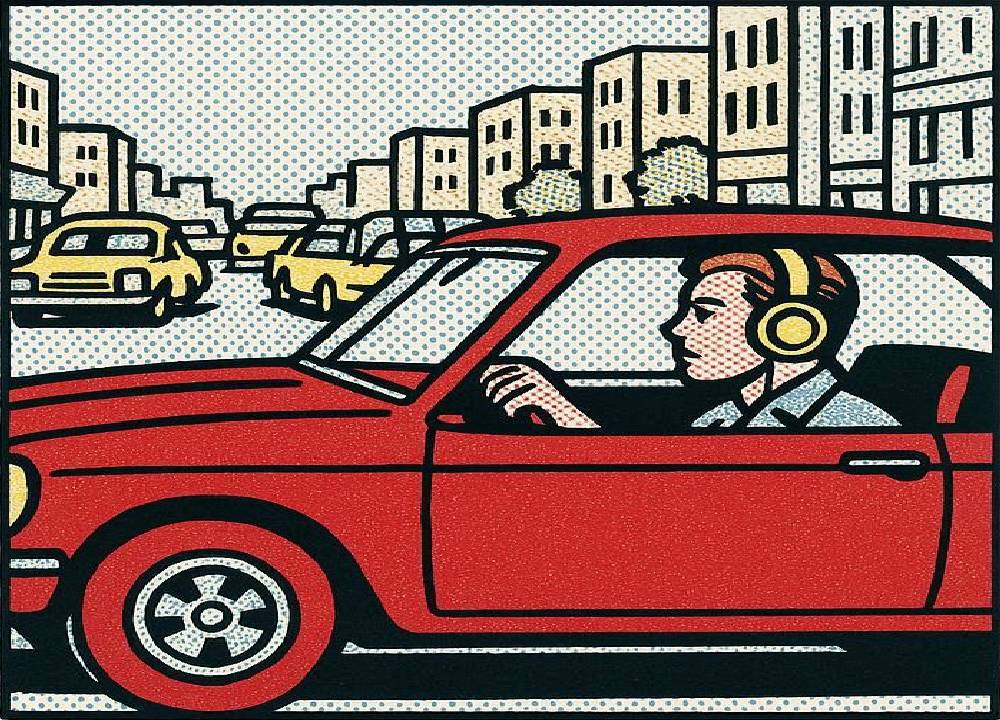
Driving while listening to music, podcasts, or phone calls through headphones might feel harmless, but it’s riskier than you think.

Ignoring the sounds around you can affect both your safety and your car insurance.

In this article, we’ll cover:

  • Whether wearing headphones while driving is legal in the UK
  • The safety risks involved
  • Fines and penalties you could face
  • Safer alternatives to headphones
  • Tips to protect both your licence and your cheap car insurance

You might assume headphones are safe.

After all, there’s no law explicitly banning them.

But here’s the tricky part…

The police can issue fines for driving without due care and attention.

Here’s what most drivers don’t realise…

Even if it’s not illegal per se, wearing headphones can still land you in trouble.

Think about it.

If an emergency vehicle’s siren goes unnoticed, or a cyclist swerves in front of you, can you react in time?

Experts warn that cutting out hearing can dramatically reduce your road awareness.

And if something serious happens?

You could be facing £5,000 in fines, nine points on your licence, or even a driving ban.

Using headphones isn’t just a minor distraction.

It’s a way of ignoring critical cues from the road around you.

This includes:

  • Emergency sirens
  • Horns from other drivers
  • Shouts or warnings from pedestrians

Even worse, handling your mobile device while using headphones can multiply the danger.

The Highway Code is clear:

“It’s illegal to hold and use a phone, sat nav, tablet, or any device that can send or receive data, while driving or riding a motorcycle.”

This applies whether you’re stopped at lights, stuck in traffic, or supervising a learner driver.

Ignoring it could cost you both money and points on your licence.

For younger drivers, the consequences are even more severe. Learn more in our young drivers tips guide.

Car Insurance And Headphones: Safety Risks Of Wearing Headphones

It’s easy to see why people choose headphones in older cars.

Modern vehicles often come with built-in Bluetooth and hands-free options, making headphones unnecessary.

But older models?

Drivers might feel tempted to plug in headphones to catch up on music or podcasts while commuting.

That’s where the danger comes in.

Imagine this…

You’re listening to your favourite playlist.

A cyclist suddenly appears from behind a parked van.

Your headphones muffled the sound of their bell.

You have no warning.

That split second could make all the difference.

Worse still, using headphones usually means handling your mobile phone.

Distraction. Fines. Potentially higher cheap insurance UK premiums.

Fines And Penalties

The rules aren’t just guidelines.

You could face:

  • £100 on-the-spot fines for careless driving
  • Three points on your licence
  • Court appearances for more serious incidents
  • Up to £5,000 in financial penalties
  • A potential driving ban

Here’s the kicker…

If your headphones contribute to a collision, insurers could view it as negligence.

That could affect your cheap car insurance rates, especially if it’s your first claim.

Even if the accident seems minor, insurance companies often flag risky behaviour.

So wearing headphones isn’t just about safety—it’s also about keeping your insurance premiums low.

Car Insurance And Headphones: The Alternatives

Fortunately, you don’t need headphones to enjoy music or take calls while driving.

In fact, most modern cars come with built-in speakers, Bluetooth connectivity, or hands-free phone systems.

Even if your vehicle is older, simple upgrades like speakerphone adapters or Bluetooth kits can make a huge difference.

Here’s a tip you shouldn’t ignore…

Switching to these alternatives keeps your hands free, which is safer for you and everyone else on the road.

Additionally, it allows you to hear everything happening around your vehicle, including horns, sirens, and even subtle warnings from pedestrians.

Not only is this a smarter choice for safety, but it can also protect your cheap car insurance from potential claims caused by distracted driving.

Furthermore, using headphones increases the risk of handling your mobile device, which could lead to penalties under the Highway Code.

Don’t risk it.

By keeping your focus on the road, you minimise accidents and avoid potential insurance hikes.

Tips For Staying Safe And Protecting Your Car Insurance

Of course, avoiding headphones is just the first step.

You also need to take practical actions to ensure both your safety and your insurance rates remain low.

Here’s what you can do:

  • Avoid headphones while driving, even for short trips
  • Use in-car Bluetooth or hands-free systems whenever possible
  • Plan your routes ahead of time to reduce distractions
  • Stay constantly aware of other vehicles, pedestrians, and cyclists

Remember this…

Your licence, your safety, and your car insurance all depend on your attentiveness.

Moreover, even small lapses in awareness can have major consequences, including accidents, fines, or increased premiums.

Finally, by following these steps consistently, you’re not only protecting yourself but also signalling responsible behaviour to insurers, which may help maintain the cheapest car insurance rates available.

Conclusion

In conclusion, wearing headphones while driving may seem harmless, but the risks are very real.

From fines and penalty points to potential increases in cheap car insurance premiums, the stakes are higher than many drivers realise.

Luckily, modern alternatives such as in-car Bluetooth, hands-free systems, or built-in speakers make headphones unnecessary.

Here’s the bottom line…

Keeping your ears open and your attention focused ensures you stay safe on the road.

Avoid legal trouble and maintain your cheap insurance UK.

Remember, staying alert isn’t just about obeying the law—it’s also about protecting your wallet and your family.

For comprehensive guidance and to find the cheapest car insurance in the UK, visit our website today.

If you found this article useful, you might also like:

Car Insurance Warning: What Triggers Speed Cameras?

Introduction

What triggers speed cameras?

You’ve probably heard it before.

That old myth: “As long as you’re not more than 10% + 2mph over, you’re safe.”

But here’s the truth…

Even 1mph over the speed limit could land you in trouble — and wreck your car insurance premiums for years.

Most UK drivers don’t realise how speed cameras really work.

Or what they actually record.

Or how fast you can go before the fine kicks in.

This guide changes that.

What Speed Really Triggers Speed Cameras?

You might not like this answer.

But it’s the one you need to hear.

There is no legal “buffer zone.”

No guaranteed grace period.

No official 10% + 2 mph rule you can rely on.

That’s right.

You’re legally speeding the second you go 1mph over the limit.

And that means you’re liable for a fine, penalty points, or worse.

“Doing 35 in a 30 zone?

That’s a common myth.

You’re not safe.”

The National Police Chiefs’ Council does recommend a 10% + 2mph margin — but it’s only guidance.

Officers aren’t required to follow it.

And camera technology?

It doesn’t care.

Some forces enforce strictly.

Others apply discretion.

But you don’t want to gamble on which type catches you.

Especially when one fine can cause your insurance premium to spike — or even be refused on renewal.

If you want peace of mind, don’t risk it.

Remember what triggers speed cameras!

What Triggers Speed Cameras: How Do They Actually Work?

Let’s break it down.

Old-school cameras used film.

They flashed. They clicked.

You knew when you got caught.

Today’s cameras?

They’re digital.

Fast.

Silent.

And unforgiving.

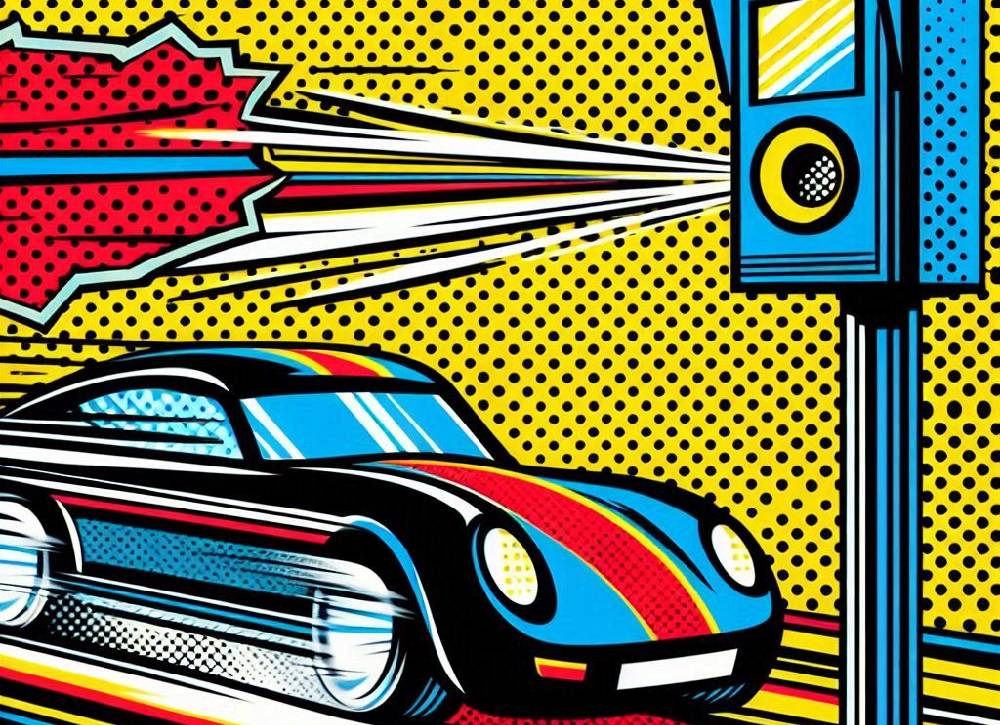
Speed cameras typically operate using radar, LIDAR, or road sensors embedded in the tarmac.

In addition, some systems rely on white lines painted across the road to calculate your speed based on distance over time.

Meanwhile, others monitor your average speed across several miles, rather than a single snapshot.

Even worse?

Some of them operate in complete silence — with no visible flash.

You might never know you were caught.

What do these systems record?

  • Your exact speed
  • Time and location of the offence
  • Your number plate
  • The road’s speed limit
  • In many cases, a crystal-clear image of you behind the wheel

Think about what that means.

You’re not just getting clocked —

You’re being documented.

And that data doesn’t disappear.

It could show up in insurance databases later.

Modern cameras don’t miss much.

But here’s something drivers do miss:

They’re not just on motorways or A-roads anymore.

Average speed cameras are showing up on city roads, 20mph zones, and even school streets.

One slip-up in these zones can have serious consequences.

Speeding and Your Car Insurance – The Hidden Cost

It’s not just about the fine.

It’s about what happens after the fine.

Because once you get points on your licence, things get expensive — fast.

Insurers treat speeding convictions as a red flag.

That means:

  • Higher premiums
  • Fewer options
  • Stripped no-claims bonuses
  • And in some cases, denied cover altogether

If you’re shopping for cheap car insurance, one offence can ruin your chances.

Worse still?

Your quote may stay inflated for 3 to 5 years after the incident.

And multiple offences?

Expect insurers to categorise you as high-risk — even if you’ve never made a claim.

Don’t forget:

Some insurers will void your policy if you fail to declare your speeding conviction when renewing.

That’s not just expensive.

It’s potentially illegal.

If you’re relying on cheap car insurance UK, your clean driving record is everything.

Why risk that over a few extra miles per hour?

Speed Awareness Courses: Will You Be Offered One?

Here’s a common question:

“Can I just take a speed awareness course and avoid points?”

The answer?

Sometimes.

But it depends on how fast you were going, and whether you’ve done a course recently.

The threshold is usually 10% + 9 mph over the limit.

For example:

  • In a 30mph zone → up to 42mph
  • In a 70mph zone → up to 86mph

Anything over that?

You’re out of luck.

And if you’ve attended a course in the past three years, you won’t be offered another.

Courses are offered at police discretion, not by right.

So if you don’t respond to the notice promptly, you could lose the option entirely.

Want to stay informed?

Check out our tips for young drivers to see how early habits can shape your long-term costs.

5 Myths About Speed Cameras You Probably Still Believe

Although speed cameras are everywhere, many drivers still cling to old beliefs.

Because of that, they unknowingly risk fines, points, and insurance hikes.

So, let’s uncover the truth — one myth at a time.

1. “Speed vans must always be visible”

Not true.

While some vans remain in plain sight to deter drivers, visibility isn’t required by law.

In fact, officers could legally hide them.

So, assuming you’re safe because you didn’t spot one?

That’s a mistake.

Instead, it’s safer to assume they could be anywhere.

2. “Flashing headlights to warn other drivers is fine”

Not exactly.

Although it seems harmless, this can technically break the law.

Because under Section 89 of the Police Act 1997, warning other motorists may count as obstructing a constable.

Even though it’s difficult to prove, why risk it?

3. “Speed cameras don’t work in bad weather or darkness”

Wrong again.

Modern cameras use infrared technology, so they work in rain, fog, and even complete darkness.

Therefore, you can’t rely on poor weather conditions to save you from detection.

Speeding in bad weather is more dangerous — not less likely to get caught.

4. “Only fixed cameras matter”

That’s an outdated belief.

Besides fixed yellow boxes, you also need to watch for:

  • Mobile enforcement vans
  • Average speed cameras
  • Rear-facing digital units

Because of these, enforcement now extends far beyond traditional setups.

Here’s the truth:

That margin is guidance — not a legal right.

Although some forces use discretion based on the 10% + 2 rule, others enforce the limit strictly.

So, if you’re even 1mph over, you’re technically breaking the law.

Therefore, the only safe speed is within the limit.

What Happens If You’re Caught?

Now let’s look at the consequences.

Although the minimum penalty is usually £100 and 3 points, that’s rarely the end of it.

Because the real damage often comes later.

First of all, you may end up in court if your speed was excessive.

Additionally, you could lose your licence — either temporarily or permanently.

Therefore, what seems like a minor slip could lead to serious legal trouble.

More importantly, your car insurance will suffer.

As soon as the offence hits your record, insurers flag you as higher risk.

That means:

  • Premiums increase
  • Fewer providers offer quotes
  • No-claims bonuses shrink or disappear

Because of these risks, staying within the limit helps keep your insurance costs low.

So, what if you forget to declare a conviction?

That’s even worse.

If your insurer finds out later, they could cancel your policy or refuse to pay out on claims.

As a result, you may end up uninsured without even knowing it.

Tips on how penalty points impact your insurance.

Why Playing The Odds Isn’t Worth It

Now ask yourself this:

Is saving 30 seconds really worth the risk?

Because with smart speed cameras now rolling out nationwide, enforcement has become faster, smarter, and harder to avoid.

These systems:

  • Don’t need a flash
  • Work in all weather conditions
  • Monitor average speed over long distances

Therefore, you can’t outsmart them.

Even if you believe you’re a good driver, one mistake can change everything.

Not only could it cost you in fines, but it could also raise your insurance premiums by hundreds of pounds.

So, don’t gamble on enforcement zones or myths.

Instead, focus on driving safely every time you get behind the wheel.

Sticking to the limit won’t just protect your record.

It also protects your ability to qualify for cheap car insurance UK deals when it matters most.

Conclusion

So what triggers speed cameras, and should we be worried?

Let’s be honest.

Although many people believe speed cameras offer leeway, that belief doesn’t hold up under scrutiny.

As soon as you exceed the speed limit — even slightly — you’re at risk of enforcement.

Because of this, relying on myths like “10% + 2” could cost you far more than you expect.

So, what should you do instead?

Drive within the limits.

Stay aware of how cameras operate.

And make sure your driving habits don’t sabotage your insurance options.

If you’re serious about reducing costs, now is the time to explore our deals on very cheap car insurance.

Because while speeding may feel minor in the moment, the financial impact can last for years.


Navigating New Roads: Key 2025 Changes for Drivers Over 70

Drivers over the age of 70 face a landscape of changes.

This could significantly impact their driving freedoms and responsibilities.

From potential alterations in licence renewal processes to adjustments in vehicle taxation.

Staying ahead of these changes is not just about compliance.

It’s about ensuring continued independence and safety on the roads.

But here’s the kicker:

Here’s what you need to know:

Licence Renewal Changes For Drivers Over 70

Right now, drivers who turn 70 must renew their driving licence every three years without a test.

But that could soon change.

Here’s why:

The Department of Transport is considering proposals that would increase the scrutiny involved in these renewals.

Furthermore, this might include medical checks or even driving assessments.

Consequently, aiming to ensure that as drivers age, they remain capable of driving safely.

Drivers Over 70 May Face Driving Assessments

There’s growing pressure to introduce more regular and thorough driving assessments for older motorists.

Did you know?

Statistics indicate that older drivers are less likely to be involved in speed-related accidents.

However, their involvement in crashes due to poor observation is notably higher—38% greater than that of younger drivers.

Moreover, the Older Drivers Forum has been advocating for regular reviews.

Additionally, these reviews could help prevent these types of accidents.

This could lead to a safer driving environment for everyone.

Car Tax Changes

April 2025 is set to bring a sharp increase in Vehicle Excise Duty (VED) for petrol and diesel cars.

This will affect older drivers significantly.

Wait until you hear this:

The first-year fees for new cars will see the most substantial hikes.

Particularly punishing those driving higher-emission vehicles.

Therefore, some drivers face an increase of up to £2,745.

This change could force older individuals to reconsider the sustainability of owning a car.

Especially if they are on a fixed income.

Health Assessments

The proposal for mandatory eyesight and cognitive tests is gaining traction.

This reflects growing concerns about the abilities of older drivers to stay safe on the road.

Here’s the deal:

Experts highlight that approximately 10% of drivers over 70 suffer from poor vision.

This statistic underscores the urgency of implementing these tests.

Additionally, the initiative aims to detect deterioration in cognitive abilities and eyesight early.

Early detection can prevent serious consequences.

Thus, reducing impairments not only enhances individual safety but also road safety for all.

Ultimately, regular testing could become a routine part of the licence renewal process.

This change could revolutionise our approach to driver competence in later life.

Insurance Adjustments

Demographic trends indicate an increase in the population of older drivers.

Consequently, the insurance industry is reevaluating risk assessments associated with this group.

With the potential for higher rates due to perceived increased risks, many seniors could face daunting premium hikes.

But wait, there’s more:

A petition is challenging these practices.

It highlights the financial burdens unfairly placed on older drivers.

Moreover, the petition argues for fair treatment in insurance offerings.

Many drivers over 80 are unfairly refused affordable insurance options.

As a result, these older drivers could face significant financial strain.

Regulations must adapt to accommodate the growing number of senior drivers.

Furthermore, insurers need to adjust policies.

They should reflect actual risks rather than age-based assumptions.

Conclusion

As the driving population ages, understanding and preparing for these shifts is imperative.

Therefore, staying informed about developments is crucial for older drivers and their families.

They must actively engage with processes affecting their driving privileges.

Moreover, proactive understanding and adaptation to new regulations can ensure continued independence and safety on the roads.

Additionally, Age UK and similar organisations provide support and advocacy.

They offer resources to help navigate these changes.

Finally, for more insights and detailed advice, visit our guides at Cheap Car Insurance.

Remember, staying informed and engaged is key.

It ensures compliance, safety, and independence as we age.

Speeding Offences In England And Wales Hit All-Time High

Introduction

Speeding offences in England and Wales have skyrocketed, reaching record-breaking levels in 2023.

A staggering 2,324,542 speed-limit breaches were recorded last year alone, marking a 10% rise compared to the year prior.

But what does this mean for drivers? And how does it impact your car insurance premiums?

Let’s explore.

  • Record-breaking statistics: Speeding offences hit an all-time high in 2023.
  • Regional and seasonal trends: Offences peak in summer and vary by location.
  • Insurance impact: Speeding can drastically increase premiums.
  • Enforcement measures: Cameras and on-road policing play critical roles.
  • Driving responsibly: Learn how to protect your wallet and your licence.

Record-Breaking Speeding Offences 

In 2023, police forces across England and Wales documented an alarming 2,324,542 speeding offences.

This figure represents a 10% increase compared to 2022 and is the highest since comparable records began in 2011.

Interestingly, while the number of cars on the road has grown steadily, the rise in speeding offences has outpaced this growth.

What’s causing this surge?

Experts point to several factors, including increased use of speed enforcement technology and lower tolerance for speeding violations.

Speeding peaks seasonally, too. June 2023 saw a shocking 223,029 recorded offences—far more than December’s 159,179 breaches.

Drivers, take note: understanding these trends is key to avoiding penalties.

Related Read: Mandatory Speed Limiters

Regional Variations In Speeding

Did you know London’s data isn’t included in the national statistics?

The Metropolitan Police uses a separate system, but its figures tell a worrying story.

In 2023, the Met recorded 390,403 instances of speeding—up 3% from the year before and nearly triple pre-pandemic levels.

One key reason?

The reduction of speed limits across the capital has, therefore, caught many drivers off guard.

As a result, this has ultimately led to a noticeable spike in violations.

Elsewhere, regional differences reflect varying enforcement levels.

While rural areas may rely more on speed cameras, urban zones benefit from a stronger police presence.

Explore: Driving in Europe – Insurance Warning

The Impact On Car Insurance

Speeding doesn’t just affect your licence—it impacts your wallet, too.

Insurance providers view speeding violations as a major red flag.

Drivers with speeding records often face higher premiums, as they are considered higher-risk clients.

And it’s not just one or two speeding tickets that make a difference.

A consistent pattern of violations can lead to astronomical costs, even with otherwise clean records.

In 2023, speeding accounted for a staggering 86% of motoring offences that resulted in fixed penalty notices.

Among these:

  • 51% ended with driver retraining (e.g., speed awareness courses).
  • 36% led to fines.
  • 13% resulted in court action.

To avoid inflated premiums, it’s crucial to stay within legal limits.

Learn More: What Will Invalidate Your Car Insurance?

Enforcement Measures And Road Safety Technology

Speed cameras and advanced technology are reshaping how speeding is detected and penalised.

Fixed speed cameras, mobile units, and average speed checks are more prevalent than ever, leaving little room for error on the roads.

The AA’s head of roads policy, Jack Cousens, highlighted the importance of these tools in improving road safety.

But there’s a catch.

While cameras are effective, they lack the deterrent effect of visible police patrols.

Drivers tend to modify their behaviour when they see police cars on the road—a form of enforcement technology can’t replicate.

To strike a balance, experts recommend increasing on-road policing alongside the continued use of automated systems.

Ultimately, this dual approach could reduce speeding offences while ensuring safer roads for everyone.

Must-Read: The Dash Cam Mistake That Could Cost You

Why do speeding offences spike in the summer?

Longer daylight hours, better road conditions, and increased holiday travel often tempt drivers to push the speed limits.

June 2023, for instance, recorded the highest number of speeding offences, highlighting the seasonal trend.

On the other hand, winter months like December see fewer offences, likely due to adverse weather conditions making drivers more cautious.

But behavioural factors also come into play.

Many drivers underestimate how easily small distractions or overconfidence can lead to violations.

Adopting defensive driving habits, particularly during peak seasons, is a practical way to avoid trouble.

Speeding is not just about penalties—it’s about safety, for you and everyone else on the road.

Helpful Guide: Young Drivers – Risks and Ways to Save on Costs

Conclusion

The record-breaking speeding offences in England and Wales last year are a stark reminder of the importance of responsible driving.

Beyond the penalties, these violations significantly impact car insurance costs, often leading to higher premiums or stricter conditions.

While enforcement measures like speed cameras and on-road policing are vital, the responsibility ultimately falls on drivers to obey speed limits and prioritise safety.

Want to explore more ways to save on car insurance? Check out these helpful guides:


UK Parking Law Shake-Up: How New Rules Could Impact Drivers

Introduction

Parking law shake-up.

Parking laws in the UK are about to face major changes.

For years, motorists and pedestrians have clashed over pavement parking.

But now, new rules could bring a solution—or spark even more debate.

Nearly half of drivers want pavement parking bans expanded beyond London and Edinburgh.

Yet, many are concerned these changes could worsen the current parking shortage.

So, what’s really going on?

Here’s a quick breakdown of what you’ll discover:

  • Why these parking law changes matter.
  • What UK drivers really think.
  • How this could affect your car insurance premiums.

Why The Parking Law Changes Are Significant

Pavement parking has been a growing problem for years.

For pedestrians, however, it creates numerous significant barriers that are hard to ignore.

Imagine trying to navigate a blocked pathway with a pram—or a wheelchair.

It’s not just inconvenient.

It’s dangerous.

Cities like London and Edinburgh have already implemented pavement parking bans.

The results?

Improved pedestrian safety and better urban mobility.

Still, rolling out similar laws nationwide won’t be simple.

The balance between drivers’ needs and pedestrian safety is a tricky one.

Public Opinion On Proposed Parking Changes

So, what exactly do drivers think about these proposed changes?

A recent survey by Venson Automotive Solutions sheds light on the debate.

Here are the key takeaways:

  • 46% of motorists support expanding pavement parking bans nationwide.
  • 18% oppose the idea, citing limited parking spaces as their main concern.

The divide is clear.

Supporters argue that safety, especially for vulnerable pedestrians, is a top priority.

But opponents worry about the practical implications.

For many, parking in cities is already a nightmare.

Adding more restrictions could make it worse.

And that’s not all.

Some fear stricter parking laws could increase the cost of car insurance.

Read more about how to navigate car insurance in this helpful guide.

Political And Governmental Actions

This isn’t just a public debate.

It’s a political one too.

The Labour Party has pledged to revisit a 2020 Conservative consultation on pavement parking.

What does this mean?

If implemented, it could lead to nationwide reforms—finally addressing years of inaction.

Moreover, advocacy groups such as the Local Government Association (LGA) have been increasingly vocal in their support for change.

They call pavement parking “the scourge of urban spaces.”

And they’re pushing hard for change.

But will it be enough?

The Government is weighing options, including giving local councils more enforcement power.

If passed, councils could decide where and how to impose bans.

Still, the rollout may vary across regions, leaving many wondering if it’ll really work.

The Challenges Of Implementing New Parking Rules

Implementing these new laws, however, is unlikely to be straightforward and will undoubtedly come with its own set of challenges.

Here’s why.

First, enforcement is a major hurdle.

Local councils need resources to monitor compliance.

This means budgets—and manpower—will be stretched thin.

Second, the Government is proposing a 20-minute exemption for delivery vehicles.

While this might help businesses, it raises questions.

Could it create loopholes that undermine pedestrian safety?

Balancing the needs of everyone—drivers, businesses, and pedestrians—requires careful thought.

The stakes are high.

And there’s no one-size-fits-all solution.

Want to save money on your car insurance while navigating these changes?

Check out our tips for reducing costs.

Impact On Car Insurance Rates

So, how exactly could these parking law changes impact your car insurance?

This is an important and highly relevant question.

As a result of safer roads and fewer pedestrian accidents, there could be a noticeable reduction in insurance claims.

Consequently, this could translate into significant potential savings for drivers over time

But there’s a flip side.

In areas where parking becomes more restricted, drivers might face higher premiums.

Why?

Because limited parking options could increase the risk of fines, disputes, or even accidents.

Additionally, drivers may need to update their policies to reflect where they park.

For example, parking on a driveway or in a secure area often lowers premiums.

To explore how these factors affect costs, check out our guide.

Calls for A Measured Approach

So, what’s the solution?

Experts, therefore, are strongly urging a cautious approach to these proposed changes.

Simon Staton, from Venson Automotive Solutions, stresses the need for balance.

He points out that parking laws must protect pedestrians without overwhelming drivers or businesses.

This means gradual changes, not sweeping reforms.

For instance, local councils could be given more flexibility to adapt rules based on community needs.

Such an approach ensures that urban areas become safer without creating unnecessary challenges for motorists.

Moreover, involving the public in consultations can help refine these proposals.

After all, better solutions come from understanding everyone’s needs.

If you’re curious about how lifestyle choices impact car insurance, visit our guide to lifestyle factors and car insurance.

Conclusion

Parking law changes are a widely debated issue, and this is understandable due to their significant impact on communities.

Their primary goal, therefore, is to enhance road safety while simultaneously making pathways more accessible for pedestrians of all kinds.

But these changes also come with challenges, from enforcement to driver concerns about parking shortages.

The key lies in finding a balance.

Therefore, gradual and well-planned changes can address pedestrian safety effectively.

Furthermore, such changes can be implemented without unfairly penalising drivers.

And the potential benefits, including better urban living and possible car insurance savings, are worth exploring.

Want to stay informed about car insurance and related topics?

Check out these helpful resources:


Police Crackdown: Cassie’s Law Enforces Vision Tests On UK Roads

Introduction

Police checks….

As the nights draw in swiftly with the seasonal clock change, UK roads become perilous.

Consequently, compromised visibility increases dangers.

In response, police forces across the nation are enhancing vigilance.

Why does this matter?

Drivers must meet necessary visual standards for safety.

Therefore, this initiative is crucial.

What’s at stake?

Failing these checks could lead to severe consequences.

Disqualification is a possible outcome.

Here’s what every driver needs to know:

Heightened Police Surveillance On The Roads

Police intensify efforts through targeted eyesight checks.

Subsequently, a two-week initiative supports national road safety.

Think about this:

The Critical Role Of Vision In Driving Safety

Indeed, good vision is essential for driving.

Moreover, the law is clear: reading a number plate from 20 meters is mandatory.

Additionally, winter’s darkness increases driving risks.

Furthermore, safety depends on clear legality.

Here’s why it matters:

The Legacy Of Cassie’s Law: Police Can Revoke Licences

Cassie’s Law follows a tragic precedent.

Specifically, Cassie McCord’s death led to new legislation.

Moreover, police can now revoke licenses immediately after failed vision tests.

Don’t overlook:

Understanding Cassie’s Law

Cassie’s Law, enacted in 2013, was born from a tragic necessity.

It’s named after Cassie McCord, a 16-year-old from Colchester, Essex, whose life was cut short in a preventable road accident.

The driver, an 87-year-old man, had failed a police eyesight test just days before the incident but had not surrendered his license.

Driven by the loss of her daughter, Jackie McCord led a formidable campaign pushing for a change in the law.

She sought to empower the police with the authority to prevent similar tragedies.

Consequently, Cassie’s Law allows the police to act decisively.

Now, what does this mean for you?

If a driver fails an immediate roadside eye test, police can fast-track this information to the Driver and Vehicle Licensing Agency (DVLA).

The DVLA can then urgently revoke the driver’s license if they pose a significant risk to road safety.

This legislation underscores the vital importance of vision in ensuring driving safety.

By giving police the power to remove potentially dangerous drivers from the roads swiftly, Cassie’s Law helps protect lives.

Interested in more?

Learn more about how UK driving laws are keeping you safe on the road.

Understanding The Stakes: Police Enforcement And Penalties

Inspector Jason Baxter emphasises, “Good vision is a prerequisite of safe driving.”

Failing eyesight checks leads to severe penalties.

Possible outcomes include fines, penalty points, or disqualification.

Personal Stories From The Front Lines

Initially, a driver shares their eye-opening experience.

“I didn’t realise my vision had deteriorated so much,” they said.

Therefore, these stories highlight the need for vigilance and regular eye checks.

Advice On Maintaining Good Eyesight

Most importantly, maintaining sharp vision is crucial for safe driving.

Consequently, regular eye examinations are essential.

Moreover, ensure your vehicle’s headlights and windshield are always clear.

Also, consider the health of your eyes as a vital part of your driving fitness.

Interestingly, drivers are legally obligated to report certain eye conditions to the DVLA.

Furthermore, there are different standards of vision required for various types of drivers, such as lorry and bus operators.

Therefore, staying informed about these regulations is crucial for every driver.

Additionally, failing to meet these standards can result in significant legal consequences.

Impact On Different Road Users

As the nights grow longer, it becomes even more essential to ensure good eyesight.

Moreover, vulnerable road users like cyclists, motorcyclists, and horse riders become harder to spot.

Thus, good eyesight becomes crucial not only for your safety but for the safety of others.

Furthermore, ensuring you can see well can dramatically reduce the risk of accidents.

Conclusion

In conclusion, as the UK heads into the darker months, the importance of maintaining good eyesight cannot be overstated.

Moreover, with police increasing specific checks, ensuring your vision meets the required standards is more critical than ever.

Therefore, take the time to check your vision regularly and maintain your vehicle to ensure maximum visibility.

Lastly, explore other related articles on maintaining safe driving practices and navigating car insurance complexities in the UK.

Driving In Europe: British Drivers Issued Urgent Car Insurance Warning

Introduction

Thinking of driving in Europe?

As the summer heats up, so does the anticipation for vacations and international sports events.

If you’re a UK motorist planning to drive across Europe this summer, it’s crucial to ensure that your car insurance is up to snuff.

This year, millions of British drivers are planning to head to destinations like the European Championships in Germany and the Olympic Games in France.

But before you rev up your engines, there’s essential research to be done.

  • The significance of checking car insurance coverage before travelling
  • Understanding specific requirements for driving in Europe
  • The advantages of having your vehicle abroad
  • Key preparations for a hassle-free road trip
  • How to secure the right insurance for your journey

Driving In Europe: The Surge In Cross-Channel Road Trips

With major sporting events on the horizon, an unprecedented number of British drivers are preparing to journey through Europe.

But there’s more.

Whether you’re planning to catch the action live at the European Championships or bask in the Olympic spirit, the thrill begins with a safe and well-planned road trip.

The allure of driving over the English Channel to France is stronger than ever.

This year, nearly half of all UK motorists travelling to Europe will be soaking up the French sun.

With popular spots like Paris and Bordeaux on their itineraries, it’s not just about the destination but also the journey. Explore more about driving in popular European destinations.

Road Travel: A Top Choice For UK Motorists

According to recent data, a whopping 68% of holiday-goers from the UK will take to the roads to reach their vacation spots this summer.

This trend underscores the importance of having robust car insurance that adapts to cross-border travel needs.

Notifying Insurers: A Crucial Step Before Driving In Europe

While not always mandatory, informing your insurer about your travel plans can save you a lot of headaches.

Surprisingly, only 33% of travellers have notified their insurers this year.

This oversight can lead to complications if you need to make a claim while abroad. Learn more about notifying your insurer.

The Benefits Of Driving Your Own Car In Europe

Taking your own car on a European adventure offers unparalleled freedom and convenience.

You can pack without limits—just make sure it doesn’t affect your driving—and you can even share the driving duties if you insure your co-traveller.

The comfort of having your vehicle means you can explore at your own pace and according to your own schedule.

Ensuring Adequate Coverage For European Travels

Before you set off on your European adventure, make sure to check that your car insurance policy can handle the journey.

Since not all policies automatically cover trips outside the UK, you must confirm that your insurance extends to continental travel.

Whether you’re planning a short stay in France or an extensive tour across several European countries, the right coverage will give you peace of mind.

For more detailed guidance, check your coverage options and the need for additional insurance here.

Essential Safety Items For European Road Trips

Travelling in Europe requires more than just a valid passport and a sense of adventure.

Local laws often dictate specific safety equipment that must be present in your vehicle.

From warning triangles and high-visibility jackets to headlamp converters and spare light bulbs, it’s crucial to comply with these regulations to avoid fines.

Also, carrying a first-aid kit and fire extinguisher could be lifesaving in the event of an accident.

Make sure you’re fully equipped.

Speaking With Your Insurance Provider: A Must-Do

A key step in your travel preparation should be a discussion with your car insurance provider.

This conversation can clarify the extent of your coverage, including what scenarios are covered and what additional policies you might need.

Particularly, if your trip involves multiple drivers or high-risk areas, understanding the limitations and exclusions of your policy is crucial.

For advice on what to discuss during this crucial conversation, visit here.

But wait, there’s more.

Conclusion

Setting off on a European road trip is an exhilarating prospect that comes with its set of challenges, particularly regarding car insurance.

Different country regulations and the need for appropriate coverage may seem daunting, but you can easily manage them with the right preparation.

Making sure you have adequate insurance and understand the required safety protocols can make your journey much safer and more enjoyable.

For further reading and to gain deeper insights into how you can optimise your car insurance for travel, explore our detailed blogs on strategies to save on car insurance and the benefits of comprehensive versus third-party insurance.

Remember, thorough research and preparation are your best tools for a safe and enjoyable road trip.

Never underestimate the importance of being well-informed about your insurance needs before hitting the road.

Car Insurance Quote

Step 1

Complete your quick and easy quote

Car Insurance

Step 2

Reveal your car insurance policies

Cheapest

Step 3

Pick your favourite and get instant cover