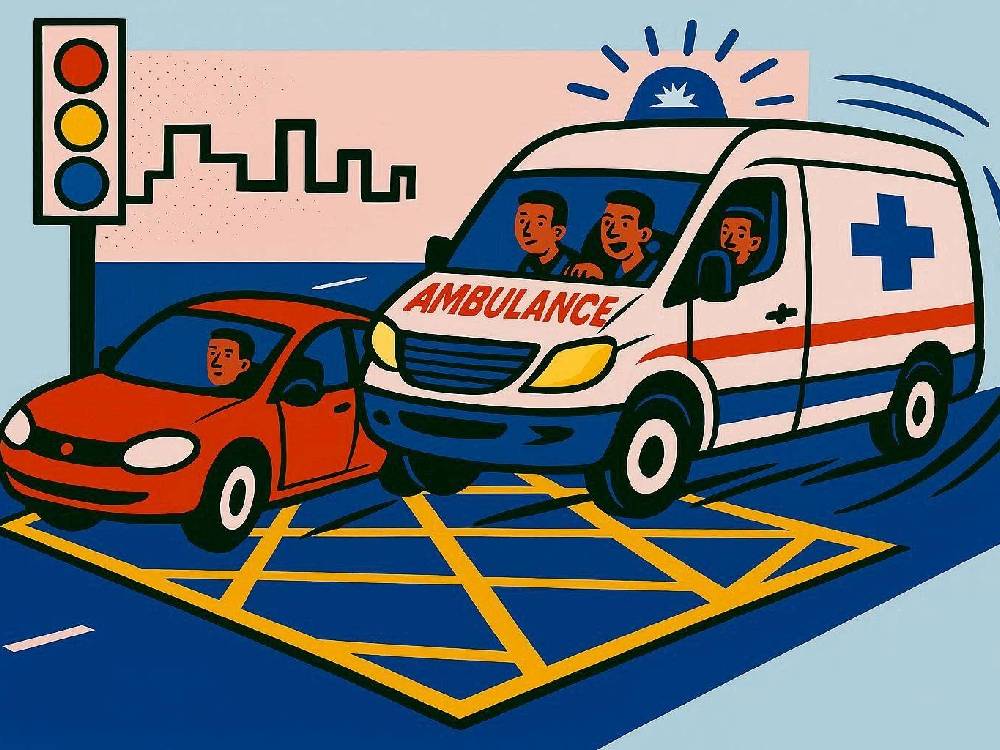
Car Insurance Crisis: Why Thousands Of UK Drivers Risk £300 Fines To Avoid Rising Costs

Introduction

Car Insurance Crisis…

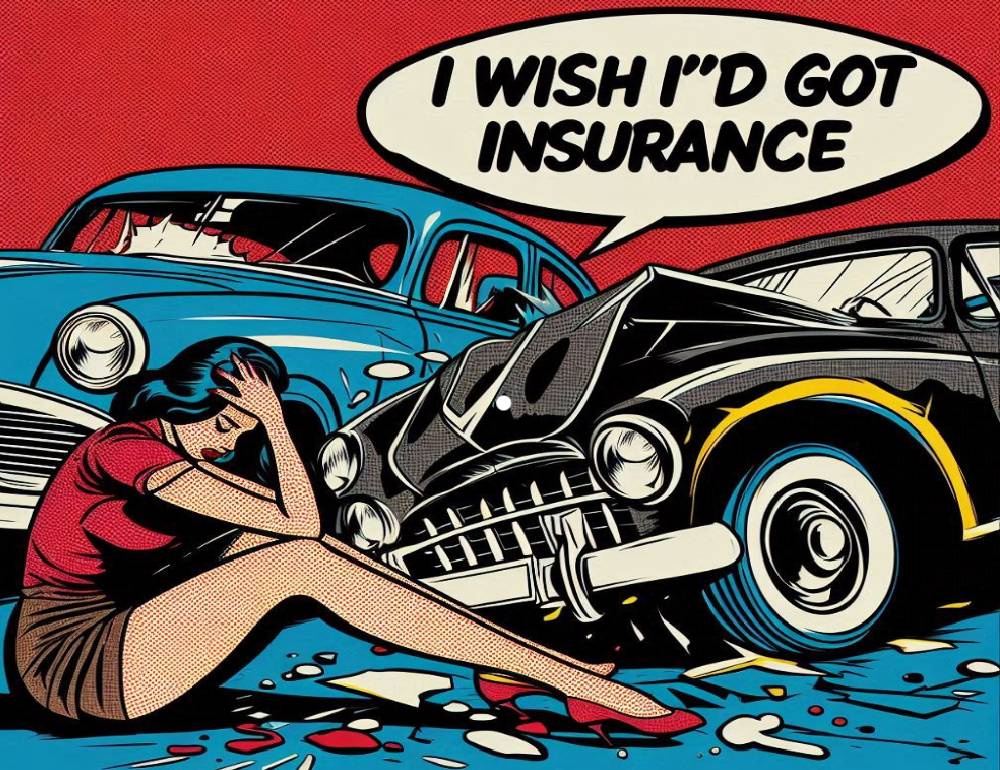
Car Insurance is no longer just expensive—it’s pushing drivers to breaking point.

And increasingly, some are making a dangerous choice.

They’re driving without it.

Here’s the thing.

This isn’t a small problem.

It’s growing fast.

And the consequences can be brutal.

But more importantly, there’s a smarter way to deal with rising premiums without risking everything.

So, what’s really going on—and how do you protect yourself without overpaying?

  • Why uninsured driving has surged across the UK
  • The real financial and legal risks drivers are facing
  • What’s driving people to skip Car Insurance altogether
  • The hidden dangers most drivers don’t see coming
  • How to find Cheap Car Insurance without breaking the law

Uninsured Driving Is Surging Across The UK: Car Insurance Crisis

Uninsured driving isn’t just increasing.

It’s exploding.

Over the past year, around 160,000 vehicles were seized by police.

That’s the highest figure in nearly two decades.

Let that sink in.

And it doesn’t stop there.

Estimates suggest around 300,000 vehicles are being driven without Car Insurance every single day in the UK.

That’s not rare.

That’s routine.

But here’s where it gets worrying.

Police forces are struggling to keep up.

Enforcement is increasing.

Yet the problem keeps growing.

Which raises a serious question.

Why are so many drivers willing to take that risk?

Car Insurance Crisis: The £1 Billion Problem Nobody Talks About

This isn’t just a legal issue.

It’s a financial one.

And a massive one at that.

Uninsured driving costs the UK economy around £1 billion every year.

Yes—billion.

That includes compensation for victims.

Emergency services response.

Healthcare costs.

Lost productivity.

And here’s the part most people miss.

You’re paying for it too.

Because those costs get baked into premiums.

Which means higher prices for everyone.

It’s a vicious cycle.

Higher costs lead to more uninsured drivers.

More uninsured drivers lead to even higher costs.

And around it goes.

Why Drivers Are Skipping Car Insurance

Now, let’s get real.

Most drivers don’t wake up and decide to break the law.

They feel pushed into it.

And the biggest trigger?

Cost.

Car Insurance premiums have surged.

For many drivers, especially younger ones, it’s becoming unaffordable.

So they gamble.

They think:

“I’ll risk it.”

But here’s the catch.

That risk is far bigger than they realise.

Still, the psychology makes sense.

When faced with paying hundreds—or even thousands—some drivers simply opt out.

Not because they want to.

Because they feel they have no choice.

Lack Of Awareness Is Making It Worse

Cost isn’t the only issue.

Awareness plays a role too.

Particularly in diverse communities across the UK.

Some drivers simply don’t fully understand the legal requirements.

Or the consequences.

And this matters more than you think.

Because ignorance doesn’t protect you.

Not from fines.

Or from penalty points.

Not from prosecution.

Which is why education is just as important as affordability.

The Dangerous Rise Of “Fronting”

When drivers can’t afford proper cover, they look for shortcuts.

And one of the most common?

Fronting.

Here’s how it works.

An older, more experienced driver insures a car in their name.

But the main driver is actually someone younger.

It sounds clever.

It isn’t.

Because it’s illegal.

And worse—it invalidates your insurance.

Meaning if you crash…

You’re not covered.

At all.

And suddenly, that “cheap” policy becomes incredibly expensive.

The Real Consequences Of Driving Without Insurance

Let’s cut through the noise.

Driving without Car Insurance isn’t a minor offence.

It’s serious.

Very serious.

If you’re caught, you face a £300 fine.

You get six penalty points on your licence.

And that’s just the start.

Because in more serious cases, it escalates quickly.

We’re talking court appearances.

Unlimited fines.

Driving bans.

Even having your vehicle seized—or destroyed.

And this is crucial.

That record follows you.

Which means future insurance becomes even more expensive.

If you can get it at all.

Car Insurance Crisis: It Gets Worse Than You Think

Uninsured drivers aren’t just breaking one law.

They’re often breaking others.

Police regularly uncover:

  • Bald tyres
  • Illegal window tints
  • Faulty seatbelts
  • Driving while banned
  • Drug or drink driving

So it’s rarely just about insurance.

It’s part of a bigger pattern.

And that increases risk for everyone on the road.

But here’s the real impact.

Someone is affected by an uninsured or hit-and-run driver every 20 minutes in the UK.

Every 20 minutes.

That’s not a statistic.

That’s a reality.

So Where Does That Leave You?

You’ve got two options.

Risk everything.

Or get smart about your cover.

And the good news?

You don’t have to overpay.

Not if you know where to look.

For example, you can explore real savings 👉 here

Or dig into tailored options here 👉 car-insurance-options

And if your goal is simple—pay less—this guide helps 👉 5-ways-to-save-money

Because ultimately…

Cheap Car Insurance does exist.

You just need to approach it the right way.

How To Find Cheap Car Insurance Without Breaking The Law

So, what should you do instead.

Because clearly, ignoring Car Insurance isn’t the answer.

However, overpaying isn’t either.

Here’s the good news.

There is a middle ground.

And more importantly, it works.

First, you need to understand this.

Insurance pricing isn’t fixed.

Instead, it shifts based on risk signals.

Therefore, small changes can create big savings.

Now, let’s get specific.

Start by exploring tailored policies 👉 very-cheap-car-insurance

Because, in many cases, generic policies cost more.

Whereas targeted cover reduces waste.

And that matters.

A lot.

Small Changes That Slash Your Premium

Next, focus on what you can control.

Because, although prices are rising, your strategy still matters.

For example, your car choice plays a huge role.

In fact, some cars cost far less to insure.

So, before renewing, check this 👉 the-10-cheapest-cars-to-insure-in-2023

As a result, you could cut hundreds instantly.

Now, let’s go further.

Driving behaviour also influences your premium.

Therefore, telematics can work in your favour.

Take a look 👉 cheapcarinsurance.co.uk/telematics-car-insurance/

Because, if you drive well, you should pay less.

And increasingly, insurers reward that.

But that’s not all.

Your policy type matters too.

So, instead of guessing, compare properly 👉 comprehensive-vs-third-party/

Because sometimes, surprisingly, comprehensive cover is cheaper.

Yes, cheaper.

Why Cheap Insurance UK Options Matter More Than Ever

Right now, the stakes are higher.

Because, as prices rise, mistakes become costly.

However, opportunities are still there.

In fact, more than ever before.

So, if you act early, you gain control.

Whereas if you delay, you lose leverage.

And this is crucial.

Timing changes everything.

For instance, switching at the right moment saves money 👉 switch-car-insurance/

Because last-minute renewals increase costs.

Almost always.

Therefore, planning ahead is essential.

Not optional.

What Most Drivers Still Get Wrong

Even now, many drivers hesitate.

They wait.

They delay.

However, that delay creates pressure.

And under pressure, people make poor decisions.

For example, accepting inflated quotes.

Or worse, skipping insurance entirely.

Now, let’s be honest.

That’s where things spiral.

Because one bad decision leads to another.

And suddenly, the risk multiplies.

Fast.

Conclusion

So, where does this leave you.

On one hand, Car Insurance is getting more expensive.

However, on the other, going without it is far worse.

Because the consequences are severe.

Financially.

Legally.

And personally.

Therefore, the real solution is simple.

Get smarter.

Act earlier.

Choose better.

Because Cheap Car Insurance still exists.

But only if you approach it strategically.

And ultimately, that decision is yours.


If you want to stay ahead, these guides will help you reduce costs and avoid common mistakes.

For example, learn how young drivers can cut premiums 👉 young-drivers-tips/

Additionally, understand how your credit score affects pricing 👉 your-credit-score/

Finally, explore short-term cover options 👉 temporary-car-insurance-is-it-legal/

Because, in the end, better knowledge leads to cheaper Car Insurance.

Car Insurance Alert: DVLA Cancels 33,000 Licences — What It Means For Your Cover

Introduction

DVLA rules and car insurance UK.

Something just changed — and most drivers haven’t caught up yet.

The Driver and Vehicle Licensing Agency (DVLA) has cancelled nearly 33,000 driving licences, and yet, many people are still on the road assuming everything is fine.

But here’s the problem.

If your licence is invalid, your Car Insurance might be too.

And suddenly, what looked like Cheap Car Insurance could cost you far more than you ever expected.

So, what does this really mean for you?

DVLA Rules And Car Insurance Crackdown — Why 33,000 Licences Were Cancelled

It didn’t happen overnight.

But now, it’s happening fast.

The Driver and Vehicle Licensing Agency stepped in after identifying drivers who may pose a risk on the road.

And the numbers are hard to ignore.

Almost 33,000 licences were either revoked or refused renewal.

That’s not a small adjustment.

That’s a nationwide shift.

Here’s the thing.

This isn’t about paperwork.

It’s about safety.

The government has tightened scrutiny, particularly around medical conditions that can impair driving.

And more specifically, eyesight.

Which raises a bigger question.

How many drivers are still behind the wheel… without realising they shouldn’t be?

The Hidden Trigger — Eyesight And Medical Conditions

Most people assume they’d know if their eyesight wasn’t good enough to drive.

But that’s not always true.

Vision often declines slowly.

Gradually.

Almost unnoticed.

Until it matters.

UK law requires drivers to meet minimum eyesight standards.

You must be able to read a number plate from 20 metres away.

Simple, right?

Not quite.

Conditions like cataracts, glaucoma, or macular degeneration can creep in silently.

And suddenly, you’re below the legal threshold.

Without knowing it.

Now here’s where it gets serious.

If you fail to declare a medical condition to the DVLA, you’re breaking the law.

And worse…

You could invalidate your insurance.

Want to see how medical issues affect your cover?

Take a look at what medical conditions affect your car insurance.

Because this isn’t rare.

It’s happening more than people think.

Why This Matters More Than You Think: DVLA Rules And Car Insurance

At first glance, this might sound like an issue for “other people.”

Older drivers.

People with known conditions.

But that assumption is risky.

Because many drivers fall into a grey area.

No diagnosis.

No warning signs.

Just subtle changes.

And that’s where problems begin.

Imagine this.

You’re driving as normal.

You haven’t updated anything with the DVLA.

You haven’t checked your eyesight recently.

Then something happens.

An accident.

A claim.

A routine check.

And suddenly…

Your licence isn’t valid.

Which means your Car Insurance isn’t either.

Let that sink in.

This isn’t just about legality.

It’s about financial exposure.

Because once your policy is invalid…

Insurers don’t pay out.

How Licence Issues Can Invalidate Your Car Insurance

Most drivers focus on price.

Finding the cheapest car insurance.

Saving money.

Comparing deals.

And that makes sense.

But here’s what often gets missed.

Insurance isn’t just about cost.

It’s about conditions.

And one of the biggest conditions?

Holding a valid driving licence.

If your licence is revoked, suspended, or invalid…

Your policy may no longer apply.

Even if you’ve paid in full.

Even if you thought everything was fine.

Here’s the reality.

Insurance companies assess risk based on legality.

If you’re not legally allowed to drive…

They won’t cover you.

Simple as that.

Want to understand your policy options better?

Start here: car insurance options

Because not all policies offer the same protection.

And some leave more gaps than you’d expect.

DVLA Rules And Car Insurance: Real Risk — Claims Refused Instantly

Now let’s make this real.

You’re involved in an accident.

Nothing major.

But enough to file a claim.

You contact your insurer.

You expect support.

Instead…

They investigate.

Check your licence status.

They review your medical disclosures.

And then comes the shock.

Your claim is denied.

Not reduced.

Not delayed.

Denied.

Because your licence wasn’t valid at the time.

And suddenly, you’re responsible for everything.

Repair costs.

Third-party damages.

Legal consequences.

All of it.

This is where insurance can become incredibly expensive.

Because the cheapest policy in the world means nothing…

If it doesn’t pay out when you need it most.

And that’s the part most drivers overlook.

Who Is Most At Risk Right Now?

Not everyone faces the same level of risk.

But some drivers sit closer to the edge than they realise.

And that’s where this gets uncomfortable.

Because the people most affected often feel the most confident behind the wheel.

Let’s break it down.

  • Older drivers with gradual eyesight decline
  • Drivers who haven’t had an eye test in years
  • People managing conditions without reporting them
  • Anyone assuming “it won’t apply to me”

Here’s the catch.

The DVLA isn’t guessing.

They’re acting on data.

Which means if you fall into a higher-risk category…

You’re already on their radar.

And if you’re over 50, this matters even more.

Explore your options here: over 50 car insurance

Because staying insured isn’t just about price.

It’s about staying eligible.

The Cost Impact — Why This Could Make Insurance More Expensive

At first, this looks like a safety issue.

But look closer.

It’s also a pricing shift.

Because when risk increases…

So do premiums.

And right now, insurers are paying attention.

More revoked licences mean more uncertainty.

More uncertainty means tighter underwriting.

And that means higher costs for everyone else.

Especially those seen as “borderline risk.”

Here’s where it gets frustrating.

You could be doing everything right.

Driving safely.

Paying on time.

And still see your premium rise.

Why?

Because the overall risk pool just changed.

Want to understand how insurers calculate this?

Read: how do insurance companies calculate insurance

Because once you see how it works…

You realise how quickly things can shift.

And why finding Cheap Insurance UK is getting harder.

How To Protect Yourself (And Still Find Cheap Car Insurance)

So what can you actually do?

Not guess.

Not assume.

But act.

Start here.

One — get your eyesight tested regularly.

Two — report any relevant conditions to the DVLA immediately.

Three — review your policy details carefully.

Simple steps.

But powerful ones.

Here’s the thing.

Most problems don’t come from big mistakes.

They come from small oversights.

Things you meant to check.

But didn’t.

And suddenly…

You’re exposed.

Want a smarter way to stay protected and save money?

Take a look at 5 ways to save money on car insurance

Because the goal isn’t just to find the Cheapest car insurance.

It’s to find cover that actually works when you need it.

Conclusion

This isn’t just a headline.

It’s a warning.

The Driver and Vehicle Licensing Agency has made its position clear.

If you don’t meet the standard…

You don’t stay on the road.

And that decision doesn’t just affect your licence.

It affects your Car Insurance, your finances, and your future.

So don’t wait for a letter.

Don’t assume everything is fine.

Check your eyesight.

Review your status.

And make sure your cover actually protects you.

Because right now…

More drivers than ever are finding out the hard way.


If you want to stay ahead of rising costs and hidden risks, explore more insights on Cheap Car Insurance UK.

You might also find these helpful:

switching policies

telematics options

younger drivers

All designed to help you secure cheap car insurance without compromising your cover.

Speeding And Car Insurance Warning: New ‘No Flash’ Speed Cameras

Introduction

Speeding and Car Insurance.

You probably think you’ll notice when a speed camera catches you.

That moment.

That flash.

That instant awareness.

But now… that assumption is gone.

Because across parts of England, new speed cameras don’t flash at all.

And that changes everything.

Especially your Car Insurance.

Here’s the problem.

You could already have multiple offences… and not even know it yet.

Which means your next renewal for Cheap car insurance might hit harder than expected.

And it doesn’t stop there:

Penalties stack quietly.

Premiums rise quickly.

And insurers? They don’t miss a thing.

So what does this really mean for you?

And more importantly… how do you stay ahead of it?

Here’s what you need to know:

Let’s break this down:

New ‘No Flash’ Speed Cameras Are Changing The Rules

Speeding and Car Insurance –

The rules haven’t officially changed.

But in reality… they have.

Because enforcement just became invisible.

Across London, new radar-based speed cameras are being introduced under plans backed by the Labour Mayor, Sir Sadiq Khan.

Transport for London is working alongside the Metropolitan Police.

And together, they’re trialling something far more advanced.

These cameras don’t rely on flashes.

They don’t rely on road markings.

And crucially… they don’t rely on you noticing them.

Now, it gets interesting:

The rollout includes areas like Haringey, Hackney, Brent, Croydon, Ealing, Sutton, Havering,

Tower Hamlets, and Hammersmith and Fulham.

That’s not a small test.

That’s wide coverage.

And it signals something bigger.

A shift toward constant, silent enforcement.

Which means drivers relying on “spotting cameras” are already behind.

Speeding and Car Insurance: How This New Technology Actually Works

So how do these cameras catch you… without you knowing?

Here’s the catch:

They use 4D radar.

And pair it with high-resolution 4K colour imaging.

That combination changes the game completely.

Unlike traditional cameras, they don’t need painted lines on the road.

They don’t need sensors embedded in the ground.

And they definitely don’t need a visible flash.

Instead, they track movement continuously.

They monitor speed in real time.

And they capture clear, usable evidence instantly.

Which means fewer errors.

And far more successful prosecutions.

But here’s where it really matters:

Higher accuracy leads to more convictions.

More convictions lead to higher risk profiles.

And higher risk profiles lead to increased Car Insurance costs.

It’s a direct chain reaction.

Why Drivers Are More Likely To Get Caught Now:

Most drivers rely on cues.

A flash.

A sign.

A painted line.

Something.

But take all that away…

And what happens?

People drive exactly the same.

That’s the problem.

Because now, there’s no warning system.

No moment of correction.

No instant feedback.

And as a result, offences become invisible.

Until the letter arrives.

And by then… it’s too late.

But that’s not all:

Drivers often repeat the same behaviour.

On the same roads.

At the same speeds.

Without realising they’re being recorded every time.

That repetition is dangerous.

Because penalties don’t come one by one anymore.

They stack.

Quietly.

Relentlessly.

The Hidden Risk Most Drivers Miss

Most people assume something simple.

No flash means no offence.

Sounds logical.

But it’s completely wrong.

And that misunderstanding is exactly what these systems rely on.

Here’s why:

Drivers don’t adjust their behaviour immediately.

They keep driving as normal.

They assume they’re within limits.

And meanwhile…

The system keeps recording.

Offence after offence.

Journey after journey.

Until eventually, reality hits.

Fines.

Points.

And a sharp increase in your Cheap Insurance UK costs.

Now think about this:

By the time you realise, your insurer already knows.

And insurers price risk aggressively.

Even a single speeding conviction can push premiums up.

Multiple?

That’s when Cheapest car insurance becomes much harder to find.

Which is why staying proactive matters.

Not reactive.

Because once it’s on your record…

It’s already too late.

The Direct Impact On Your Speeding and Car Insurance

So now, let’s connect the dots.

Because this is where things shift.

Not gradually.

But quickly.

Every speeding offence feeds directly into your risk profile.

And as a result, insurers adjust pricing almost immediately.

Therefore, even a single offence can increase your premium.

However, multiple offences?

That’s where the real damage happens.

Because at that point, insurers no longer see you as low risk.

Instead, they reclassify you.

And once that happens, access to Cheap car insurance starts to narrow.

But here’s the bigger issue:

Many drivers underestimate how closely insurers track behaviour.

Consequently, even small patterns matter.

Not just major offences.

But repeated ones.

And importantly, consistency plays a huge role.

If you continue the same driving habits, risk compounds.

Which means premiums rise again.

And again.

Furthermore, some drivers make a critical mistake.

They forget to declare points.

Or worse, they assume it won’t matter.

However, it always matters.

Because inaccurate information can invalidate your policy.

And as a result, claims can be refused entirely.

Now, let that sink in:

You pay for protection.

But then lose it when you need it most.

Therefore, understanding your cover is essential.

Not optional.

Especially when comparing policy types.

For example, different cover levels respond differently to risk.

So naturally, your choice matters.

You can explore this further here:
Compare cover types and understand what you’re actually protected for

Because ultimately, clarity now prevents problems later.

Why Cheap Car Insurance Is Getting Harder To Find

At the same time, the wider market is shifting.

Not slowly.

But steadily.

Because as enforcement increases, more drivers get caught.

And therefore, overall risk rises.

Which, in turn, pushes premiums upwards.

This is how the system works.

However, most drivers only notice this after renewal.

By then, it’s already too late.

But here’s the key point:

You’re not stuck.

Not at all.

Instead, you can adapt early.

And that changes everything.

For instance, reviewing your policy regularly can reveal hidden savings.

Likewise, comparing providers keeps you competitive.

And importantly, timing plays a major role.

If you delay, options shrink.

Whereas acting early expands them.

So naturally, the smartest move is to stay proactive.

Not reactive.

You can start here:
Find cheaper policies tailored to your driving profile

Because in today’s market, awareness equals savings.

How To Protect Yourself Before It’s Too Late

So what should you actually do next?

First, adjust your driving behaviour.

Not occasionally.

But consistently.

Because now, visibility is gone.

And therefore, assumptions no longer protect you.

Secondly, stay informed.

Understand where these systems operate.

And more importantly, assume they’re everywhere.

Because eventually, they will be.

Thirdly, rethink your policy.

This is where smart drivers gain an advantage.

For example, telematics policies reward safer driving habits.

And as a result, they can reduce premiums significantly.

Especially over time.

You can explore that option here:
See how telematics car insurance could reduce your costs

Additionally, review your insurance more frequently.

Not once a year.

But regularly.

Because circumstances change.

And so do prices.

Moreover, switching providers can unlock immediate savings.

Particularly if your risk profile improves.

Take a closer look here:
Learn when and how to switch your car insurance effectively

Because ultimately, small actions now prevent bigger costs later.

Speeding and Car Insurance: Smart Drivers Are Already Adapting

Meanwhile, some drivers are already ahead.

Not by chance.

But by choice.

Because they understand what’s happening.

And therefore, they act early.

They adjust behaviour before penalties appear.

They compare policies before renewal hits.

And importantly, they stay informed.

As a result, they maintain access to cheap car insurance.

Even as the market tightens.

Now, here’s the difference:

They don’t rely on luck.

Instead, they rely on strategy.

Because in this environment, awareness matters more than ever.

And those who adapt first…

Pay less.

Conclusion

So where does this leave you?

Right at a decision point.

Because although enforcement is changing, your response still matters.

And therefore, your outcome isn’t fixed.

It’s flexible.

These new “no flash” cameras remove the warning signs.

However, they don’t remove your control.

Instead, they shift responsibility onto you.

Which means awareness becomes your biggest advantage.

Because if you act early, you stay ahead.

Whereas if you wait, costs catch up.

And quickly.

So now, the choice is simple:

Adapt now.

Or pay later.

Because in the world of Car Insurance

The system doesn’t warn you anymore.

It just records.


Related Articles You Should Read Next

Want to stay ahead and keep your car insurance costs down?

These guides will help you go deeper and make smarter decisions across the board.

Explore practical ways to save here:
5 proven ways to reduce your car insurance costs

Discover which vehicles cost less to insure:
The 10 cheapest cars to insure in the UK

And if you’re just getting started or helping someone else:
Essential tips for young drivers looking to save on insurance

Because the more you understand…

The less you overpay.

Navigating Car Insurance Costs: Young Drivers Could Face Licence Restrictions Under New UK Safety Plans

Introduction

Navigating Car Insurance Costs.

Millions of young motorists could soon face stricter driving rules under proposals linked to the UK’s upcoming Road Safety Strategy.

However, these changes could also reshape the future of Car Insurance, especially for younger drivers searching for Cheap Car Insurance UK.

  • Millions of young drivers may face temporary licence restrictions.
  • Progressive Driving Licences could introduce curfews and passenger limits.
  • Campaigners believe the changes could reduce deaths on UK roads.
  • Meanwhile, insurers could eventually lower premiums if risks fall.
  • Drivers can still find savings through Cheap Car Insurance options.

Millions Of Young Drivers Could Face Tougher Licence Rules

Millions of young drivers could soon face new restrictions when they pass their driving test.

However, the goal is simple.

Reduce deaths and serious injuries on British roads.

Here’s the thing.

Young drivers face the highest accident risk.

Drivers aged 17 to 24 hold just seven percent of licences.

However, they account for almost a quarter of serious crashes.

Therefore, campaigners want stronger protections for new motorists.

The proposals come from West Midlands Police and Crime Commissioner Simon Foster.

Meanwhile, he has urged ministers to introduce Progressive Driving Licences.

This system would gradually increase driving freedoms.

In other words, drivers gain full privileges over time.

Consequently, inexperienced motorists receive more time to build skills safely.

However, these changes could also influence Car Insurance prices.

Because insurers calculate premiums based on risk.

You can explore how insurers price policies in our guide to how insurance companies calculate insurance.

What Is A Progressive Driving Licence?

Temporary Restrictions for Newly Qualified Drivers.

A Progressive Driving Licence places temporary restrictions on new drivers.

However, the aim is safety rather than punishment.

Let’s break it down.

Drivers could face limits on late-night journeys.

Night driving carries the highest accident risk.

Therefore, curfews may apply during the early months of driving.

But there’s more.

Passenger numbers may also be restricted.

Driving with friends often increases risky behaviour.

Consequently, limiting passengers may reduce collisions.

Meanwhile, stricter drink-drive limits could apply to new drivers.

In addition, proposals include longer learning periods before taking the test.

Now consider this.

Similar systems already operate overseas.

For example, Canada introduced graduated licences years ago.

The results were dramatic.

Teen driver deaths dropped by more than 80 percent.

Australia and New Zealand report similar improvements.

Therefore, supporters believe the UK should follow the same approach.

Meanwhile, insurers already reward safer driving behaviour.

For instance, many companies now offer telematics car insurance.

These policies monitor driving habits through in-car technology.

Drivers who behave safely often receive lower premiums.

As a result, safer roads could eventually lead to very cheap car insurance options.

Navigating Car Insurance Costs: Why Young Drivers Are Considered High Risk

Insurance companies analyse risk constantly.

And unfortunately, young drivers carry the highest statistical risk.

Here’s why.

New drivers lack experience.

They have fewer hours behind the wheel.

Meanwhile, hazard perception improves over time.

However, young drivers often face additional pressures.

Driving with friends increases distractions.

Late-night driving also raises accident risk.

Consequently, insurers price policies accordingly.

That means higher premiums.

However, drivers can still reduce costs.

Choosing the right car makes a huge difference.

Smaller vehicles often sit in lower insurance groups.

You can see examples in the cheapest cars to insure.

Meanwhile, careful driving gradually reduces perceived risk.

As a result, insurers may offer better quotes over time.

But there’s a catch.

The early years remain the most expensive.

And that is exactly why policy changes are now under discussion.

Because safer drivers ultimately lead to lower claims.

And lower claims often lead to the cheapest car insurance in the long run.

Could These Changes Affect Car Insurance Prices?

Why insurers may welcome the proposal.

Insurance companies constantly analyse accident statistics.

Therefore, any policy that reduces crashes immediately attracts attention.

Here’s the key point.

Fewer accidents mean fewer insurance claims.

Consequently, insurers lose less money.

And when losses fall, premiums often follow.

However, these changes would not reduce prices overnight.

Insurance markets respond slowly.

But if young driver accident rates fall consistently, premiums could gradually decrease.

Meanwhile, insurers already encourage safer driving habits.

For example, some providers offer telematics policies.

These policies monitor speed, braking and driving behaviour.

Drivers who demonstrate safe habits often receive lower premiums.

But there’s another factor.

Policy choice also affects pricing.

Drivers can compare levels of cover to find the best balance between protection and cost.

For instance, some motorists compare comprehensive vs third party cover when searching for savings.

However, driver behaviour still matters most.

Safe drivers almost always secure better quotes.

Meanwhile, young motorists exploring UK car insurance for young drivers often discover ways to reduce premiums.

Consequently, government safety policies and insurance incentives may eventually work together.

And over time, that combination could help more drivers access Cheap Car Insurance UK.

Critics Warn Restrictions Could Impact Young People Navigating Car Insurance Costs

However, not everyone supports the proposal.

Some critics believe the restrictions could limit independence.

Especially for young drivers who rely on cars for work or education.

Here’s the concern.

Many young people travel to jobs, colleges, or apprenticeships by car.

Therefore, night driving curfews could create serious difficulties.

Meanwhile, passenger limits may also affect everyday journeys.

For example, young drivers often share lifts with friends.

However, those journeys could become restricted.

But there’s another side to the argument.

Supporters say safety must come first.

Because the current statistics remain alarming.

Young drivers represent only a small portion of licence holders.

Yet they account for a large share of serious road accidents.

Consequently, campaigners believe stronger rules are necessary.

Meanwhile, young drivers can still reduce insurance costs through safer habits.

Drivers exploring young drivers tips often discover practical ways to lower premiums.

Therefore, safer driving and smarter insurance choices may work together.

How Young Drivers Can Save While Navigating Car Insurance Costs

Young drivers often pay the highest premiums.

However, several strategies can reduce the price of Car Insurance.

Let’s start with the most important factor.

The car itself.

Insurance groups play a major role in determining premiums.

Therefore, choosing a lower-risk vehicle can dramatically reduce costs.

You can explore examples in our guide to very cheap car insurance.

But that’s only the beginning.

Driving behaviour matters just as much.

Smooth driving, low mileage and careful braking reduce risk scores.

Consequently, insurers often reward responsible drivers.

Meanwhile, regularly comparing policies can reveal better deals.

Many drivers overpay simply because they stay with the same provider.

However, switching insurers sometimes unlocks better prices.

Our guide on switching car insurance explains how this works.

Now here’s the interesting part.

Small changes can produce major savings.

Choosing the right car.

Driving safely.

Comparing quotes regularly.

Together, these steps help drivers secure the cheapest car insurance available.

What Happens Next In The Government Road Safety Strategy?

The Government is expected to publish its Road Safety Strategy soon.

However, the final details remain uncertain.

Campaigners hope Progressive Driving Licences will become part of the plan.

Meanwhile, momentum behind the proposal continues to grow.

Last month, the Protect Young Drivers campaign launched an event at Westminster.

More than seventy representatives attended.

Police leaders, MPs and road safety groups all participated.

In fact, organisers had to move the event to a larger venue.

That alone shows the level of interest.

Andy MacNae MP described the event as a new phase in the campaign.

A phase focused on protecting young drivers.

Meanwhile, Simon Foster has urged the Government to act quickly.

He believes delaying action will continue costing lives.

Therefore, pressure on ministers continues to increase.

Whether these proposals become law remains uncertain.

However, the debate around young driver safety is unlikely to disappear.

Conclusion

Millions of young drivers could soon face stricter rules under new road safety proposals.

However, the goal remains clear.

Reducing deaths and serious injuries on UK roads.

Progressive Driving Licences aim to give new drivers time to gain experience safely.

Meanwhile, insurers continue analysing accident data closely.

If safer driving reduces crash rates, insurance premiums could eventually fall.

That could make Cheap Car Insurance UK easier to find for younger motorists.

In the meantime, drivers can still reduce costs by choosing safer vehicles and improving driving habits.

You can also explore practical savings tips in our guide to 5 ways to save money on your policy.

Because even as driving rules evolve, smart drivers always find ways to secure the cheapest car insurance available.

If you want to learn more about saving money and understanding your policy, explore more guides on Cheap Car Insurance UK. Our articles cover everything from navigating car insurance to avoiding insurance scams targeting UK drivers, helping you stay informed while finding the best Car Insurance deals.

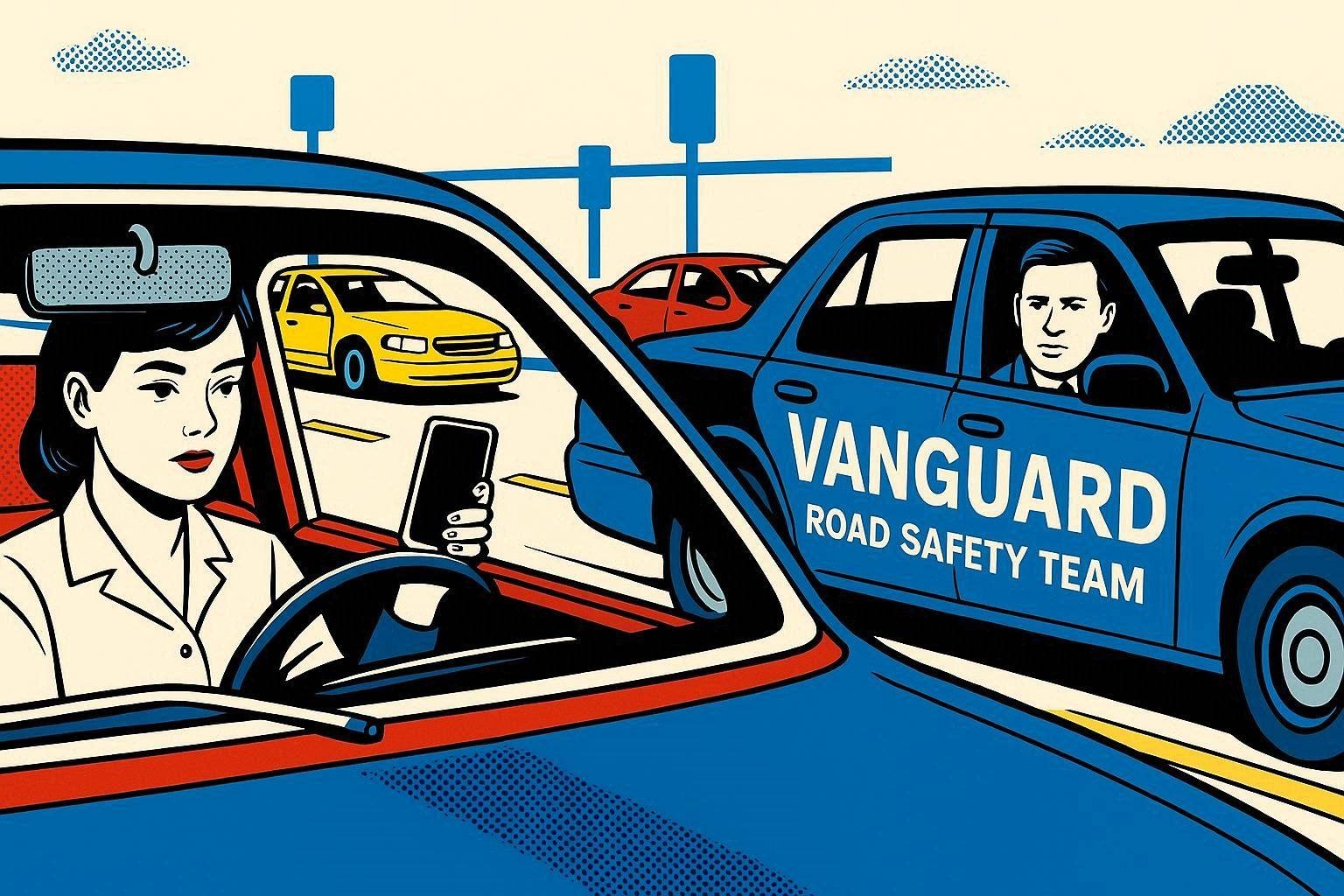
Car Insurance Warning: Young Drivers Risk £12,000 Loss Over One Illegal Habit

Introduction

Car Insurance warning – costs are rising.

And for young drivers, one illegal habit is quietly making Cheap Car Insurance almost impossible to secure.

A new UK survey shows phone use behind the wheel is not just dangerous.

It carries long-term financial consequences many drivers never see coming.

Here’s the reality.

  • Over two in five young drivers admit to illegal phone use while driving.
  • Insurers treat mobile phone offences as high-risk behaviour.
  • Penalties go far beyond fines and points.
  • Car Insurance premiums can soar for years.
  • The true cost can reach £12,000.

The Survey That Exposed A Growing Car Insurance Risk

A new poll commissioned by IAM RoadSmart surveyed more than 2,000 UK motorists.

The results were uncomfortable.

Especially for drivers aged 17 to 24.

43 per cent admitted to reading or sending messages while driving in the past year.

That figure drops sharply with age.

Drivers aged 35 to 44 reported a 29 per cent rate.

Those aged 45 to 54 fell to just 10 per cent.

That gap matters.

Insurers notice behavioural patterns like this.

And they price risk accordingly.

Want context on how insurers assess different behaviours.

Take a look at our guide to how premiums are calculated.
https://www.cheapcarinsurance.co.uk/how-do-insurance…culate-insurance/

Why Young Drivers Are Being Hit Hardest

Young drivers already sit in the highest risk category for Car Insurance.

Add illegal phone use.

And premiums jump again.

This is not about judgement.

It is about probability.

Insurers use data.

And the data shows distracted driving increases claims.

Here’s the problem.

Many young motorists see phone use as harmless multitasking.

Insurers see it as a warning sign.

That distinction changes everything.

Car Insurance Warning: Age, Risk, And Insurance Modelling

Car Insurance pricing relies on predictive modelling.

Age plays a central role.

Drivers under 25 already pay more for Cheap Insurance UK.

Illegal phone use amplifies that risk score.

One conviction can undo years of careful driving.

And unlike minor speeding, mobile phone offences carry a stronger behavioural signal.

Insurers assume repetition.

Habitual Use Behind The Wheel

The survey revealed something more worrying.

One in six young drivers admitted to instant messaging during at least half of their journeys.

That is not a lapse.

That is a habit.

Insurers do not price one-off mistakes lightly.

They price patterns harshly.

This is where Cheapest car insurance slips out of reach.

The penalties are clear.

And they are severe.

Since March 2017, illegal phone use carries:

  1. A £200 fine
  2. Six penalty points
  3. Immediate licence risk for new drivers

Lose your licence early.

And your Car Insurance profile collapses.

“A troubling number of young people are dicing with death and putting themselves at huge financial risk.”

That risk does not reset quickly.

The £12,000 Cost Nobody Explains

IAM RoadSmart analysed the wider impact of mobile phone convictions.

The result shocked many drivers.

Legal costs.

Insurance hikes.

Re-tests.

Commuting disruption.

Together, they can total £12,000.

Not immediately.

But over time.

This is where Very cheap car insurance disappears.

Silently.

If you are trying to reduce premiums instead, this guide explains safer strategies.
https://www.cheapcarinsurance.co.uk/5-ways-to-save-money/

Why Insurers React So Strongly

Mobile phone use signals distraction.

Distraction signals higher claim frequency.

And higher claims increase costs across the pool.

That is why insurers respond aggressively.

Some policies are repriced.

Others are cancelled.

And cancellation is worse than a price increase.

If you are unsure how insurers differ, this breakdown explains broker versus direct policies.
https://www.cheapcarinsurance.co.uk/what-are-the-dis…nsurance-brokers/

The Behaviour That Breaks Cheap Car Insurance

Recording videos.

Taking photos.

Messaging at traffic lights.

All of it is illegal.

A loophole once existed.

It no longer does.

That change matters for Car Insurance UK customers.

If you are a young driver, this guide explains safer insurance options.
https://www.cheapcarinsurance.co.uk/young-drivers-tips/

A Final Note Before We Continue

This article is not about fear.

It is about consequences.

Car Insurance does not punish intention.

It prices outcomes.

And once a conviction appears, reversing the damage takes time.

Sometimes years.

Quick fixes do not exist here.

But informed choices do.

Mobile Phone Use And Car Insurance Warning

At this point, the issue moves beyond fines.

Because once an incident occurs, insurers start asking harder questions.

Crucially, they assess context.

Not just damage.

As a result, even low-speed collisions become complicated.

In particular, police reports matter.

If phone use appears anywhere in the record, consequences follow.

Sometimes slowly.

Sometimes immediately.

Either way, claims become vulnerable.

Therefore, what might have been a routine payout can suddenly stall.

Or worse.

Collapse.

To understand how cover types respond differently in these situations, this comparison is useful.
https://www.cheapcarinsurance.co.uk/comprehensive-vs-third-party/

Claims Refused After Phone Use

In practice, insurers look for one thing first.

Distraction.

If distraction exists, liability shifts.

Accordingly, even non-fault claims can unravel.

Moreover, insurers now rely on digital evidence.

Call logs.

Message timestamps.

App usage data.

Because of this, denial is rarely persuasive.

Instead, assumptions become evidence.

Meanwhile, drivers often realise too late that silence works against them.

Consequently, disputes drag on.

Costs rise.

Outcomes worsen.

Car Insurance Warning: Policy Cancellation Risks

At the same time, disclosure becomes unavoidable.

Every conviction must be declared.

Regardless of age.

Regardless of severity.

Otherwise, insurers treat policies as void.

As a consequence, cancellation follows.

And cancellation is severe.

Because once cancelled, future Car Insurance options shrink dramatically.

Furthermore, prices rise across the board.

Even years later.

If switching providers after an issue, this guide explains how to avoid compounding the damage.
https://www.cheapcarinsurance.co.uk/switch-car-insurance/

The Law Changed — And The Loopholes Closed

Previously, ambiguity existed.

Photos.

Videos.

Games.

However, that ambiguity disappeared.

Specifically, legislation changed in March 2022.

Since then, any handheld phone use is illegal.

As a result, enforcement tightened.

Simultaneously, insurers recalibrated their risk models.

Accordingly, excuses no longer matter.

Intent is irrelevant.

Behaviour is everything.

What This Means For Cheap Car Insurance In The UK

So, what does this actually mean.

Put simply, affordability declines.

Especially for young drivers.

Firstly, premiums increase immediately after conviction.

Secondly, discounts vanish.

Thirdly, insurers decline quotes outright.

Eventually, Very cheap car insurance becomes unreachable.

Not temporarily.

But structurally.

To understand how insurers price these risks nationally, this overview provides clarity.
https://www.cheapcarinsurance.co.uk/navigating-car-insurance-costs/

How Young Drivers Can Protect Their Insurance

Fortunately, damage is not always permanent.

However, recovery requires intention.

And patience.

Behavioural Changes Insurers Reward

Firstly, time matters.

Clean driving periods rebuild trust.

Gradually.

Secondly, telematics policies provide measurable proof.

They show restraint.

Consistency.

Focus.

Because of that, insurers adjust pricing sooner.

If you’re considering this option, this guide explains how telematics works.
https://www.cheapcarinsurance.co.uk/telematics-car-insurance/

Choosing The Right Policy After A Conviction

Meanwhile, policy selection becomes strategic.

Some insurers specialise in higher-risk profiles.

Others simply opt out.

Therefore, brokers become essential.

They compare beyond surface pricing.

They locate viable policies.

Especially when Cheapest car insurance feels unattainable.

For context on why premiums rise despite clean records, this explanation helps.
https://www.cheapcarinsurance.co.uk/why-is-my-car-in…h-a-clean-record/

Conclusion

Ultimately, this issue is not about technology.

It is about trajectory.

Because Car Insurance reflects behaviour.

Consistently.

Predictably.

Relentlessly.

Young drivers already face elevated premiums.

Adding illegal phone use accelerates the damage.

Financially.

Professionally.

Long-term.

Therefore, the decision is simple.

Protect your licence.

And your record.

Protect your future premiums.

Because once Cheap Insurance UK disappears, reclaiming it takes years.

Not weeks.

This is your car insurance warning…


Petrol Money Lift Legality: Why That Lift Could Invalidate Your Car Insurance

Introduction

Petrol money lift legality.

At first glance, charging a mate £10 for a lift might seem harmless.

However, what you might not realise is that this small favour could legally backfire.

In this article, we’ll unpack why even casual cost-sharing could land you in serious trouble with your insurer.

When Cost-Sharing (petrol money) Becomes Commercial Activity

To begin with, it’s important to understand what insurers actually consider to be “hire and reward.”

In most cases, if you receive more than the exact cost of fuel and wear, you may be entering dangerous territory.

While some drivers assume a small profit from petrol money won’t matter, insurers often see this differently.

In fact, even a few pounds extra can legally reclassify your driving as commercial.

Consequently, your personal car insurance might no longer apply—leaving you financially exposed.

What Actions Raise Red Flags For Insurers?

Next, let’s look at the behaviours that could trigger scrutiny from your insurer.

For instance, if you’re frequently offering lifts to people outside your household, that alone could be suspicious.

Additionally, asking for more petrol money than the actual running costs could make things worse.

Even worse, advertising on social media or forums suggests that you’re actively seeking profit.

As a result, insurers may conclude you’re operating a taxi-like service—without the right cover.

What’s At Stake If Your Policy Is Invalidated?

So, what happens if your insurer decides your policy is void?

First off, any claims you make may be flat-out rejected.

Worse still, you could be charged with driving without insurance—a criminal offence.

That means points on your licence, hefty fines, or even a driving ban.

Moreover, the financial fallout doesn’t stop there.

You might have to pay for repairs or injuries out of your own pocket.

Clearly, a casual lift isn’t worth the risk.

What Do HMRC And The ABI Say About This?

Let’s shift gears for a moment.

You might be wondering, “What do the official bodies actually say?”

Well, here’s the deal.

According to HMRC, cost-sharing is allowed, but only up to a point.

Once your contributions exceed actual expenses, things start to change.

In other words, it’s no longer seen as sharing.

Instead, it begins to look like a profit.

And that matters — a lot.

Meanwhile, the Association of British Insurers (ABI) agrees.

They clarify that genuine cost-sharing is fine, as long as no money is made beyond your expenses.

However, once you tip into profit — even slightly — your insurance may no longer apply.

Why?

Because at that point, you’re technically operating a business.

And that, unfortunately, is a whole different category of cover.

In short, you can’t mix personal cover with commercial intent.

How To Share Costs, Including Petrol Money, Without Losing Your Cover

Now that you know the risks, let’s look at how to do things right.

First and foremost, always match what you receive to what you actually spend.

That means fuel, tolls, maybe some minimal wear and tear — and nothing more.

If you’re receiving more than that, you’re crossing a legal line.

Here’s where most people slip up:

They round up casually or ask for “a bit extra” just in case.

That “extra,” however, can land you in serious trouble.

In addition, try to avoid regular lift offers — especially to non-household members.

Doing so too often could make it appear as if you’re running an unofficial taxi service.

And even if you aren’t, insurers might see it that way.

Another crucial point?

Never advertise your availability for rides online.

While it might seem like a harmless way to split costs, insurers and regulators interpret that as actively seeking payment.

Consequently, that could count as “hire and reward,” which most personal policies don’t cover.

So what’s the best move?

Stick to occasional, clearly cost-shared lifts.

Always communicate your intent.

And if you’re ever unsure, ask your insurer.

Better safe than sorry.

What If You’ve Already Crossed The Line And Accepted Petrol Money?

Here’s a tough but important question:

What if you’ve already accepted money that could be considered profit?

If that’s the case, don’t panic — but do take action immediately.

To start, review your current policy documents thoroughly.

Look for any mention of “hire and reward,” “personal use only,” or “exclusions.”

Not sure what your policy means?

Then this explainer might help:
Comprehensive vs Third Party – What’s the Difference?

Next, contact your insurer directly.

It’s tempting to ignore the issue — but that could make things worse.

Instead, be honest.

Explain what happened.

Ask whether your cover is still valid.

In many cases, they’ll appreciate your transparency.

They might even let you adjust your policy without penalty.

On the other hand, if you say nothing and something happens later, your claim could be rejected entirely.

That’s a risk you don’t want to take.

By being proactive, you can fix the situation — before it spirals.

Conclusion

Let’s bring this all together.

On the surface, accepting a tenner for a lift might seem like no big deal.

However, as we’ve seen, there’s far more at stake than a little extra cash.

Because once that payment exceeds actual costs — even slightly — you’re no longer just a helpful friend.

You’re potentially a driver for hire.

And if your insurer sees it that way?

You could face policy cancellation, rejected claims, or even prosecution for uninsured driving.

In addition to the legal fallout, you’d also face a massive financial risk.

And all of that… for just a few pounds.

So here’s the bottom line:

Before you accept petrol money, ask yourself — is this genuine cost-sharing?

Or is it edging into profit?

If you’re not 100% sure, take a step back.

Because once you cross that line, there may be no going back.

Need help staying on the right side of your cover?

You’ll want to check out:
What Will Invalidate Your Car Insurance

Similar Articles You’ll Want to Read

Want to make sure your insurance stays rock solid?

Here are some hand-picked guides to dive into next:

The Digital Licence Shake-Up: What All UK Drivers Needs To Know

Introduction

A seismic shift is coming to UK roads this summer. The digital licence.

The government is preparing to launch digital driving licences via a new GOV.UK Wallet app — a move that could impact up to 50 million British drivers.

And the ripple effects?

They’re heading straight into the world of car insurance.

Here’s what you need to know right now:

  • GOV.UK Wallet will debut with digital licences later this year
  • Provisional and full licence holders are affected
  • Digital IDs may influence car insurance quotes and claims
  • Security concerns and scams are a real risk
  • Drivers must take action to avoid being caught off guard

The Big Shift To A Digital Licence

Digital Driving Licence: A First for the UK

The UK is finally joining the digital ID revolution.

This summer, the government will launch its new GOV.UK Wallet, beginning with digital veteran cards.

But the headline move?

A full rollout of digital driving licences — giving motorists the option to ditch their plastic cards and manage everything on their phone.

“Later in the year, we plan to begin rolling out a digital driving licence,” said a Department for Science, Innovation and Technology spokesperson.

Eventually, your phone will hold the same power as your wallet — at least where your licence is concerned.

Will Plastic Licences Disappear?

Not right away.

The DVLA has confirmed that plastic photo cards will remain valid, even after the digital version launches.

That said…

The pressure to switch will grow.

Especially as insurers, traffic enforcement, and even car hire companies begin to prefer the quicker verification process a digital licence provides.

So while you won’t be forced to switch…

You may want to.

How This Impacts 50 Million Brits

UK drivers – The numbers are staggering.

Roughly 50 million people across the UK currently hold either a provisional or full licence.

And every one of them will be able to download and activate the GOV.UK Wallet — turning their smartphone into a legally valid ID.

For many, that means more convenience.

But for others?

It raises serious concerns about access, privacy, and what happens if your phone dies during a roadside check.

What You’ll Be Able To Do With The App

The digital licence isn’t just a copy of your physical card.

It’s a gateway to your entire driving record.

Inside the app, you’ll see:

  • Your licence categories
  • Penalty points and endorsements
  • Renewal dates
  • Personal details and vehicle entitlements

That information could be gold for insurers.

Which brings us to the next point…

What Does The Digital Licence Mean For Car Insurance?

The car insurance industry thrives on data.

And digital licences hand insurers something they’ve never had before — instant access to live driving records.

With your permission, insurers may soon verify your licence status, penalty points, or expired renewals in real-time.

That could change everything.

For example, if you’re a young driver, this could lead to faster approvals and smarter pricing.

And if you’re looking for cheap car insurance options, having everything verified digitally might reduce admin errors — and your quote.

Digital Licence: The Pros, The Cons, And The What-Ifs

What Drivers Like..

Let’s face it…

We’ve all forgotten our wallets at some point.

Now, with this new system, you may never need your physical licence again.

The GOV.UK Wallet promises instant access, quicker updates, and no more panic-searching through gloveboxes.

Even better?

You’ll always have your ID on hand — ready for police checks, insurance renewals, or last-minute car hire.

As a result, drivers could benefit from smoother admin processes, especially when applying for very cheap car insurance.

What Critics Say About The Digital Licence

Still, not everyone’s cheering.

According to recent surveys, around 47% of Brits remain sceptical about the digital shift.

Among the top concerns are:

  • Data privacy
  • Cybersecurity
  • The risk of excluding older or non-digital users

For this reason, many argue the government must ensure equal access.

Otherwise, despite the benefits, this rollout could unintentionally alienate millions.

How To Stay Safe 

You know what they say…

If it feels too easy, it might be a trap.

Unfortunately, as this tech rolls out, scammers are likely to follow.

To stay safe, take these precautions:

  • Only download the GOV.UK Wallet from official stores
  • Avoid clicking links in unsolicited messages
  • Verify credentials and branding before submitting personal info

This advice matters now more than ever — especially with fake documents and temporary car insurance scams already on the rise.

Ultimately, digital progress is great.

But without caution, it could become a gateway to identity fraud.

What You Should Do Now

Get Prepared Before the Summer Rollout

The rollout is coming — whether you’re ready or not.

To get ahead, check your licence status today on the DVLA site.

Then, download the GOV.UK Wallet once available, and register early.

That way, you’ll avoid delays, especially if insurers or police begin favouring digital IDs.

Moreover, if you plan to switch your car insurance this year, having your verified digital licence could speed things up.

Implications For New And Young Drivers

For young and newly qualified drivers, this shift could be a game-changer.

Previously, licence checks were a hassle, often delaying policy approvals.

Now, with the GOV.UK Wallet, insurers may be able to access your driving status instantly.

This means faster applications, fewer errors, and improved eligibility for the cheapest new driver cover.

In short, the digital licence may give young drivers a digital edge.

Conclusion

So, what does all this mean?

The digital driving licence isn’t just another government app — it’s a shift in how UK drivers live, move, and insure their cars.

Not only will it modernise access and identity verification, but it will likely change how car insurance works behind the scenes.

“Car insurance is no longer just about your car — it’s about your data, too.”

Of course, the rollout brings challenges.

Security, access, and digital literacy must all be addressed.

Even so, the opportunity is enormous — for both drivers and insurers.

Therefore, don’t wait.

Update your records. Stay alert. And get ready — your car insurance journey might soon begin with your smartphone.

More Resources For Smart Drivers

Want to stay ahead of the curve?

Check out these essential reads from our blog:

Car Insurance Warning: New UK-EU Data Deal Could See Brits Fined Abroad

Introduction

UK-EU

So, you thought Brexit meant fewer rules when driving in Europe?

Think again.

A new UK-EU deal just changed the game — and not in your favour.

As a result, European authorities could soon issue surprise fines to British drivers for traffic offences committed abroad.

Why does that matter?

Because it could affect not just your wallet — but also your car insurance premiums.

A New UK-EU Data Deal: What Just Changed?

Let’s start with the basics.

Prime Minister Keir Starmer has revealed a “reset” deal with the European Union.

While the headlines focused on trade and energy, there’s more beneath the surface.

Buried deep in the document is Section 53 — and it’s a game-changer for drivers.

Why?

Because it allows EU authorities to access UK vehicle registration data through the DVLA.

In other words, traffic enforcement in Europe now has a direct line to your information.

Previously, that wasn’t possible.

Now, however, it means fines could be issued long after your trip ends, and land straight on your doormat.

Why UK Drivers Were Safe From Fines — Until Now

Let’s rewind.

Since Brexit took effect in January 2021, UK drivers have enjoyed a loophole.

Due to the legal split, the DVLA was no longer required to share data with EU traffic authorities.

As a result, minor fines for offences such as speeding or parking were virtually impossible to enforce.

Although you may have broken local laws, there was no direct way for European police to find or fine you.

That protection is now disappearing.

Therefore, under the new agreement, European authorities are actively reintroducing enforcement powers across the continent.

So, that fine you thought you got away with?

It may now arrive — with interest.

What The UK-EU Rule Actually Says — And Why It Matters

The legal wording might seem dry, but the implications are serious.

Section 53 addresses “internal security and judicial cooperation.”

Specifically, it refers to automated sharing of vehicle registration data between the UK and EU.

That means EU countries can now search UK databases in real time.

Consequently, if you break a traffic rule in Europe, your details can be pulled instantly from the DVLA.

And that’s not all.

Since the process is now automated, authorities can issue fines faster than ever before.

As a result, a forgotten offence from a weekend in Spain might not just stay in Spain.

It could follow you home.

What UK-EU Offences Could You Be Fined For?

Now let’s get specific.

Here are the common driving offences that could trigger cross-border fines:

  • Speeding
  • Driving through restricted zones
  • Parking illegally
  • Skipping tolls
  • Violating bus lanes or congestion zones

These were difficult to enforce before.

However, that’s no longer the case.

With data now flowing between the EU and the DVLA, enforcement becomes not just likely — but inevitable.

Moreover, if your vehicle is linked to the offence, the fine comes to you — even if someone else was driving.

And multiple offences?

They could lead to increased risk with insurers.

https://www.cheapcarinsurance.co.uk/driving-in-europe-british-drivers-issued-urgent-car-insurance-warning/

Could This Affect Your UK Car Insurance?

Absolutely — and the impact could be bigger than you expect.

Most UK insurers calculate premiums using a risk profile based on your driving record.

Until now, foreign offences weren’t part of that picture.

But that’s changing.

Because data-sharing is becoming more integrated, there’s a higher chance that European offences will factor into UK assessments.

So what’s the risk?

Well, insurers could see you as a higher-risk driver — especially if offences happen regularly.

Worse still, foreign fines could complicate policy renewals or even impact your no-claims discount in borderline cases.

Not only that, but switching insurers might also become harder.

Why?

Because your foreign infractions could stay on file, affecting new quotes as well.

https://www.cheapcarinsurance.co.uk/switch-car-insurance/

How To Protect Yourself Driving Abroad

Now that the rules have changed, so must your travel prep.

Before heading to Europe, take a few key precautions to stay protected.

First, make sure your car insurance includes European cover — and don’t assume it does by default.

Even if it does, check for exclusions that could leave you vulnerable.

Second, research the local traffic rules of any country you’re driving through.

Why?

Because ignorance won’t save you from a fine.

Third, consider using a GPS app with live road alerts, especially those that flag speed zones and camera locations.

In addition, keep records of any toll payments or parking receipts — just in case there’s a dispute later.

If you’re unsure what type of cover you need for short trips, learn more about your options in our guide on temporary car insurance.

The DVLA’s Role — What You Need To Know

Although the DVLA is a UK agency, it now plays a key role in international traffic enforcement.

Under the agreement, the DVLA will provide automated responses to EU vehicle data queries.

That means EU authorities won’t need to manually request your details.

Instead, their systems will be able to query UK registration records — and match them instantly.

As a result, foreign fines can now be sent more efficiently.

Also, streamlining authorities are more likely to pursue even minor offences.

And from an insurance perspective?

Every recorded offence makes you less invisible to insurers.

Could This Be Just The Beginning?

So far, the deal focuses on vehicle registration data.

However, it may only be the start.

If future UK-EU agreements expand data-sharing further, officials could include driving records, licence points, or even real-time offence logs.

In theory, the UK could eventually join a centralised EU database — even without being an EU member.

That could mean:

  • Real-time alerts to UK authorities
  • Penalties being enforced by UK courts
  • Even points being added to UK driving licences

While this isn’t happening yet, it’s a possibility worth watching closely.

Conclusion

What once seemed like a forgotten clause in a Brexit update could have real-world consequences for British drivers.

Because of the new deal, foreign traffic fines are back on the table — and they might not stay in Europe.

As vehicle data flows between the DVLA and EU systems, your chances of escaping punishment have dropped to near zero.

Even worse?

Those offences could silently push up your car insurance costs.

The best course of action is simple:

  • Stay informed
  • Know the rules wherever you drive
  • Make sure your insurance gives you true European protection

Want to avoid even more hidden risks?

Check out these related guides:

Could Carrying Passengers Void Your Insurance Policy Without You Realising?

Introduction

Void insurance.

Millions of UK drivers could be one passenger away from having their car insurance cancelled.

Why?

Because under UK law, the driver is responsible for more than just the wheel — you’re legally accountable for everything happening inside the vehicle, including the behaviour of your passengers and even their pets.

That means even small mistakes could void your insurance —

Like a friend blocking your rear-view mirror or

someone bringing their dog unrestrained, could cost you your cover.

And insurers are tightening up.

So before you offer another lift to work, here’s what you need to know.

Drivers Are Legally Responsible To Ensure Insurance Does Not Become Void

There’s no easy way to say it:

If you’re the driver, you carry the legal weight — no matter who else is in the car.

Under UK law, you must ensure that anyone under 14 wears the proper restraints — and yes, that responsibility falls entirely on you.

Even if it’s not your child.

Even if the parent is sitting right next to them.

If the police stop you and the child isn’t wearing a seatbelt, you get the fine.

And pets?

They’re not exempt either.

If a dog jumps into the front seat and causes you to swerve, it doesn’t matter who owns the dog — it’s still your fault for not keeping control.

Bottom line?

If it’s in the car, it’s on you.

Void Insurance: Why More Britons Are At Risk Than Ever Before

Here’s the kicker:

A recent survey revealed that 15% of UK households have downsized to a single car to save money.

But that single car now needs to serve more people.

And more passengers = more risk.

This also means more carpooling, more dogs coming along for the ride, and more chances for innocent mistakes to lead to devastating insurance outcomes.

It only takes one loud passenger or one unrestrained pet to turn your valid insurance into a worthless piece of paper.

And that’s not fear-mongering — it’s already happening.

The Small Mistakes That Could Void Your Insurance And Cost You Thousands

Let’s talk about real examples.

Because these aren’t rare cases — they’re increasingly common reasons for policy refusals.

Obstructed view
That coat hung over your back window? Or your mate’s giant gym bag blocking the side mirror?

It doesn’t take much for an insurer to say,

“You didn’t have full visibility. Claim refused.”

Noise and distraction
A group of friends laughing, shouting, or arguing?

Even if they’re not touching the wheel, insurers may argue you weren’t in full control of the car — and that could be the difference between a payout or being left with the bill.

Helping someone move house?
Sounds harmless.

But cramming in boxes or heavy furniture that exceeds the vehicle’s load limit could void your insurance.

Especially if those items interfere with your ability to drive.

Now imagine you’re in a crash.

You’re fine.

But your insurer digs through the claim and finds a technical violation like that.

Your cover could be ripped out from under you.

Pets, Kids And Chaos — Who’s Actually In Control?

Many drivers assume if a child misbehaves or a dog starts barking, it’s not their fault.

Unfortunately, that’s not how insurers or the law see it.

If your attention is compromised, you are not in control of the vehicle.

That’s why it’s critical to make sure:

  • All children are in age-appropriate, legal car seats
  • All pets are restrained (seatbelt harnesses or crates are ideal)
  • You never allow passengers to interfere with your driving focus

Yes, even if it feels harsh.

Because if you don’t?

The cost isn’t just financial — it could be legal too.

When Passengers Break The Law — You’re The One Who Pays

Here’s something most people don’t realise:

Even if your passenger engages in illegal activity, you can be held responsible if you were aware and failed to act.

That includes:

  • Drinking alcohol in the vehicle
  • Smoking illegal substances
  • Distracting you while driving
  • Acting in a way that endangers others

Insurers could refuse claims or cancel policies outright in these cases.

No warning.

No negotiation.

Just cancellation — or rejection of the claim.

What Insurers Are Saying — And Why This Isn’t Just Hype

To understand how serious this issue is, consider the latest figures.

Last year, UK insurers paid out £11.7 billion in motor insurance claims.

That’s an increase of 4% from the year before.

As a result, insurers are now examining claims with greater scrutiny than ever before.

Put simply, with more money leaving their accounts, they’re far less likely to be lenient about technical breaches.

So what does this mean for you?

Well, if your passengers are causing distractions by –

blocking your view or violating the law in your vehicle — your entire claim could be dismissed.

Even worse, your policy could be void and cancelled altogether.

And this isn’t just theory.

The rise in shared vehicles and carpooling is increasing the chances of risk — which directly impacts how insurers respond to claims.

Therefore, the takeaway is clear:

As distractions rise, so do your chances of being left unprotected.

What You Can Do Right Now To Protect Yourself

Fortunately, it’s not all bad news.

There are practical steps you can take immediately to reduce your risk and keep your cover safe.

Let’s break them down.

First, double-check your policy documentation.

Far too many drivers assume they’re protected when they’re not.

Next, take control of your in-car environment. That means setting expectations with passengers before you even start the engine.

Additionally, make sure children are in the correct restraints and pets are properly secured.

Finally, avoid cramming in heavy items for passengers, especially if they block mirrors or affect your ability to drive safely.

By doing the above, you’re not just following the law.

You’re sending a signal to insurers that you’re a low-risk driver, which could also help you secure cheap car insurance in the long term.

Moreover, if you’re exploring better options to ensure you do not void your insurance.

Our page on car insurance options can guide you through policies that offer more flexibility without sacrificing protection.

Conclusion

Ultimately, the message is simple — but powerful.

If you’re not in control of your vehicle, then you’re not in control of your insurance.

And in the eyes of insurers, control means more than just driving ability.

As claims rise and insurers tighten their rules, your best defence is awareness and action.

That’s why it’s more important than ever to be proactive and not void your insurance.

Make sure you understand what could invalidate your cover, take steps to avoid risky behaviour, and regularly review your policy terms.

So, before your next trip, ask yourself this:

Am I confident that everything — and everyone — inside this vehicle is safe, legal, and under control?

If the answer is yes, then you’re already on the path to keeping your protection intact and avoiding costly surprises.

If you’re keen to dive deeper, here are some essential resources to protect yourself even further:


Urgent Reform Demanded: The Grey Areas Of Car Insurance Exposed

Introduction

Reform demanded.

On a cold December evening in 2023, a devastating incident occurred.

This event would later spark a nationwide debate on car insurance laws in the UK.

Tragically, Cameron Arneaud, a 20-year-old motorcyclist from Bedford, lost his life.

The collision occurred in Finedon, Northamptonshire.

The driver involved had overstayed his student visa, thereby invalidating his driving licence and insurance.

Yet, he was still allowed on the roads, a loophole that Cameron’s father, Daniel Arneaud, is fervently working to close.

This article delves into the complex interplay of immigration, licensing, and insurance laws.

It contributed to this tragedy.

And there’s more.

It also explores ongoing efforts to reform these “grey areas” to prevent future losses.

  • Incident Overview: Cameron Arneaud’s fatal accident and its circumstances.
  • Legal and Insurance Loopholes: How the driver’s invalidated status went unchecked.
  • Advocacy for Change: Daniel Arneaud’s campaign for tighter insurance scrutiny.
  • Community and Political Engagement: The mobilization of local and national support for reform.

The Tragic Incident And Its Aftermath

On December 22, 2023, Cameron Arneaud’s life was cut short.

His motorcycle collided with a car driven by Syed Bukhari.

Bukhari was a 27-year-old whose legal right to drive in the UK had lapsed along with his visa.

But wait—there’s more.

Despite this, Bukhari’s car insurance was ostensibly valid.

This is a stark indication of the inadequate checks performed by insurance companies.

Daniel Arneaud, devastated by his loss, points to this as a glaring oversight.

It needs immediate address.

In the UK, a resident can drive on a non-UK licence for up to 12 months.

After which, they must obtain a UK licence.

However, insurance companies currently lack the means—or perhaps the mandate—to verify the immigration status of a policyholder.

They rely instead on the honesty of the applicant.

This gap in the verification process allowed Bukhari to maintain insurance on a technicality.

Despite his ineligible status.

Daniel Arneaud’s Call For Stricter Regulations

Fueled by his grief and a strong sense of injustice, Daniel has been vocal in his demand for reform.

He argues that insurance companies should bear some responsibility.

They should ensure their policyholders are legally permitted to drive.

“If insurers had properly checked, Mr Bukhari wouldn’t have been insured.

Therefore, he would not have been on the road, and my son would still be alive,” he asserts.

But that’s not all.

Reform: The Challenge Of Enforcing New Insurance Policies

Changing insurance verification laws involves navigating a complex web of privacy laws.

This includes data protection regulations and the technical limitations of current systems.

Insurance experts and policymakers are thus caught in a debate.

It’s over feasibility and privacy concerns versus the undeniable need for improved public safety.

Public And Political Momentum For Reform

The outcry following Cameron’s death has galvanized public support for the Arneaud family’s campaign.

With the assistance of North Bedfordshire MP Richard Fuller, Daniel is pushing for legislative changes.

These changes would close these dangerous loopholes.

Organisers are preparing to launch an online petition.

It aims to gather public support and bring further attention to this critical issue.

Here’s the kicker:

This narrative not only highlights the human aspect of the tragedy.

It also frames the discussion around the need for legislative reform.

It draws readers into a conversation that impacts every UK driver’s life and safety.

Learn more about how car insurance is calculated and the factors that influence your premium.

The best time to buy car insurance.

Insights From The Insurance Sector

Firstly, the Association of British Insurers acknowledges their current lack of access to individual immigration statuses.

This responsibility falls to the Home Office.

Consequently, they stress the critical importance of policyholders informing insurers immediately upon any changes.

Failure to do so can invalidate the policy.

Moreover, driving uninsured can lead to severe legal consequences if involved in an accident.

Furthermore, the Department for Transport confirms the dangers of driving without a valid licence and insurance.

They emphasise that police possess robust powers to arrest illegal drivers.

Consequently, those apprehended face the full force of the law, including potential jail time.

This clearly underscores the government’s strong commitment to road safety.

Plans For Future Policy Adjustments/Reform

Additionally, Daniel Arneaud and his supporters, including local MPs, are diligently proposing legislative changes.

These changes aim to require more thorough checks by insurance companies.

Here’s the crucial point:

This initiative seeks to close loopholes that allow illegal drivers to remain unchecked, significantly enhancing road safety.

Conclusion

In conclusion, the tragic loss of Cameron Arneaud has ignited a crucial campaign for reforming car insurance verification processes in the UK.

Daniel Arneaud’s relentless advocacy aims to transform his grief into a powerful force for legislative change.

By actively advocating for stricter regulations on insurance verification, the campaign aims to significantly improve road safety.

It ensures all drivers comply with legal standards.

Importantly, this campaign gives a voice not only to Cameron but to every driver sharing the road.

It serves as a call to action for everyone to support these changes.

These reforms promise to make UK roads safer for everyone.

Learn more about the impact of car insurance policies on road safety.

Get involved in road safety initiatives and help drive change.

Car Insurance Quote

Step 1

Complete your quick and easy quote

Car Insurance

Step 2

Reveal your car insurance policies

Cheapest

Step 3

Pick your favourite and get instant cover