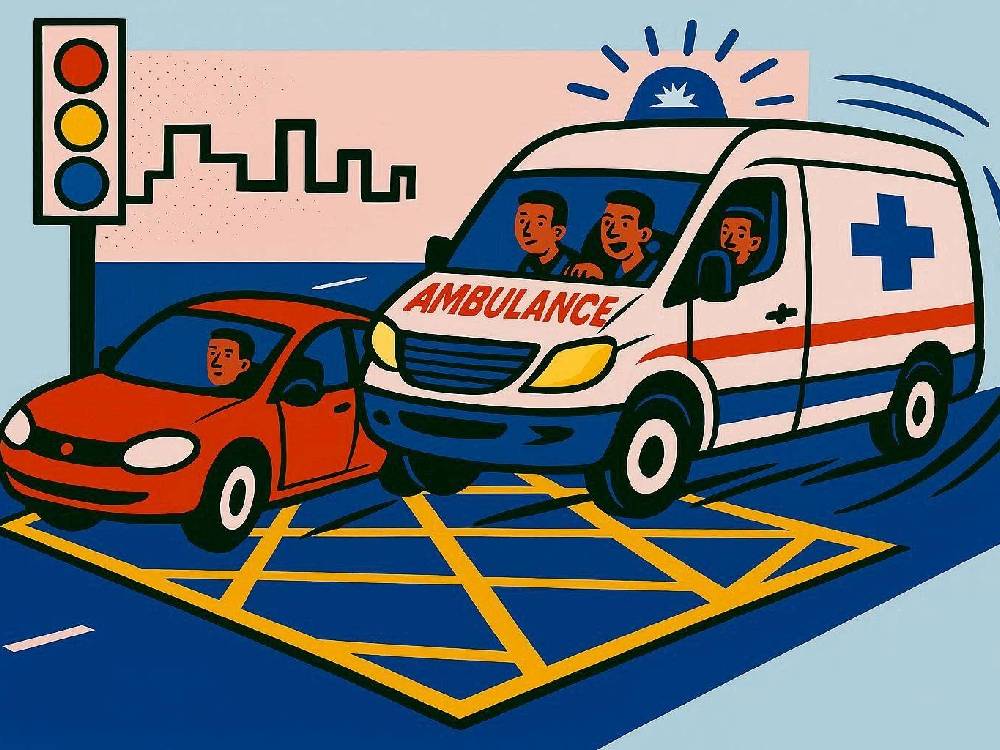
Driving Without Tax: DVLA £1,000 Fine Could Hit Drivers Who Miss This Simple April Check

Introduction

Driving without tax….

Right now, thousands of UK drivers risk a £1,000 fine without realising it.

Even worse, many think everything is sorted.

Then a fine lands.

Here’s the truth.

If you don’t tax your vehicle, your Car Insurance can fall apart instantly.

And suddenly, that Cheap Car Insurance you trusted becomes a costly mistake.

So, what’s actually happening?

More importantly, how do you avoid it?

DVLA £1,000 Fine — What Drivers Are Missing Right Now

Let’s get straight to it.

Drivers must tax every vehicle on UK roads.

No grey area.

No exceptions.

Yet hundreds of thousands of drivers still skip this step.

That’s where the problem starts.

Most drivers assume their vehicle tax renews automatically.

It doesn’t.

At least, not always.

And if you don’t check?

You take the risk.

Here’s the catch.

You drive untaxed, you face fines up to £1,000.

Simple.

But it gets worse.

Authorities can clamp your vehicle.

They can impound it.

And they act fast.

Now you might think…

“This won’t happen to me.”

But thousands thought the same.

Until it did.

And just like that, a small oversight turns into a serious financial hit.

Driving Without Tax: Why So Many Drivers Get Caught Out

So why do drivers keep making this mistake?

It comes down to behaviour.

First, people rely on memory.

Then life gets busy.

And that reminder never gets set.

Next, confusion kicks in.

Some cars renew automatically.

Others don’t.

That inconsistency catches people out.

But there’s more.

Drivers move house and miss DVLA letters.

Others assume their direct debit still runs.

It doesn’t.

And just like that, they drive illegally without knowing.

Sounds harsh.

But the system doesn’t bend.

You don’t tax your car, you break the rules.

And the fine follows.

Now here’s where things shift.

Vehicle tax doesn’t just tick a legal box.

It protects your Car Insurance.

Miss it, and everything changes.

Here’s why.

Insurers expect full legal compliance.

That includes valid tax.

So if you drive untaxed?

You put your policy at risk.

Let that sink in.

You might hold valid insurance on paper.

But in reality?

You could have no cover when it matters most.

Here’s where it gets serious.

You crash your car while untaxed.

Your insurer can reject your claim.

No payout.

No protection.

Just the bill.

And that bill can hit hard.

That’s why understanding your cover matters.

Start here:
Car Insurance Options

When Cheap Car Insurance Becomes Very Expensive: Driving Without Tax

Saving money on insurance feels smart.

And often, it is.

But only if you follow the rules.

Because here’s the reality.

Cheap Car Insurance works when everything lines up.

Break one rule?

The whole thing collapses.

Think about it.

You save money upfront.

But one mistake — like missing your tax — wipes that out instantly.

That’s not saving.

That’s exposure.

And many drivers don’t see it coming.

Because insurers check everything.

They look at:

  • Vehicle tax
  • MOT status
  • Accuracy of your details

Miss one?

You take the hit.

So yes, chase cheap car insurance.

But do it properly.

Want safer ways to cut costs?

Start here:
5 Ways to Save Money

What Happens If You’re Caught Driving Without Tax

Let’s break it down.

You skip your tax.

Drive anyway.

Get caught.

You pay the price.

First, you face a fine.

Up to £1,000.

Then enforcement escalates.

Authorities clamp your car.

They can seize it.

And they won’t wait long.

But here’s what most drivers miss.

This doesn’t end with the fine.

It follows you.

Insurers take notice.

They raise your premiums.

They limit your options.

And suddenly, Cheap Insurance becomes harder to find.

So what started small…

Turns into a long-term cost.

Here’s the bottom line.

Check your vehicle tax.

It takes minutes.

Ignore it?

You risk far more than you think.

The One Check Every Driver Must Do In April

Now, let’s focus on what actually matters.

Because this is where you take control.

First, head to the official DVLA vehicle tax checker.

Then enter your registration.

That’s it.

Within seconds, you’ll see your status.

So, if your tax has expired, act immediately.

Don’t wait.

Because delays create risk.

And risk leads to fines.

Here’s the key point.

You must not assume anything.

Instead, you verify it yourself.

Every time.

Especially in April.

Why April?

Because many renewals cluster around this period.

As a result, missed checks spike.

And consequently, fines increase.

So yes, timing matters.

But more importantly, consistency matters.

Check it.

Confirm it.

Fix it if needed.

Simple.

You can also double-check your insurance status here:
How do I check if my car is insured?

Driving Without Tax: Quick Ways To Stay Compliant And Avoid Fines

So, how do you stay ahead?

Fortunately, it’s easier than most drivers think.

First, set a reminder on your phone.

Then repeat it yearly.

Next, link your tax check with your MOT.

That way, you never miss either.

Also, review your direct debit regularly.

Don’t assume it’s active.

Check it.

Confirm it.

Then move on.

Additionally, keep your address updated with the DVLA.

Otherwise, you miss important letters.

And that creates unnecessary problems.

Here’s another smart move.

Combine your checks.

Tax.

Insurance.

MOT.

Review them together.

As a result, you reduce mistakes.

And more importantly, you stay compliant.

If you’re thinking about switching to save money, start here:
Switch Car Insurance

How to Protect Yourself And Find The Cheapest Car Insurance

Now, let’s connect everything.

Because this isn’t just about avoiding fines.

It’s about protecting your money.

And your future premiums.

So, when you stay compliant, insurers see you as low risk.

Consequently, they offer better prices.

That’s how you unlock cheapest car insurance deals.

Not shortcuts.

Not guesswork.

Just smart decisions.

Here’s where things improve.

When you manage your tax, MOT, and insurance together, you gain control.

And control leads to savings.

Real savings.

Not risky ones.

So yes, you can still find cheap car insurance.

But you do it the right way.

For example, choosing the right cover level matters.

You can explore the difference here:
Comprehensive vs Third Party

Likewise, your driving profile matters.

Your habits.

History.

Consistency.

All of it feeds into your premium.

Therefore, small improvements stack up.

And over time, they reduce your costs significantly.

If you want a deeper breakdown of pricing, start here:
Navigating Car Insurance Costs

Conclusion

So, where does this leave you?

Right at a decision point.

You either check your vehicle tax.

Or you take the risk.

And that risk isn’t small.

Because a missed check can trigger a £1,000 fine.

Then it can impact your Car Insurance.

Then it can raise your premiums.

One mistake.

Multiple consequences.

However, the solution stays simple.

Check your tax.

Confirm your details.

Stay compliant.

And as a result, you protect both your vehicle and your wallet.

Better yet, you keep access to Cheap Car Insurance deals across the UK.

So don’t wait.

Check now.

Because the longer you leave it…

The more it could cost you.


If you want to go further, these guides will help you save more and stay protected.

For example, you can explore how to reduce your premiums, understand policy types, and avoid costly mistakes.

Start with these:

Because ultimately, the more you understand, the more you save.

Car Insurance Warning: The Simple Fault That Could Cost UK Drivers £2,500

Introduction

Car insurance warning risk…

It starts with a warning light.

At first, you notice it.

But then, you ignore it.

And before you realise it, your Car Insurance could already be at risk.

Here’s the problem.

While it may seem minor, that small fault can quietly invalidate your policy.

As a result, you could face a £2,500 fine and pay for everything yourself.

And yet…

Most UK drivers still delay action.

Because, on the surface, the car feels fine.

However, this is exactly where things begin to go wrong.

So, what does this actually mean for you?

  • Firstly, how warning lights can invalidate Car Insurance
  • Secondly, why insurers may refuse your claim
  • Thirdly, the £2,500 fine many drivers overlook
  • Additionally, the legal duty to stay roadworthy
  • Finally, simple steps to protect your cover

Why Ignoring A Warning Light Could Void Your Car Insurance

To begin with, insurance is a contract.

In other words, you agree to keep your car roadworthy.

At all times.

However, if you ignore a known fault…

Then you break that agreement.

And that’s where the risk begins.

For example, if your tyres are worn…

Or if your brakes are faulty…

Or even if your engine light stays on…

Then your insurer may refuse your claim.

Completely.

As a result, you get no payout.

No support.

Just the cost.

So, while it might feel like a small issue…

It can quickly become a big financial problem.

That’s why understanding your policy is essential.

If you haven’t reviewed it recently, you should start here:

Compare Car Insurance Options

Because, ultimately, not all cover protects you equally.

Car Insurance Warning Risk: The £2,500 Fine Most Drivers Don’t See Coming

Now, let’s look at the legal side.

Because this isn’t just about insurance.

Instead, it’s about the law.

Under the Road Traffic Act 1988, your car must be safe.

Every time you drive.

No exceptions.

Therefore, if you ignore a fault…

You could face serious consequences.

For instance:

  • Up to £2,500 fine
  • Three penalty points
  • Even a driving ban

At first, this may sound extreme.

However, it happens more often than people think.

So, while delaying a repair may seem harmless…

It can quickly escalate into a legal issue.

The Hidden Cost Of Delaying Repairs

Let’s be honest.

Most drivers delay repairs to save money.

Initially, that makes sense.

However, over time, small problems grow.

And when they grow…

They become expensive.

For example, a minor warning light can turn into a breakdown.

Likewise, a small repair can become a major bill.

But more importantly…

You risk your insurance.

And when you need it most…

It may not be there.

So instead of delaying repairs, it’s smarter to reduce costs elsewhere.

For example:

5 Ways To Save Money On Car Insurance

Because, in the long run, prevention always costs less.

Car Insurance Warning Risk: Faulty Cars Cause 1,300 Collisions Every Year

Now, let’s zoom out.

Because this isn’t rare.

In fact, according to the Department for Transport…

Faulty vehicles cause around 1,300 collisions every year.

That’s significant.

And importantly, many of these are preventable.

For example:

Tyres.

Brakes.

Warning lights.

In each case, the issue often starts small.

However, when ignored…

It leads to serious consequences.

So, from an insurer’s perspective, maintenance matters.

Because, ultimately, risk drives cost.

What Insurers Really Look For When You Make A Claim

At this point, it’s important to understand how claims work.

Because they’re not as simple as they seem.

Instead, insurers investigate carefully.

In particular, they ask one key question.

Could this have been avoided?

If the answer is yes…

Then your claim is at risk.

For example, insurers may check:

  • Service history
  • MOT records
  • Tyre condition
  • Warning lights

As a result, everything matters.

And if something was ignored…

Then the responsibility falls on you.

Not them.

So, if you’re unsure about your level of cover, start here:

Comprehensive vs Third Party Car Insurance

Because, ultimately, the type of policy you choose makes a difference.

Common Mistakes That Could Invalidate Your Policy: Car Insurance Warning Risk

Now, let’s simplify things.

Because most mistakes feel harmless.

However, that’s exactly why they’re dangerous.

For instance:

Ignoring warning lights.

Delaying servicing.

Driving on worn tyres.

Skipping basic checks.

Individually, they seem small.

However, together, they create risk.

And from an insurer’s perspective…

Risk changes everything.

So here’s the key point.

You don’t need to drive recklessly.

Instead, you just need to ignore something obvious.

And that alone can invalidate your policy.

If you want to avoid this, read:

Car Insurance Exclusions – What’s Not Worth The Risk

Because, in many cases, the biggest risks are the ones you overlook.

Simple Checks That Could Save You Thousands

Now, here’s the good news.

This is easy to fix.

Firstly, check your tyres.

Secondly, monitor your dashboard.

Thirdly, service your car regularly.

Finally, test your brakes.

That’s it.

Simple actions.

However, they make a big difference.

Because staying roadworthy protects your insurance.

And, at the same time, protects your wallet.

How Staying Roadworthy Helps You Get Cheap Car Insurance

Now, let’s connect this to cost.

Because this is where it gets interesting.

Insurers price risk.

Therefore, lower risk means lower premiums.

So, if your car is well maintained…

You become cheaper to insure.

As a result, you gain access to:

Better deals.

Better cover.

And ultimately, Cheap Car Insurance that actually protects you.

However, there’s another step.

Switching providers.

Because if you haven’t reviewed your policy recently…

You could be overpaying.

So, start here:

Switch Car Insurance And Save Money

Because, in the end, smart drivers don’t just maintain their car.

They optimise their insurance too.

Conclusion

So, here’s the bottom line.

It’s never just a warning light.

Instead, it’s a risk.

And if you ignore it…

You risk your insurance.

Your money.

And your licence.

However, if you act early…

You stay protected.

You stay covered.

And importantly, you stay in control.

So fix the small problem.

Before it becomes a big one.


If you want to go further, there are smarter ways to protect yourself.

For example, you can learn how drivers are saving more here:

Cheapest Car Insurance Might Be Closer Than You Think

Alternatively, you can avoid costly mistakes here:

The Dash Cam Mistake That Could Cost You

Because, ultimately, better decisions lead to cheaper insurance.

Car Insurance Alert: Rural Drivers Could Pay £110 More Under Labour’s New EV Mileage Tax

Introduction

Car insurance alert.

When most drivers think about rising motoring costs, they usually think about fuel or car insurance.

However, a new government proposal could quietly add another bill.

And for rural drivers in England, that bill may hit particularly hard.

According to new analysis of official data, motorists in the South West could pay around £110 more each year under a proposed mileage-based tax on electric vehicles.

Meanwhile, urban drivers may pay significantly less.

In other words, where you live could soon influence how much you pay to drive.

Car Insurance Alert: Why Rural Drivers Could Be Hit Hardest

First, let’s look at the numbers.

Because they reveal something quite surprising.

Drivers in the South West of England could face the biggest increase in costs.

In fact, estimates suggest rural motorists in the region may pay £110.25 extra each year under the proposed system.

Meanwhile, drivers in the East Midlands could pay roughly £105.09 more annually.

However, drivers in large cities may pay far less.

In many urban areas, the average extra cost could fall to around £76 per year.

So what explains the difference?

The answer is simple.

Rural drivers typically travel much further.

They commute longer distances.

They rely more heavily on cars.

And public transport options are often limited.

As a result, a mileage-based tax naturally impacts rural drivers more heavily.

Now here’s where things get interesting…

This isn’t the first time location has affected motoring costs.

In fact, car insurance premiums already vary significantly by region.

Drivers in rural areas often benefit from lower premiums because there are fewer accidents.

However, increased driving distances can still influence insurers’ risk calculations.

If you want to understand how insurers calculate those costs, take a look at this guide on how insurers calculate insurance.

Because once you understand the formula, saving money becomes much easier.

The New 3p-Per-Mile Electric Vehicle Tax Explained

So what exactly is the government proposing?

In short, a 3p-per-mile road charge for electric vehicles.

The proposal was announced during the Autumn Budget.

And the idea behind it is straightforward.

Electric vehicle drivers currently pay no fuel duty at all.

Meanwhile, petrol drivers typically pay around £480 per year through fuel taxes.

From the government’s perspective, that creates a growing tax gap as EV adoption increases.

So the proposed mileage charge aims to close that gap.

However, critics argue the change could discourage EV ownership.

Especially among drivers who live outside major cities.

But here’s the key point.

Even with the new mileage charge, electric vehicles would still remain cheaper to run than petrol cars.

According to experts, EV drivers would still pay roughly half the tax burden of petrol motorists.

That’s why many analysts believe electric vehicles will remain the most practical long-term option.

Nevertheless, the perception of higher costs could still influence consumer behaviour.

And that matters.

Because buying a car isn’t just about road tax.

Drivers also consider insurance costs, servicing, charging, and depreciation.

For example, electric vehicles often have different insurance considerations.

If you’re curious how that works, this guide explains car insurance for electric vehicles.

Understanding those differences can make a huge difference when comparing total ownership costs.

Could The Tax Slow Down Electric Vehicle Adoption?

At the centre of the debate is one important question.

Will this policy slow down EV adoption?

Some experts believe it might.

According to the leasing group Electric Car Scheme, the new tax could create another psychological barrier for potential buyers.

And right now, the government is trying to move EV ownership beyond early adopters.

In other words, the challenge is convincing the mass market.

However, many drivers remain sceptical.

They worry about charging infrastructure.

They worry about battery longevity.

And of course, they worry about cost.

So when a new tax appears in the headlines, it can reinforce those doubts.

Here’s the catch.

The overall cost of EV ownership is still typically lower.

Electric vehicles have fewer moving parts.

Maintenance costs are often lower.

And electricity usually costs less than petrol per mile.

Nevertheless, perception often matters more than reality.

Which is why policymakers must tread carefully.

Meanwhile, drivers looking to manage their costs should focus on areas they can actually control.

One of the biggest opportunities?

Car insurance.

Many drivers unknowingly overpay for their policies.

Yet switching providers can dramatically reduce premiums.

If you’re unsure how the process works, this guide explains how to switch car insurance.

Because sometimes the easiest savings are the ones hiding in plain sight.

Car Insurance Alert For Rural vs Urban Driving Costs

However, the mileage tax debate reveals a deeper issue.

Driving costs already vary widely depending on where you live.

And rural drivers often face unique financial pressures.

For example, many rural workers travel long distances to reach their jobs.

Public transport may be limited.

In some areas, it barely exists at all.

As a result, the car becomes essential.

Not optional.

And that means mileage adds up quickly.

But here’s the interesting part.

Although rural drivers travel further, they often pay less for car insurance.

Why?

Because accident rates tend to be lower outside large cities.

Fewer cars on the road usually means fewer collisions.

Nevertheless, insurers still consider many different risk factors.

Location.

Vehicle type.

Driving history.

Even credit behaviour can sometimes play a role.

If you’re curious how financial behaviour can influence premiums, this article explains the relationship between your credit score.

Because insurers analyse far more data than most drivers realise.

And understanding that the system can unlock significant savings.

What This Car Insurance Alert Means For Your Overall Driving Costs

Meanwhile, British drivers are facing rising motoring costs across the board.

Fuel prices fluctuate constantly.

Vehicle maintenance continues to rise.

And car insurance premiums have increased in recent years.

Therefore, any additional tax—such as a mileage charge—can feel like another financial squeeze.

But there is good news.

Drivers still have several ways to reduce their total motoring expenses.

In fact, insurance is often the easiest place to start.

Because the difference between insurers can be dramatic.

Sometimes hundreds of pounds per year.

For example, many drivers simply renew their existing policy automatically.

However, loyalty rarely rewards customers in the insurance market.

Instead, insurers often reserve their best deals for new customers.

That’s why comparing policies can unlock very cheap car insurance.

And sometimes switching providers can reduce premiums immediately.

If you want practical ideas, this guide outlines 5 ways to save money on your policy.

Even small adjustments can produce surprising results.

Practical Ways Drivers Can Offset Rising Costs After This Car Insurance Alert

So what can drivers actually do?

Quite a lot, as it turns out.

First, consider the type of car you drive.

Insurance groups vary dramatically.

Some vehicles cost far less to insure.

If you’re planning your next purchase, this list of the 10 cheapest cars to insure is a useful place to start.

Next, consider telematics insurance.

Also known as black box insurance.

These policies monitor driving behaviour.

Safe drivers can often unlock lower premiums.

You can learn how it works in this guide to telematics car insurance.

Another option involves choosing the right policy level.

Many drivers assume comprehensive insurance is always the most expensive.

However, that’s not always true.

Sometimes fully comprehensive cover can actually be cheaper than third-party policies.

This guide explains the differences between comprehensive vs third party.

Finally, remember this.

The cheapest insurance isn’t always the one you currently have.

Because new deals appear constantly.

And drivers who compare regularly often secure the cheapest car insurance available.

Conclusion

Ultimately, the proposed mileage tax highlights a growing challenge for British motorists.

Driving costs continue to evolve.

Taxes change.

Fuel prices fluctuate.

Insurance premiums shift.

And new technologies reshape the automotive landscape.

However, one thing remains clear.

Electric vehicles are still likely to remain the most practical and future-proof option for UK drivers.

Even with the proposed 3p-per-mile charge.

Nevertheless, rural motorists may feel the greatest impact.

Because longer driving distances naturally increase mileage costs.

That’s why managing other expenses becomes even more important.

And cheap car insurance remains one of the easiest areas to optimise.

If you want to explore options or compare policies, visit the Cheap Car Insurance UK homepage.

Because even small savings on insurance can offset rising motoring costs.

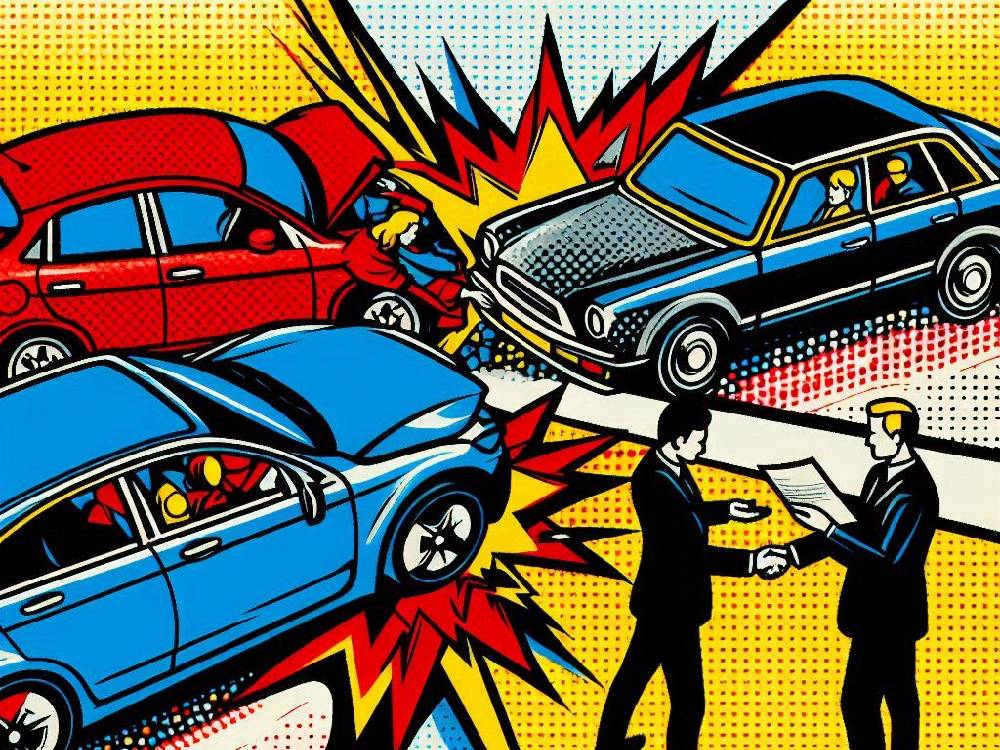
Car Insurance: What You MUST Do After A Bad Accident (UK Driver Survival Guide)

Introduction

What to do after a car accident.

A bad accident changes everything in seconds.

Because suddenly your heart races.

And your mind fogs.

Yet the decisions you make next really matter.

So this guide walks you through each crucial step.

And it helps you stay protected.

And it shows you how to keep control — even when the road falls apart.

What To Do After A Car Accident

You have one job in the first ten seconds.

Stay alive.

Because everything else is secondary.

But here’s where most drivers panic.

They forget the basics.

So let’s break this down calmly.

Move away from danger if you can.

Check your breathing.

Check anyone else’s breathing.

Call emergency services if anyone is hurt.

Then pause.

Here’s the twist.

Your insurer expects you to stay at the scene unless you are physically unsafe.

So slow down your thoughts.

Then take photos of everything.

The debris.

Road surface.

Traffic lights.

The inside of your car.

Get a wide shot.

Get a close shot.

Because this evidence becomes your strongest defence later.

Next?

Let’s keep going.

Swap details with the other driver.

Name.

Address.

Registration.

Insurer.

But avoid blaming anyone.

Avoid apologising.

Avoid admitting anything.

Those words can destroy your claim.

Finally, once you’re safe, tell your insurer what happened.

And yes — you must notify them even if you don’t plan to claim.

(Drivers forget this all the time.)

To stay fully protected, review your cover here:
Cheap Car Insurance Options

What To Do After A Car Accident — And When

Here’s where timing becomes everything.

Because if you delay contacting people, problems multiply.

First — the police.

You must report any injury, obstruction, or suspected crime.

This includes dangerous driving, uninsured driving, or intoxication.

You have 24 hours to do it.

Second — your insurer.

Call them the same day if you can.

Even a short delay can complicate your compensation.

But wait — there’s more.

Your insurer may also ask you to provide medical details, witness statements, dash-cam footage, or repair reports.

So keep everything.

Every scrap of information helps.

If you need prices that still stay low after reporting an accident, compare options here:
Very Cheap Car Insurance

What To Do After A Car Accident To Prevent Future Problems

Accidents change your policy.

And they change your premiums.

And they change how insurers see you as a risk.

Even so, you still have control.

Because not all accidents affect your payments equally.

If the accident wasn’t your fault, your premium may stay stable.

If it was your fault, you may lose some or all of your no-claims bonus.

However, even with a loss of NCB, you can still find Cheap Insurance.

It just requires strategy.

Now here’s something drivers rarely know.

Insurers categorise claims differently.

Some are high-impact (like collisions).

Others are low-impact (like windscreen damage).

Understanding the difference helps you stay ahead.

And if your car becomes too expensive to insure, you might explore lower-risk models listed here:
10 Cheapest Cars to Insure

Understanding Repairs, Write-Offs, And Courtesy Cars

This is where reality hits.

Your car may not survive the crash.

And insurers decide the outcome, not you.

They assess the damage.

Compare repair cost with vehicle value.

Consider safety categories.

And then they deliver the verdict — repair or write-off.

But here’s the problem.

Many drivers don’t understand Category S and Category N.

Category S means structural damage.

Category N means non-structural damage.

Both can be repaired, but resale value changes.

And your next insurer will want to know.

Meanwhile, you may receive a courtesy car.

But only if your specific policy allows it.

Every policy is different.

So always read the fine print.

If you need help finding policies designed for specific driver groups, explore this:
Cheap Car Insurance for Women

How To Protect Your Wallet After The Accident (Costs Add Up Fast)

Here’s a truth people learn too late.

Accidents drain your wallet long before insurers pay out.

You may face excess fees.

Towing charges.

Storage fees.

Temporary transport costs.

And, eventually, higher premiums.

But you can protect yourself.

Because small decisions now prevent big losses later.

One strategy?

Start reviewing money-saving options immediately.

And always check whether repairers are insurer-approved.

Because non-approved repairs can void your claim.

If you want to cut costs quickly, start with this guide:
5 Ways to Save Money on Car Insurance

Preventing Future Accidents (And Future High Premiums)

Most drivers only think about the accident behind them.

But the smart ones think about the next one too.

And that mindset changes everything.

Because safer driving doesn’t just protect your life.

It protects your bank account.

So what helps most?

Regular car maintenance.

Tyre checks.

Brake inspections.

Dashboard warning lights that you never ignore.

Even small habits lower risk.

Now here’s the part most people underestimate.

Telematics policies.

Black box insurance rewards good driving with cheaper premiums.

It tracks acceleration, braking, and cornering.

And insurers love that stability.

If you’re looking for ways to reduce long-term costs, explore this:
Switch Car Insurance

So what’s next?

Let’s take it a step further.

Modern driver-assist tech increases safety too.

Lane assist.

Speed limit recognition.

Collision prevention systems.

These features make you statistically safer, which means potentially cheaper cover.

And when you combine tech with safe habits, premiums fall faster than most drivers expect.

What To Do After A Car Accident Before You Move On

Final Critical Steps

This is the moment where clarity returns.

The crash happened.

Forms are filed.

Repairs are booked.

But your job isn’t done yet.

Here’s what most drivers forget.

You must track every repair update.

Check every detail of your policy renewal.

Review the new premium carefully.

Because insurers sometimes change things quietly.

And you shouldn’t discover surprises at the last minute.

Next?

Shop around.

Because staying loyal rarely gets you Cheap Car Insurance anymore.

In fact, switching is now one of the fastest ways to lower costs again.

Especially for younger motorists who are hit hardest after accidents.

For guidance tailored to new and younger drivers, you can visit:
Young Drivers Tips

Finally, store all documents securely.

Because future insurers may ask for accident details.

And accurate records save you stress later.

Conclusion

Staying Protected, Staying Smart

A serious accident shakes your confidence.

But it doesn’t have to ruin your finances.

And it doesn’t have to make future premiums impossible.

Because every decision you take — from the first phone call to the final repair update — shapes the outcome.

So stay calm.

Stay methodical.

Stay fully informed.

And remember this.

Even after a bad crash, you can still secure Cheap Car Insurance with the right strategy, the right information, and the right approach at renewal time.

You’re not powerless here.

You’re simply better prepared than most drivers on the road.

If you want to dive deeper into driving costs, accident rules, and smarter ways to protect yourself on the road?

You may also enjoy exploring guides like electric vehicle cover, telematics, and fully comp vs third-party policies —

all packed with practical insight for UK drivers. Start with these:

Car Insurance for Electric Vehicles,
Telematics Car Insurance,
Comprehensive vs Third Party.

Car Insurance — Worst Areas For Uninsured Driving Revealed

Introduction

Car Insurance —  Uninsured Drivers

Every 20 minutes, someone in the UK is hit by an uninsured or hit-and-run driver.

That means by the time you’ve finished reading this introduction, another innocent driver will have been caught up in someone else’s mistake.

And here’s the truth — it’s not just their problem.

When uninsured drivers hit the road, everyone pays the price.

But what can you do to protect yourself?

Let’s break it down.

Why Uninsured Driving Is A Growing Problem In The UK

Let’s face it — the cost of living is biting hard.

Fuel prices, MOTs, repairs, tax — it all adds up.

And for some drivers, skipping insurance feels like a quick way to save cash.

But here’s the catch.

Driving uninsured doesn’t just risk fines or penalty points — it can wreck your finances for years.

The Motor Insurers’ Bureau (MIB) estimates there are over one million uninsured vehicles on UK roads.

That’s one in every 38 cars.

Think about that next time you’re stuck in traffic.

Now, many of these drivers aren’t hardened criminals.

Some simply misunderstand their cover.

Others think they’re insured when they’ve switched bank cards and their direct debit failed.

Either way, the risk falls on those doing the right thing.

So, what can you do?

First, make sure you’re comparing policies wisely — starting with car insurance options designed for real UK drivers.

UK’s Worst Hotspots For Uninsured Driving: Car Insurance Uninsured Drivers

Here’s where it gets worrying.

Certain parts of the country are practically flooded with uninsured cars.

According to the MIB, drivers in Birmingham, Manchester, and Liverpool top the list for uninsured driving.

London boroughs like Hackney, Croydon, and Tower Hamlets aren’t far behind.

So what’s driving these numbers?

Urban congestion, higher insurance costs, and social inequality all play a part.

But it’s not just about postcodes.

In many cases, these are areas where drivers rely heavily on older vehicles — cars that cost more to insure than they’re worth.

Still, that’s no excuse.

The consequences can be devastating.

Here’s something to think about — even one uninsured claim can push everyone’s premiums up.

If you live in or near one of these hotspots, now’s the time to double-check your cover.

And if you’re not sure whether your vehicle is insured right now, use this guide: How do I check if my car is insured?

The Hidden Price You Pay — Even If You’re Insured

Here’s the part most people miss.

Even when you play by the rules, you still pay the price for those who don’t.

Every year, insurers pay out millions in claims caused by uninsured or untraceable drivers —

Costs that are quietly passed back to you through higher premiums.

It’s like footing the bill for someone else’s mistake.

And it adds up.

The MIB estimates uninsured drivers cost the UK economy over £400 million a year.

That’s money that could have kept premiums lower for everyone else.

Want to know how to fight back?

Start by choosing a car that’s cheap to insure.

Here’s a helpful resource: The 10 Cheapest Cars to Insure in 2023.

Because sometimes, saving starts before you even hit the road.

Car Insurance Uninsured Drivers: Protect Yourself And Find The Cheapest Cover

Now let’s talk solutions.

If you want to stay covered without breaking the bank, you need strategy — not luck.

Here’s what smart drivers are doing right now.

They’re comparing quotes across brokers.

They use cheap car insurance comparison tools to lock in the best rates.

And they are checking for hidden extras and reading the fine print before clicking renew.

But that’s not all.

Some are switching to telematics car insurance

Smart tech that tracks how safely you drive and rewards you with lower premiums.

Others are fitting dash cams to protect themselves in disputes —

Just make sure you avoid these dash cam mistakes that could cost you.

Still with me?

Here’s the golden rule: the cheapest policy isn’t always the best one — but the right one always pays off.

What Happens If You’re Hit by An Uninsured Driver

Now, imagine this.

You’re sitting at a red light, waiting patiently.

Suddenly, someone crashes into your rear bumper without warning.

You step out, ask for their insurance — and they simply shrug.

No policy. Zero protection. No responsibility.

So, what happens next?

First, contact the Motor Insurers’ Bureau (MIB) straight away.

Since they manage claims from victims of uninsured and hit-and-run drivers, they can guide you through every step.

You’ll need to provide your police report, photos, and any witness details.

After that, they assess your claim and determine compensation for your losses.

However, the process often takes time — sometimes weeks, sometimes months.

That’s exactly why comprehensive cover matters more than ever.

With the right policy, you claim directly through your insurer, saving stress and time.

If you’re unsure which type of policy fits best, check Comprehensive vs Third Party before renewing.

Ultimately, knowing your options today protects you tomorrow.

Car Insurance Uninsured Drivers: Could You Be Driving Without Realising It?

Surprisingly, many UK drivers end up uninsured without noticing.

In fact, it can happen in several ways.

For instance, your bank card might expire, or your payment could fail.

Perhaps your renewal reminder hides in a crowded inbox.

Before you realise it, your cover disappears — and you’re suddenly uninsured.

If police stop you, they issue six penalty points and a £300 fine immediately.

They can also seize your car there and then.

Therefore, staying organised matters more than you think.

Always update your payment details, and check that your policy renews correctly.

If you’re unsure where to start, follow this quick guide:

Avoid fines: how to update your insurance.

By staying alert and proactive, you prevent costly mistakes and keep your driving record spotless.

How To Keep Your Premiums Low — Even In High-Risk Areas

Even if you live in an uninsured-driving hotspot, you can still find very cheap car insurance — it just takes strategy.

To begin with, build your no-claims bonus year after year.

Each claim-free year reduces your premium dramatically.

Next, strengthen your credit profile because insurers always review it before giving quotes.

If you want to understand how credit affects insurance, read Your Credit Score.

After that, compare new providers annually.

Most drivers save more when they switch because loyalty rarely pays.

Use Switch Car Insurance to move safely and efficiently.

Additionally, choose your car wisely.

Insurers favour lower-risk vehicles, so models with smaller engines or strong safety ratings often cost less to cover.

By combining these tactics, you lower your risk and reduce costs — no matter your postcode.

Conclusion 

Stay Covered, Stay Protected

Uninsured drivers continue to pose serious threats across the UK.

They create accidents, inflate premiums, and cause financial chaos for honest motorists.

However, you can take full control.

You can review your cover, compare smarter, and choose the right protection at the right price.

In doing so, you protect not just your car but also your peace of mind.

Therefore, take a few moments today to check your policy and explore fresh quotes.

When you act early, you save money and stay legal — without sacrificing safety.

Because at the end of the day, smart drivers stay covered.

Prepared drivers stay confident.

Informed drivers always win.

Want to dig deeper?

Start with these helpful reads:

Each guide offers new ways to save, stay informed, and keep your car protected wherever you drive.

Should The UK Introduce A Maximum Driving Age?

Introduction

The debate over whether the UK should introduce a maximum driving age has divided motorists, politicians, and insurers alike.

While millions of older drivers remain safe behind the wheel, campaigners argue that age-related health issues could pose new risks.

So what’s really at stake here?

If you want a quick primer on cover types, see Comprehensive vs Third Party.

The UK’s Current Rules On Older Drivers: Maximum Driving Age

Let’s start with the facts.

The UK has no official maximum driving age.

That’s right — there is currently no legal cut-off that forces drivers to hand over their licences at a certain age.

Instead, motorists must renew their licence at 70.

From there, renewal happens every three years.

But here’s the catch.

It relies heavily on drivers self-reporting health changes.

So what does this mean for insurance?

It means that insurers have to calculate risk without strict age-based limits.

Naturally, this can push up premiums for elderly drivers.

If you want to explore your options, take a look at Car Insurance Options.

And if you’re wondering how new rules could affect you, here’s a guide on Navigating New Rules for Drivers Over 70.

Calls For A Maximum Driving Age

So, should we have a cut-off?

Experts argue yes.

Some suggest a maximum age limit in the 80s.

Why?

Because health can deteriorate quickly.

Reaction times slow.

Eyesight weakens.

And insurers know this all too well.

If road safety becomes harder to guarantee, insurance prices rise.

But here’s the interesting part.

Finding the cheapest car insurance doesn’t just depend on age.

It also depends on how insurers view risk collectively.

Which raises another question.

Would banning drivers beyond 80 really lower costs for everyone else?

It’s a debate far from settled.

Want to find out how insurers currently manage age-based premiums?

Check out Very Cheap Car Insurance.

You can also compare how older drivers fare with Navigating Cheap Car Insurance For Seniors – UK Drivers Over 70.

Labour’s Road Regulation Review On Maximum Driving Age

Now, let’s talk politics.

Labour has been examining road safety regulations.

They’re not pushing for a maximum driving age — at least not yet.

Instead, they’re considering compulsory eyesight checks for over-70s.

This sounds sensible, right?

But here’s where it gets complicated.

Campaigners argue that this doesn’t go far enough.

If fitness to drive is left too flexible, insurance companies still face higher uncertainty.

And uncertainty means higher prices.

For some motorists, especially older women who statistically drive fewer miles, the impact could be huge.

To see how this plays out in real terms, take a look at Cheap Car Insurance for Women.

Plus, keep in mind that your medical status could affect your policy — see What Medical Conditions Affect Car Insurance.

What The Public Thinks

Public opinion is split.

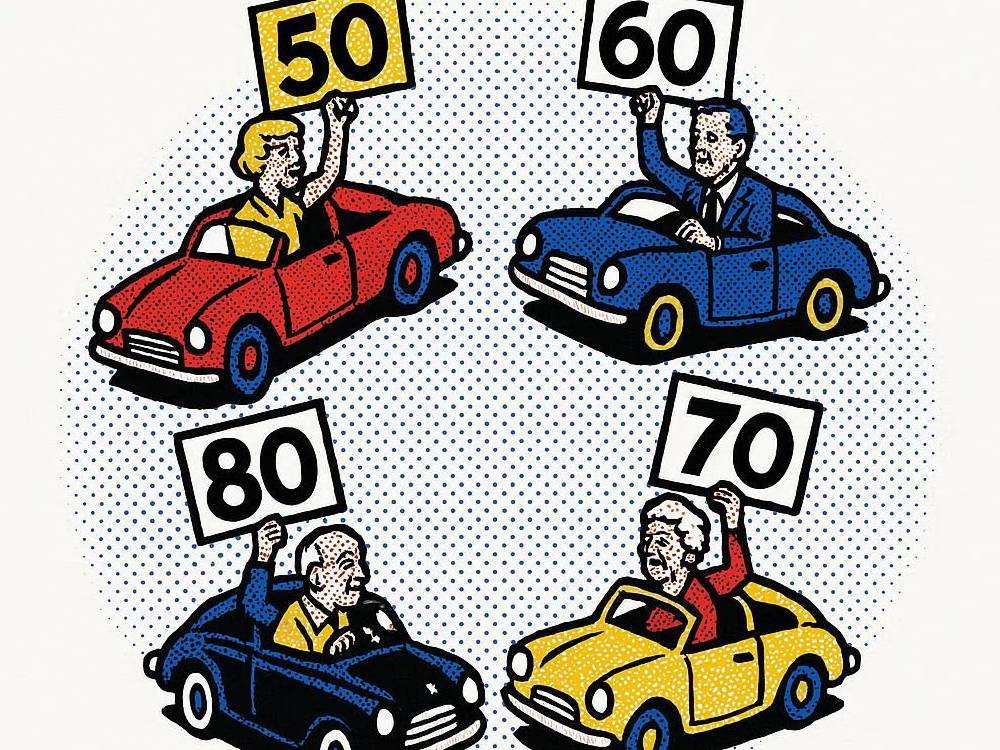
A poll of 2,000 drivers revealed that 36% want a maximum driving age.

That’s more than one in three.

But here’s where things get interesting.

11% said the cut-off should be 70.

8% said it should be 60.

And 5% believe the maximum age should be just 50.

That’s shockingly young, right?

Clearly, drivers are divided between safety and independence.

And this split mirrors the insurance market.

The more the public supports restrictions, the more likely insurers will prepare for change.

If you want to keep your policy affordable, don’t miss these 5 Ways to Save Money.

Realities Of Driving In Your 70s, 80s, And Beyond

But here’s the other side.

Millions of older drivers are still safe.

In 2020, around 5.6 million drivers over 70 were still on the road.

Many were confident, capable, and experienced.

And get this.

Some even continue driving into their 90s.

That’s right — your ability to drive doesn’t vanish with age.

Instead, it depends on health, awareness, and honesty.

This is where modern solutions like telematics come in.

By monitoring driving behaviour directly, insurers can separate safe older drivers from risky ones.

This means cheaper premiums for those who prove their skill.

Want to know how it works?

Here’s a guide on Telematics Car Insurance.

You should also explore how Your Credit Score plays a surprising role in your premiums.


How A Maximum Driving Age Would Impact Car Insurance

So what happens if a maximum age is introduced?

The impact on car insurance would be significant.

First, insurers would immediately adjust their pricing models.

However, this wouldn’t just affect older drivers.

Instead, the entire risk pool would shift.

Older drivers — already facing higher premiums — might be excluded entirely.

As a result, younger motorists could unexpectedly see costs rise.

Why?

Because insurers spread financial risk across all age groups.

Remove one group, and the balance breaks.

Therefore, the cheapest car insurance might become harder to secure.

On the other hand, safety improvements could push some premiums down.

It all depends on how regulators and insurers respond.

If you want to understand the maths behind premiums, see How Do Insurance Companies Calculate Car Insurance?.

In addition, you may find Temporary Car Insurance a useful option for short-term flexibility.

Balancing Safety, Freedom, And Affordability

So how do we strike the right balance?

On one hand, road safety must come first.

On the other hand, independence matters deeply for elderly people, especially those in rural communities.

Without a licence, they risk losing access to healthcare, family, and even daily essentials.

Therefore, the debate cannot be solved with one blunt rule.

Instead, experts suggest regular health checks and telematics solutions.

These tools allow safe older drivers to prove their competence.

If your circumstances change, remember that Switching Car Insurance could deliver immediate savings.

The Future Of Driving And Insurance In The UK

Looking ahead, the debate is only going to intensify.

Electric vehicles are becoming more common.

At the same time, self-driving technology is developing quickly.

As a result, insurers will need to adapt once again.

For elderly drivers, this shift could actually provide new opportunities.

In fact, advanced assistance systems may help compensate for slower reflexes.

Meanwhile, the rise of autonomous driving could reduce the need for licence restrictions altogether.

However, until these innovations become mainstream, the conversation about a maximum driving age will continue.

Therefore, the best move today is to stay informed.

Compare policies regularly.

And always search for the cheapest car insurance UK that fits your needs.

If you’re considering the switch to electric, see Car Insurance for Electric Vehicles.

Conclusion

So where does this leave us?

Currently, the UK has no maximum driving age.

However, public support and political debate suggest that changes could arrive sooner than many expect.

If a cut-off age is introduced, insurance costs will undoubtedly shift.

Older motorists could be excluded from cover.

Meanwhile, younger drivers might face higher premiums.

Therefore, the smartest strategy is to plan ahead.

By comparing policies, switching when necessary, and embracing new technology, you can still secure the cheapest car insurance.

For peace of mind, start with Cheap Car Insurance UK.


Want to explore more insights?

Here are some related guides worth reading:

What To Do If Your Car Is Stolen: A Complete Guide To Car Theft Insurance

Introduction

Car theft insurance….

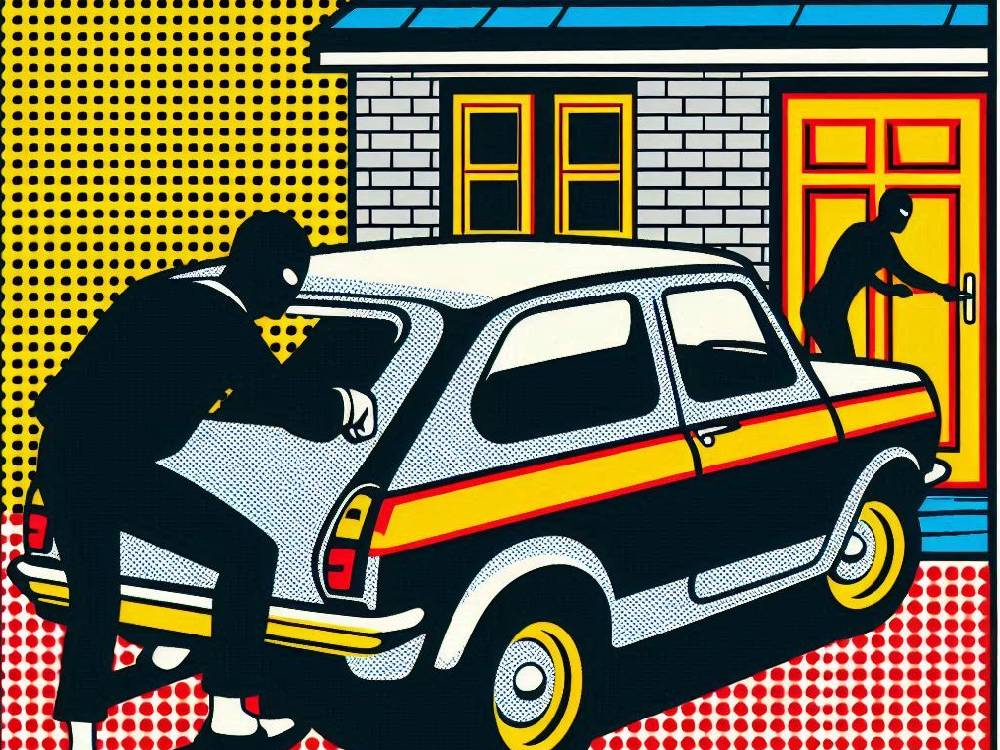
Someone stole your car.

Now what?

Due to a surge in vehicle-related crime, car theft is rising rapidly across the UK.

As a result, over 61,000 vehicles were stolen in 2024 alone, according to the DVLA.

That’s more than seven every hour.

But here’s the problem.

Most drivers only check their policy after their car disappears.

Don’t make that mistake.

What Is Car Theft Insurance?

Let’s clear this up quickly.

Car theft insurance pays for the value of your car if someone steals it or damages it during an attempted theft.

But not all policies include it.

If you’ve got comprehensive cover, you’re protected.

However, if you only pay for third-party or fire-only cover, you’re not.

Comprehensive insurance usually helps with:

  • Replacing your stolen car
  • Covering damage caused during a theft attempt
  • Providing a courtesy car while you wait

Read the fine print.

Every policy comes with its own rules, limits, and excess.

Not sure what kind of policy you’ve got?
Check this breakdown of comprehensive vs third-party cover.

What To Do Immediately If Your Car Gets Stolen

Don’t freeze.

Act fast.

First, report the theft.

Call 999 if it’s happening right now.

Otherwise, contact the police on 101 as soon as you notice the car is missing.

You’ll need to provide:

  • Vehicle make and model
  • Colour and registration plate
  • Where you last saw it

The police will give you a crime reference number.

Next, contact your insurer.

Start the claim process with your reference number in hand.

Many companies expect you to report the theft within 24 hours.

Time matters here.

Not sure your car’s even insured?
Use this guide to check your insurance status.

Does Your Insurance Actually Cover Theft?

This is where most people slip up.

Let’s break it down:

  • Comprehensive cover:
    Pays for theft and attempted theft
    Also covers vandalism or break-ins
    Usually includes repairs or replacement
  • Third-party only:
    Offers no protection if someone steals your car
    Only covers damage you cause to others
  • Third-party, fire and theft:
    May include theft
    Usually excludes belongings left in the car

If you’re unsure, check your documents today.

Don’t wait until something goes wrong.

Still comparing policies?
Here’s a smart breakdown of third party vs fully comp.

What Happens If Police Recover Your Vehicle?

Your car’s back.

Now what?

Once the police recover your car, they’ll send you a notice letter with further instructions.

That letter includes:

  • The recovery depot’s location
  • A phone number to book collection
  • Steps to follow before you arrive

But hold on.

Call your insurer first.

If they’ve paid out already, they might now own the car.

In that case, they’ll decide whether to collect it — or let you do so.

If they’ve taken the V5C logbook, you’ll need a written release letter from them before you can collect the car.

Don’t just show up.

Book an appointment with the recovery centre.

Take ID and check that the Vehicle Identification Number (VIN) matches your car.

If you can’t unlock the vehicle, you’ll need a locksmith on site.

Want to know how commercial policies?
Read this guide on what commercial cover includes.

Will My Insurance Cost More After a Theft?

Unfortunately, yes — in most cases.

Once you make a theft claim, your insurer sees you as a higher risk.

That label can stick with you for years.

Expect a noticeable jump in premiums when it’s time to renew.

But don’t just accept it.

Instead, shop around.

Many providers weigh risk differently, and some might offer better deals even after a claim.

Want to slash your renewal quote?

Follow these five proven ways to save money on car insurance.

Can I Get Insurance If My Car Was Previously Stolen?

Yes, but there’s a catch.

You can still get insured — even if your car’s been stolen before.

But here’s the deal:

Insurers may mark your vehicle as higher risk.

This could mean:

  • Fewer quotes
  • Stricter terms
  • Higher prices

Be honest about the car’s history.

Otherwise, you risk invalidating future claims by hiding past thefts.

Use a broker who compares dozens of providers to find the very cheapest car insurance.

You might pay a bit more — but you’ll still get covered.

Should I Consider Black Box Insurance?

Yes — if you’re looking to cut costs and stay protected from theft.

In fact, black box insurance monitors your driving using a discreet device fitted in your vehicle.

But that’s not all.

Many black box policies also include GPS tracking.

If your car gets stolen, this tech can help police find it faster — or recover it before serious damage happens.

In addition, driving safely can earn you steady discounts over time.

If you’re a careful driver, this could genuinely change the game.

Want to learn more?
Check out this full guide on telematics car insurance.

Conclusion

Even if you can’t stop a theft, you can still control what comes next.

Car thefts aren’t rare.

In fact, they’re alarmingly common.

But the difference between disaster and recovery lies in what you do next.

Remember:

  • Call the police straight away
  • Report the crime to your insurer quickly
  • Understand what your policy covers
  • And if you’re not covered? Change that.

Comprehensive policies offer the best protection — not just for your car, but for your peace of mind.

Still wondering what type of policy fits your situation?

Check out our expert breakdown of car insurance options.

Want to keep learning?

These guides dig even deeper:

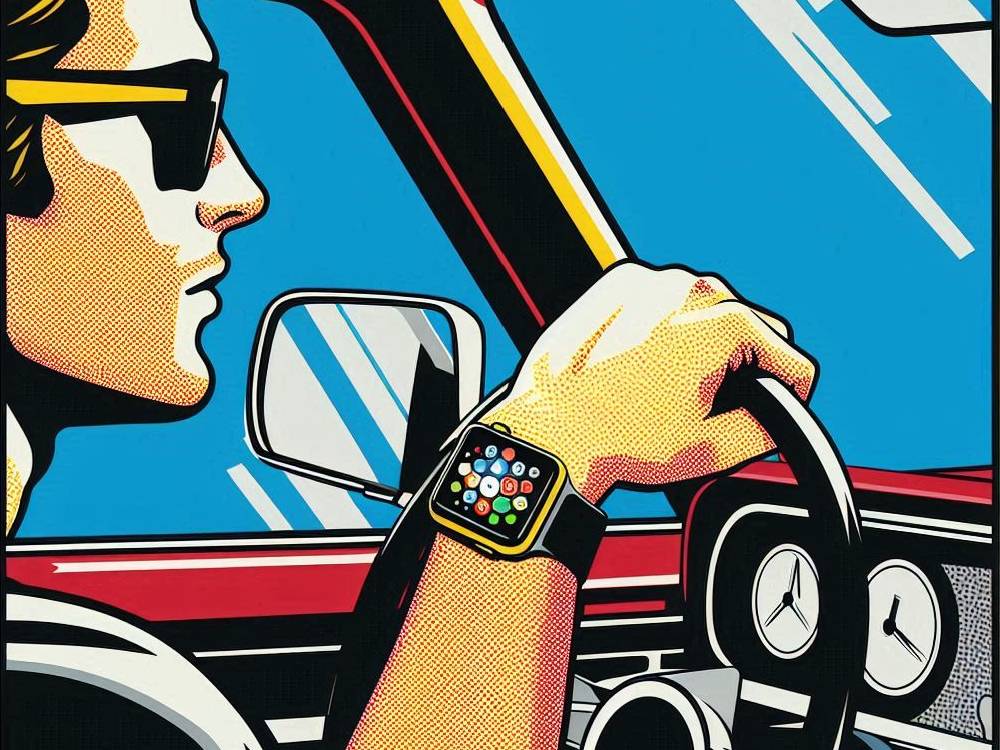
Smartwatch Crackdown: What That Device On Your Wrist Could Cost You

Introduction

“It’s only a smartwatch — what’s the big deal?”

Let’s not sugarcoat this.

That little screen on your wrist could cost you far more than you think.

In fact, it might be the most expensive accessory you’ve ever worn.

Here’s the reality:

As a result, the police won’t hesitate to fine you up to £1,000.

On top of that, you could quickly rack up six penalty points.

And if you’re not extremely careful, you could even find yourself losing your licence altogether.

It gets worse.

Because many UK drivers have no idea they’re even breaking the law.

And that’s where the danger really begins.

Why A Smartwatch Is The New Driving Danger

Let’s face it.

Phones used to get all the blame.

But now, smartwatches are silently becoming one of the biggest road risks in the UK.

Don’t believe it?

Consider this:

Back in 2020, only around 30% of Brits regularly wore a smartwatch.

However, by 2025, that figure has climbed significantly — reaching 37% and continuing to grow.

That’s a massive increase.

And more devices mean more drivers getting distracted behind the wheel.

But here’s the catch.

Surprisingly, many drivers have no idea they’re even doing anything wrong.

Instead of texting, they’re simply glancing at their wrist.

They’re not scrolling through apps or reading emails.

More often than not, they’re “just checking the time” — or casually swiping away a notification.

That’s exactly how it starts.

And that’s exactly why the law is clamping down.

According to Rule 149 of the Highway Code, you must stay in full control of your vehicle at all times.

So what does that actually mean?

In other words, if your smartwatch can send or receive data — and you choose to interact with it — then it’s treated exactly like a mobile phone under the law.

That’s not speculation.

That’s the law.

And yes, even looking at your watch briefly can get you into trouble.

What The Law Really Says About Smartwatch Use While Driving

Let’s be clear.

There’s no special law called “The Smartwatch Act.”

But you don’t need one.

Because existing distracted driving laws already cover it.

Here’s how it works.

If a device distracts you — even for a second — and you’re behind the wheel?

You’ve just committed an offence.

No grey area.

No wiggle room.

In fact, under UK law, any device you use with your hand that sends or receives data counts as a handheld communication device.

So yes — your Apple Watch, Fitbit, or Samsung Galaxy Watch all fall into that category.

Here’s What That Smartwatch Could Mean For You

  • You could be fined £1,000
  • You could receive six penalty points
  • You could lose your cheap car insurance overnight
  • And if someone gets hurt? You could be prosecuted for dangerous driving

And that’s not an exaggeration.

Several drivers have already faced serious charges for this exact reason.

Let’s not wait until it’s too late.

Why “Just Checking the Time” Isn’t an Excuse

You’re probably thinking:

“But I’m not texting. I just glanced at the time.”

That may seem reasonable.

But in the eyes of the law, it doesn’t matter.

What matters is whether your eyes left the road.

And if they did?

You could face the same penalties as someone holding a phone.

Let’s go deeper.

Swiping a notification might seem harmless, but it still counts.

Changing a track while driving? That’s no different in the eyes of the law.

And declining a call, even with a quick tap, is treated exactly the same.

You’ve still interacted with your device.

And the law treats that as a distraction.

Caught At The Lights? You’re Still Breaking the Law

This one shocks a lot of drivers.

You’re stopped in traffic.

The light’s red.

You glance at your watch.

No harm done, right?

Wrong.

UK law applies as long as your engine is running.

So even if your car isn’t moving, you’re still responsible for staying alert.

That means smartwatch use — even at a standstill — can get you penalised.

“The law doesn’t care whether your wheels are turning. It only cares if your eyes are not on the road.”

Still not convinced?

Then check out this breakdown of what will invalidate your car insurance.

Because if you’re caught using a smartwatch behind the wheel — your insurer could walk away.

Smartwatch Real-World Cases And Crackdowns

If you think this is just a scare story, think again.

Police across the UK have already started issuing fines for smartwatch use.

They’re not waiting for new laws.

They’re using existing ones to penalise distracted drivers — and they’re doing it aggressively.

What This Means For Your Car Insurance

Let’s not pretend this won’t follow you.

If you’re caught using a smartwatch while driving, the impact doesn’t stop with the fine.

It follows you straight to your car insurance renewal.

Here’s how.

Every endorsement on your licence gets flagged when you shop for insurance.

And guess what?

Penalties linked to distracted driving are considered high-risk behaviours by every major insurer.

That means higher premiums.

Fewer quotes.

And a long list of rejected applications.

In some cases, insurers may even cancel your policy — especially if you didn’t declare the conviction.

So while a smartwatch might seem small, it could cost you hundreds, or even thousands, on your next premium.

If you’re serious about finding the cheapest car insurance, you can’t afford to take that risk.

Insurers Are Watching — And Pricing Accordingly

Here’s something most drivers don’t realise.

Insurance companies don’t just look at your claims history anymore.

They use data-driven tools to analyse everything — from speeding points to smartwatch-related offences.

And the more tech you use behind the wheel, the more they worry.

Even minor offences raise red flags.

The logic is simple: If you’ve been distracted once, you might do it again.

And that means you’re more likely to cause an accident.

So when insurers assess your quote?

They price for that risk.

Which means your days of enjoying very cheap car insurance could vanish with a single wrist flick.

Want to know another factor that affects your price?

Take a look at how your credit score affects car insurance.

You might be surprised at what insurers really care about.

How To Protect Yourself And Keep Your Record Clean

Here’s the good news.

This risk is 100% preventable.

You don’t need to ditch your smartwatch completely — but you do need to change how you use it.

Start by putting your watch on aeroplane mode before driving.

Or enable do-not-disturb while you’re on the road.

Even better?

Just remove it before starting the engine.

Some drivers now treat their smartwatch like their phone — something they only touch when the engine is off.

And that mindset could save you thousands.

Better still, it could protect your eligibility for cheap car insurance for women, young drivers, and families.

If you drive professionally or have young drivers in your household, educate them too.

One careless habit can affect the entire policy.

It only takes one moment of distraction to undo years of careful driving.

Conclusion

The Silent Threat on Your Wrist

Smartwatches aren’t illegal by default.

But the moment they distract you, they become a serious liability.

And the consequences are real.

You’re risking:

  • A £1,000 fine
  • Six penalty points
  • Increased premiums
  • Loss of cover
  • And possibly even a driving ban

So what’s the takeaway?

Don’t wait until it’s too late.

Control your devices before they control your driving.

Your wallet — and your licence — will thank you.

If this article gave you a wake-up call, here are more must-reads:

Your Car May Be Crushed If You Miss The 14-Day DVLA Deadline

Introduction

Every UK driver needs to mark their calendars and set reminders for the DVLA’s crucial 14-day deadline.

If you miss this deadline, you could face more than just a hefty fine—it might result in authorities crushing your vehicle.

As regulations tighten, paying road tax on time is more crucial than ever.

Failing to comply could result in serious penalties.

Moreover, with consequences growing more severe, staying up to date on payments ensures you avoid unnecessary fines and legal issues.

Consequently, it is essential for every driver to ensure their payments are up-to-date to avoid significant penalties.

It’s essential for every driver to stay informed and punctual with their payments.

This proactive approach is crucial for avoiding significant penalties and ensuring compliance with the law.

But wait, there’s more.

Here’s what you need to know to keep your car safe and your wallet intact.

  • New DVLA regulations are catching out the unwary with steeper fines and harsher penalties.
  • If you miss a payment, you could face fines of up to £1,000, and authorities may impound or destroy your vehicle.
  • Easy compliance tips to help you manage your road tax obligations without stress.

The Stark Warning From DVLA

What happens next?

The Driver and Vehicle Licensing Agency (DVLA) has issued a stern warning to all vehicle owners:

The DVLA’s crucial 14-day deadline.

If you fail to pay your road tax on time, then you could face dire consequences.

Currently, over 98% of vehicles on UK roads comply with tax regulations, showing high adherence among drivers.

However, there remains a stubborn minority who neglect this duty, thereby risking severe penalties.

These penalties can include a hefty £1,000 fine or, in more extreme cases, having their vehicle crushed.

Consequently, this serves as a stark reminder to stay current with road tax obligations to avoid drastic consequences.

The crackdown is part of a broader initiative to recoup millions in lost revenue, funds that are crucial for public services.

Understanding The Risks Of Non-Compliance

Think that’s all? Think again.

Not adhering to road tax laws can lead to more than just financial penalties.

The government’s firm stance on road tax compliance helps deter tax evasion.

As a result, all road users contribute their fair share.

By enforcing these laws, the treasury secures essential funds to maintain and improve public infrastructure.

This benefits drivers and the entire community.

The DVLA’s Crucial 14-day Deadline: How To Ensure Your Vehicle Is Taxed

So, what’s the solution?

Taxing your vehicle has never been easier.

The DVLA offers convenient compliance options: 24/7 online service, telephone payments, or monthly Direct Debits.

There’s no excuse for missing a payment, as the process is quick and user-friendly.

With these easy options, every motorist can stay compliant without hassl

Road Tax Evasion: A Closer Look At The Numbers

But here’s the kicker.

Despite high compliance rates, evasion still poses a significant problem, costing the UK treasury millions each year.

These are not just lost funds; they’re missed opportunities to enhance the very infrastructure that drivers rely on daily.

The DVLA’s enforcement push is not merely punitive—it’s a necessary measure to secure vital public services.

Personal Stories Of Compliance And Consequence

Ready for a reality check?

The DVLA’s crucial 14-day deadline:

Consider the story of John, a Leeds-based driver who overlooked his road tax renewal amid the pandemic chaos.

Caught during a routine check, John faced a fine several times higher than the tax itself.

He was one of the lucky ones who managed to reclaim his vehicle before it was auctioned.

John’s tale serves as a sobering reminder of the importance of keeping vehicle documents up to date to avoid severe penalties.

Read more about Insurance here.

How Technology Identifies Untaxed Vehicles

Ever wondered how they catch you?

Technological advancements enable the DVLA and police to easily spot untaxed vehicles on UK roads.

Consequently, enforcement has become more efficient and effective.

With a simple online system, any road user can check the tax status of a vehicle by entering its number plate.

This transparency not only deters evasion but also simplifies enforcement, ensuring that all motorists pay their fair share.

The DVLA’s Crucial 14-day Deadline: Why Early Tax Renewal Makes Sense

Here’s a tip that could save you a bundle.

With the financial year ending soon, the DVLA allows vehicle owners to renew their road tax up to two months in advance.

Given the upcoming increase in road tax rates in April 2025, now is the perfect time to lock in the current, lower rate.

Renewing now allows electric vehicle owners to enjoy one last tax exemption cycle, potentially saving hundreds before new rates apply.

Renew now to secure the final tax exemption, potentially saving hundreds before new rates apply.

The Easy Road To Compliance: The DVLA’s Crucial 14-day Deadline

And it gets even better.

The DVLA has streamlined the vehicle taxing process, allowing you to update your tax status online in just minutes.

Whether you choose to pay annually or spread the cost monthly, the system is designed for your convenience.

Setting up a Direct Debit ensures your vehicle stays taxed on time.

This helps you avoid unnecessary fines and the stress of last-minute payments.

Conclusion

The DVLA’s Crucial 14-day Deadline

What’s the bottom line?

Keeping your vehicle taxed is easier than ever, and with severe penalties for non-compliance, it’s not worth the risk.

By using the DVLA’s flexible payment options, you can avoid hefty fines.

Staying vigilant with renewal dates also helps prevent your vehicle from being crushed.

Interested in more tips on how to navigate your car insurance and tax?

Check out our comprehensive guide on navigating car insurance costs and unlock the secrets to cheaper car insurance.


Should You Buy Breakdown Cover with Your Car Insurance?

Introduction

Did you know that most car insurance policies won’t cover a breakdown caused by wear and tear?

This is where breakdown cover comes in.

You can either add it to your car insurance policy or buy it separately from a third-party provider.

But which option is better for you?

When it comes to staying on the road, car insurance is essential.

Now, let’s dive in.

What Car Insurance Covers vs. Breakdown Cover

Most people assume that comprehensive car insurance covers everything.

In reality, it doesn’t.

Car insurance is designed to protect you in accidents.

It covers costs like vehicle repairs, third-party damages, and personal injury.

But breakdowns are a different story.

If your car won’t start due to wear and tear, insurance won’t pay for roadside assistance or towing.

This is why breakdown cover exists—to help you when your vehicle lets you down.

Only 10 out of 76 car insurance policies analysed this year included breakdown cover as standard.

Providers like NFU Mutual and M&S Premier offer more comprehensive policies, but they come at a premium.

If your current insurance doesn’t include breakdown cover, you’ll need to decide whether to add it on or purchase a separate policy.

Insurer vs. Third-Party Breakdown Cover

Here’s a common dilemma for drivers:

Should you buy breakdown cover through your car insurance provider or go with a third-party service like the RAC or AA?

According to our survey, 8% of drivers chose to bundle breakdown cover with their car insurance.

There are advantages to bundling:

It’s convenient and can save you from paying extra admin fees.

However, convenience isn’t everything.

Policies from third-party providers are often more comprehensive, offering features like unlimited callouts.

This isn’t always the case with insurance add-ons. Some insurers limit you to just one callout per year.

So, if you value peace of mind, shopping around for a standalone policy could be the smarter move.

Number Of Callouts Per Policy

How many callouts does your breakdown policy allow each year?

This is a key question to ask before purchasing cover.

Some providers, like the AA, offer only one callout per year when breakdown cover is added to car insurance.

This might be fine if your car is brand new and rarely gives you trouble.

But for older vehicles, you could quickly find yourself without support after just one incident.

In contrast, most third-party providers—including the RAC and Green Flag—offer unlimited callouts, except for a few, such as Aviva.

If reliability is a priority, it’s worth looking into these options.

Where You Are Covered

Picture this: your car won’t start—right on your driveway.

Many drivers don’t realise that basic breakdown cover might not help in this situation.

Some policies only provide roadside assistance if you’re more than a quarter of a mile from your home.

This is where Nationwide Recovery and Home Assistance come into play.

These services cover you no matter where your car breaks down, including right outside your house.

Planning to drive in Europe?

You’ll need European breakdown cover for full peace of mind abroad.

Interestingly, one of our Which? Recommended Providers offers nationwide and home recovery for less than £40 per year—a worthwhile investment if you drive regularly.

Vehicle vs. Personal Breakdown Cover

When buying breakdown cover, another crucial decision is between Vehicle and Personal cover.

Vehicle cover applies only to the insured car. It’s suitable if multiple people in your household drive the same car.

This type of policy can cover up to five named drivers.

But what if you own more than one car or occasionally borrow a friend’s vehicle?

That’s where Personal cover comes in.

It covers you no matter which car you’re driving or riding in.

For families with multiple cars, this option can be more flexible and cost-effective.

Service Quality And Reliability

Breakdowns are stressful enough without poor service.

You need a provider you can trust to show up when things go wrong.

However, not all car insurers operate their own breakdown services.

For example, Aviva partners with RAC, creating bespoke policies for their customers.

In a recent survey of 9,000+ drivers, we rated 15 third-party providers on response times, reliability, and overall customer satisfaction.

Providers like Green Flag and RAC scored highly for delivering quick, efficient service.

Before committing to a policy, it’s wise to check reviews to ensure you’ll get the help you need when you need it most.

Do You Already Have Breakdown Cover?

Here’s something many drivers overlook: you might already have breakdown cover.

Some packaged bank accounts include breakdown services along with other perks like travel insurance.

However, these accounts can be expensive.

The annual fees often exceed the cost of a standalone breakdown policy.

If you’re not using the additional benefits, paying for one of these accounts may not make financial sense.

Always check your existing policies before buying additional cover—you could save hundreds of pounds by avoiding duplicate services.

Conclusion

Breakdown cover is a critical part of protecting yourself on the road.

Since car insurance doesn’t cover breakdowns caused by wear and tear, you’ll need to weigh your options.

Should you add breakdown cover to your car insurance or buy a separate policy from a third party?

Bundling can save on admin fees but may limit your callouts and coverage options.

Standalone policies often provide unlimited callouts, better service, and more comprehensive coverage.

Make sure to compare features like callout limits, home assistance, and personal vs. vehicle cover.

And don’t forget to check if you already have cover through a packaged bank account or other service.

Ultimately, understanding your needs and options will help you avoid being stranded—and stuck with a hefty bill.

Want to learn more? Check out these helpful guides:


Car Insurance Quote

Step 1

Complete your quick and easy quote

Car Insurance

Step 2

Reveal your car insurance policies

Cheapest

Step 3

Pick your favourite and get instant cover