Car Insurance: What You MUST Do After A Bad Accident (UK Driver Survival Guide)

Introduction

What to do after a car accident.

A bad accident changes everything in seconds.

Because suddenly your heart races.

And your mind fogs.

Yet the decisions you make next really matter.

So this guide walks you through each crucial step.

And it helps you stay protected.

And it shows you how to keep control — even when the road falls apart.

What To Do After A Car Accident

You have one job in the first ten seconds.

Stay alive.

Because everything else is secondary.

But here’s where most drivers panic.

They forget the basics.

So let’s break this down calmly.

Move away from danger if you can.

Check your breathing.

Check anyone else’s breathing.

Call emergency services if anyone is hurt.

Then pause.

Here’s the twist.

Your insurer expects you to stay at the scene unless you are physically unsafe.

So slow down your thoughts.

Then take photos of everything.

The debris.

Road surface.

Traffic lights.

The inside of your car.

Get a wide shot.

Get a close shot.

Because this evidence becomes your strongest defence later.

Next?

Let’s keep going.

Swap details with the other driver.

Name.

Address.

Registration.

Insurer.

But avoid blaming anyone.

Avoid apologising.

Avoid admitting anything.

Those words can destroy your claim.

Finally, once you’re safe, tell your insurer what happened.

And yes — you must notify them even if you don’t plan to claim.

(Drivers forget this all the time.)

To stay fully protected, review your cover here:
Cheap Car Insurance Options

What To Do After A Car Accident — And When

Here’s where timing becomes everything.

Because if you delay contacting people, problems multiply.

First — the police.

You must report any injury, obstruction, or suspected crime.

This includes dangerous driving, uninsured driving, or intoxication.

You have 24 hours to do it.

Second — your insurer.

Call them the same day if you can.

Even a short delay can complicate your compensation.

But wait — there’s more.

Your insurer may also ask you to provide medical details, witness statements, dash-cam footage, or repair reports.

So keep everything.

Every scrap of information helps.

If you need prices that still stay low after reporting an accident, compare options here:
Very Cheap Car Insurance

What To Do After A Car Accident To Prevent Future Problems

Accidents change your policy.

And they change your premiums.

And they change how insurers see you as a risk.

Even so, you still have control.

Because not all accidents affect your payments equally.

If the accident wasn’t your fault, your premium may stay stable.

If it was your fault, you may lose some or all of your no-claims bonus.

However, even with a loss of NCB, you can still find Cheap Insurance.

It just requires strategy.

Now here’s something drivers rarely know.

Insurers categorise claims differently.

Some are high-impact (like collisions).

Others are low-impact (like windscreen damage).

Understanding the difference helps you stay ahead.

And if your car becomes too expensive to insure, you might explore lower-risk models listed here:
10 Cheapest Cars to Insure

Understanding Repairs, Write-Offs, And Courtesy Cars

This is where reality hits.

Your car may not survive the crash.

And insurers decide the outcome, not you.

They assess the damage.

Compare repair cost with vehicle value.

Consider safety categories.

And then they deliver the verdict — repair or write-off.

But here’s the problem.

Many drivers don’t understand Category S and Category N.

Category S means structural damage.

Category N means non-structural damage.

Both can be repaired, but resale value changes.

And your next insurer will want to know.

Meanwhile, you may receive a courtesy car.

But only if your specific policy allows it.

Every policy is different.

So always read the fine print.

If you need help finding policies designed for specific driver groups, explore this:
Cheap Car Insurance for Women

How To Protect Your Wallet After The Accident (Costs Add Up Fast)

Here’s a truth people learn too late.

Accidents drain your wallet long before insurers pay out.

You may face excess fees.

Towing charges.

Storage fees.

Temporary transport costs.

And, eventually, higher premiums.

But you can protect yourself.

Because small decisions now prevent big losses later.

One strategy?

Start reviewing money-saving options immediately.

And always check whether repairers are insurer-approved.

Because non-approved repairs can void your claim.

If you want to cut costs quickly, start with this guide:
5 Ways to Save Money on Car Insurance

Preventing Future Accidents (And Future High Premiums)

Most drivers only think about the accident behind them.

But the smart ones think about the next one too.

And that mindset changes everything.

Because safer driving doesn’t just protect your life.

It protects your bank account.

So what helps most?

Regular car maintenance.

Tyre checks.

Brake inspections.

Dashboard warning lights that you never ignore.

Even small habits lower risk.

Now here’s the part most people underestimate.

Telematics policies.

Black box insurance rewards good driving with cheaper premiums.

It tracks acceleration, braking, and cornering.

And insurers love that stability.

If you’re looking for ways to reduce long-term costs, explore this:
Switch Car Insurance

So what’s next?

Let’s take it a step further.

Modern driver-assist tech increases safety too.

Lane assist.

Speed limit recognition.

Collision prevention systems.

These features make you statistically safer, which means potentially cheaper cover.

And when you combine tech with safe habits, premiums fall faster than most drivers expect.

What To Do After A Car Accident Before You Move On

Final Critical Steps

This is the moment where clarity returns.

The crash happened.

Forms are filed.

Repairs are booked.

But your job isn’t done yet.

Here’s what most drivers forget.

You must track every repair update.

Check every detail of your policy renewal.

Review the new premium carefully.

Because insurers sometimes change things quietly.

And you shouldn’t discover surprises at the last minute.

Next?

Shop around.

Because staying loyal rarely gets you Cheap Car Insurance anymore.

In fact, switching is now one of the fastest ways to lower costs again.

Especially for younger motorists who are hit hardest after accidents.

For guidance tailored to new and younger drivers, you can visit:
Young Drivers Tips

Finally, store all documents securely.

Because future insurers may ask for accident details.

And accurate records save you stress later.

Conclusion

Staying Protected, Staying Smart

A serious accident shakes your confidence.

But it doesn’t have to ruin your finances.

And it doesn’t have to make future premiums impossible.

Because every decision you take — from the first phone call to the final repair update — shapes the outcome.

So stay calm.

Stay methodical.

Stay fully informed.

And remember this.

Even after a bad crash, you can still secure Cheap Car Insurance with the right strategy, the right information, and the right approach at renewal time.

You’re not powerless here.

You’re simply better prepared than most drivers on the road.

If you want to dive deeper into driving costs, accident rules, and smarter ways to protect yourself on the road?

You may also enjoy exploring guides like electric vehicle cover, telematics, and fully comp vs third-party policies —

all packed with practical insight for UK drivers. Start with these:

Car Insurance for Electric Vehicles,
Telematics Car Insurance,
Comprehensive vs Third Party.
Hybrid Hijack: Why These Cars Are Being Targeted And What It Means For Insurance

Introduction

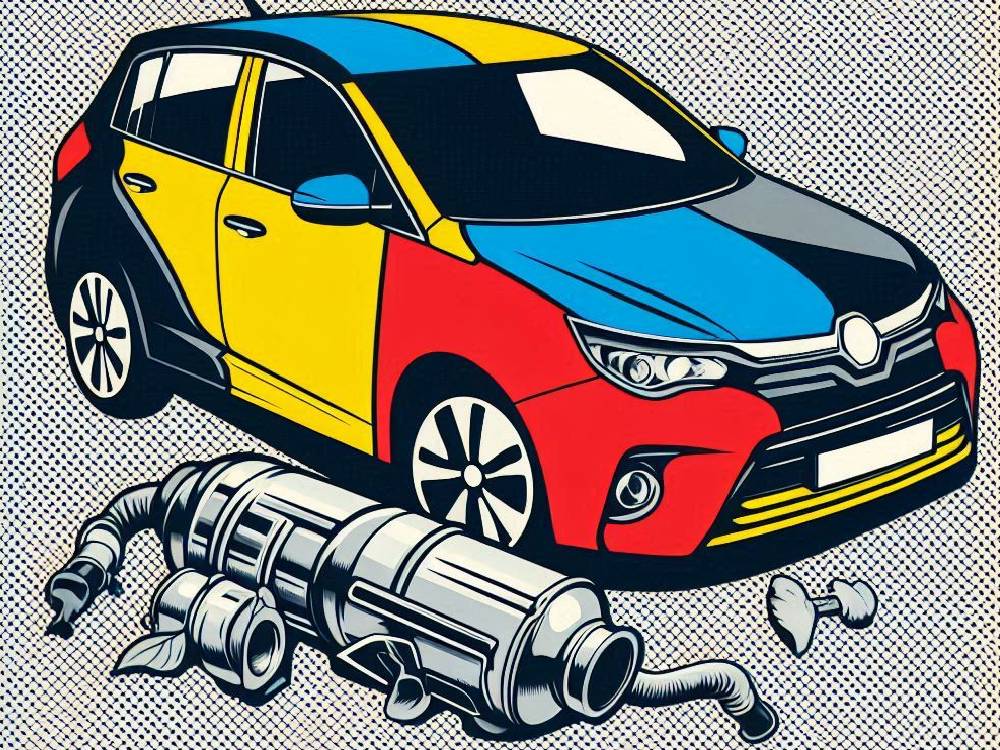
Catalytic converter theft in hybrid cars has skyrocketed in recent years.

In fact, it’s no longer just an urban myth — it’s a growing reality.

Moreover, this is a calculated and methodical crime that targets specific vehicles.

If you drive a hybrid, then unfortunately, you could be next.

Not only could it leave you with a hefty repair bill…

It could also wreak havoc on your car insurance.

So what’s really happening?

Here’s what you need to know:

  • Hybrid cars are prime targets for theft
  • Thieves focus on catalytic converters for resale
  • Toyota, Lexus, and Honda models dominate the hit list
  • Car insurance premiums may rise for affected drivers
  • There are smart ways to protect your vehicle
  • Check your policy to see exactly what it covers.

Why Hybrid Cars Are A Hot Target For Criminals

Criminals aren’t just smashing and grabbing at random.

They’re picking specific cars.

And seven out of the ten most-targeted vehicles last year were hybrids.

That’s not a coincidence.

It’s a pattern — and a profitable one.

So why hybrids?

Because they’re driven less in electric mode.

That means their catalytic converters are less corroded.

Less corrosion means more valuable metals like platinum, palladium, and rhodium.

And guess what?

Those metals are highly sought after.

Especially on the black market.

In other words:

Your Toyota Prius might just be more attractive to criminals than a Mercedes.

That’s a chilling thought.

The Most-Targeted Hybrid Models Revealed

Let’s get specific.

According to newly released data, here are the top models most likely to be targeted:

  • Toyota Auris
  • Lexus CT
  • Toyota Prius
  • Lexus RX
  • Honda Jazz
  • Mitsubishi Colt
  • Honda CR-V

Toyota Auris owners have it worst.

One in every 157 Auris cars had its catalytic converter stolen within 12 months.

That’s not just bad luck — that’s a trend.

Meanwhile, premium brands like Lexus are also suffering.

In fact, Lexus owners face the highest theft rate among any car manufacturer.

One in every 326 Lexus vehicles reported a catalytic converter theft.

Criminals are clearly targeting certain models over others.

And when they know what they’re doing, they can remove the part in under 90 seconds.

Fast.

Clean.

Quiet.

That’s what makes it so dangerous.

How This Affects Your Car Insurance Premiums

Let’s be blunt.

If your car is on that hit list, your insurance premium could go up.

Even if you personally haven’t had anything stolen.

Why?

Because insurers base premiums on risk — not just your driving habits.

If your model is getting hit over and over again, it becomes a red flag.

And red flags = higher quotes.

You may be wondering:

“What if I’ve always paid my premium on time? Shouldn’t that count for something?”

Unfortunately, loyalty doesn’t always protect your wallet.

That’s why it pays to shop around and compare quotes.

Especially if your vehicle is considered high-risk.

Here’s where you can explore cheap car insurance options that won’t punish you for owning a hybrid.

Does Your Policy Actually Cover You?

Most drivers assume they’re protected.

But many are in for a shock.

If you only have third-party cover, you’re out of luck.

Catalytic converter theft typically isn’t covered unless you’ve got comprehensive insurance.

Even then, not all policies are equal.

You’ll need to check the fine print — and fast.

Some insurers treat catalytic converter theft as a grey area.

Others make you jump through hoops.

The solution?

Make sure you’re covered before something happens.

Don’t wait until you’re stranded and fighting for a payout.

Here’s a full breakdown of comprehensive vs third-party insurance if you’re unsure what you currently have.

Actionable Security Tips To Deter Thieves

Let’s be honest.

You can’t control what criminals do — but you can make your car a tougher target.

For starters, avoid mounting the kerb.

Why? Because it gives thieves easier access underneath your vehicle.

Instead, whenever possible, park your car in a locked garage.

If that’s not an option, try parking near a wall or under a bright streetlight.

Now, here’s something worth doing immediately:

Install an alarm with a tilt sensor.

It’ll activate the moment someone tries to lift the car.

Additionally, mark your catalytic converter using SmartWater, paint, or etching.

This won’t stop the theft, but it makes resale harder — and tracking easier.

More importantly, these small upgrades may lower your insurance risk over time.

Many insurers reward proactive security with cheaper premiums.

If you’re looking for more ways to trim costs, check out these 5 ways to save money on your cover.

What To Do If Your Hybrid Catalytic Converter Is Stolen

Let’s say the worst has happened.

You approach your car… and something’s off.

It roars like a motorbike. Or it simply won’t start.

Here’s what to do next:

  1. Immediately call the police and get a crime reference number
  2. Take clear photos of the underside of your car and surrounding area
  3. Report the incident to your insurer as soon as possible
  4. Submit evidence including your reference number and photos

Without delay, your insurer will begin the claims process.

However, not all policies cover this type of theft.

If you haven’t read the small print, you might be left footing the bill.

Therefore, it’s vital to confirm your level of cover today — not tomorrow.

Still unsure what you’re insured for?

Use this quick guide on how to check if your car is insured.


Conclusion

Final Thoughts:

Prevention Is Cheaper Than Claiming

Here’s the truth:

Hybrid cars are magnets for theft — and thieves are becoming faster, bolder, and more selective.

Nonetheless, you’re not helpless.

You can deter criminals with smart parking habits and security add-ons.

You can stay protected with a robust insurance policy.

And you can avoid panic by preparing before anything happens.

Furthermore, you don’t have to stick with an outdated policy.

Switching insurers could give you better cover and peace of mind.

Don’t wait for a theft to make you act.

Instead, take control today and switch your car insurance on your own terms.

Because when prevention becomes your default, payouts become the exception.


Want to take your knowledge even further?

Here are some must-read articles that help you avoid nasty surprises:

These guides cover more than just price —
they help you stay ahead of risk in a changing insurance landscape.


Car Insurance Costs Fall, But London Drivers Still Pay The Most

Introduction

London drivers still pay the most.

Car insurance prices are finally falling across the UK—but not for everyone.

While the national average has dropped from £885 to £769, drivers in London are still paying over £1,100 per year.

Why?

High crime rates, traffic congestion, and postcode-based pricing keep London premiums sky-high.

But there’s more to the story.

Let’s dive in.

Why Are Car Insurance Prices Falling?

After a sharp rise in 2023, many UK drivers are now seeing lower premiums.

But what’s behind the decline?

1. Insurers Are Adjusting Their Pricing Models

Last year’s price hikes were unsustainable. Insurers increased premiums due to inflation, rising claims, and supply chain issues.

Now, as supply chains stabilise and insurers reassess their risk calculations, prices are correcting.

2. Fewer Claims, Lower Risk

Safer cars, wider use of telematics policies, and improved driver behaviour have led to fewer insurance claims.

Fewer claims = lower risk for insurers = cheaper policies for drivers.

3. More Competition Among Insurers

As more insurance providers fight for customers, they’re offering better deals.

Comparison sites are also driving down prices, with motorists switching to cheaper policies more frequently.

4. Government & Industry Regulations

New industry rules have forced insurers to price renewals fairly, preventing excessive premium hikes for existing customers.

Why Is Insurance For London Drivers Still The Most Expensive?

If car insurance costs are dropping, why are Londoners still paying the most?

1. High Crime Rates Drive Up Costs For London Drivers

London has some of the UK’s highest rates of car theft, vandalism, and fraud.

Insurers factor in postcode-based crime rates when calculating premiums.

High-risk areas = higher premiums.

2. More Accidents in Congested Areas For London Drivers

London’s roads are packed with stop-start traffic, increasing the risk of accidents, whiplash claims, and minor collisions.

Insurers see London as a higher-risk region, leading to costlier premiums.

3. Expensive Repairs for London Drivers in the Capital

Labour costs in London are significantly higher than in other regions.

If you need repairs after an accident, garages charge more, pushing claim costs up—which in turn raises premiums.

4. Postcode-Based Pricing Models For London Drivers

Even within London, insurance prices vary by postcode.

Drivers in areas like East London (with higher crime rates) pay far more than those in more affluent, low-crime neighbourhoods.

How Do Other UK Regions Compare?

London isn’t the only expensive place for car insurance.

Most Expensive Regions (After London)

West Midlands (£800+) – Birmingham has high accident and crime rates.
Yorkshire & North West (£780+) – Urban areas like Manchester and Leeds push up costs.

Cheapest Regions for Car Insurance

South West England (£566 avg) – Fewer claims, low crime, and less traffic congestion keep costs low.
Scotland & Wales – Generally cheaper due to lower population density and fewer high-risk postcodes.

Predictions for 2025: Will Prices Continue to Fall?

Lower premiums are a welcome relief, but will they last?

1. Repair Costs Are Still Rising

Although insurance prices are falling now, repair costs continue to climb.

For instance, inflation is making parts and labour more expensive.

As a result, insurers may have to increase premiums again to cover these growing expenses.

At the same time, extreme weather events—such as flooding, storms, and snowfall—are becoming more frequent.

Because of this, insurers are paying out more claims for flood-damaged and written-off vehicles.

If these weather trends worsen in 2025, premiums could start rising again in affected regions.

Meanwhile, as more people continue working from home, driving patterns are shifting.

If fewer people commute daily, accident rates may decrease further, keeping insurance costs low.

On the other hand, if traffic levels return to pre-pandemic levels, insurers could adjust pricing accordingly.

4. Regional Price Gaps Will Remain For London Drivers

Even if prices drop nationally, regions with higher risks—such as London, Birmingham, and Manchester—will still face above-average premiums.

For this reason, motorists in these areas shouldn’t expect major reductions anytime soon.

Bottom line?
Although UK drivers are benefiting from lower insurance prices now, several factors—including rising repair costs, extreme weather, and shifting driving patterns—could cause prices to fluctuate in 2025.

How to Keep Your Car Insurance Costs Low

Even if insurance prices go up again, there are several ways to keep your costs as low as possible.

1. Always Compare Quotes Before Renewing

Many insurers increase renewal prices without offering customers better deals.

Instead of automatically accepting your renewal quote, compare prices to find a cheaper alternative.

👉 Compare car insurance options

2. Update Your Policy Details Regularly

Believe it or not, minor details—such as your job title, annual mileage, and overnight parking location—can affect your premiums significantly.

By keeping your policy information up to date, you can ensure you’re not overpaying.

3. Consider a Telematics (Black Box) Policy

If you’re a careful driver, a black box policy could help you save even more.

Since these policies track your driving habits, insurers reward you with lower premiums if you drive safely.

👉 Telematics car insurance explained

4. Avoid Modifications That Increase Premiums

Adding custom alloys, tinted windows, or spoilers might make your car look great, but these modifications can drive up insurance costs.

In some cases, they can even invalidate your policy if not declared properly.

👉 Should you declare car modifications?

5. Pay Annually Instead of Monthly

If you can afford it, paying your insurance in one lump sum is far cheaper than spreading payments out monthly.

This is because monthly payments include interest charges, which add up over time.

6. Build Your No-Claims Discount (NCD)

Another way to significantly reduce your premiums is by building your no-claims discount.

The longer you go without making a claim, the bigger your discount will be.

Additionally, some policies allow you to protect your NCD for a small extra fee, which may be worth considering.

Conclusion

Right now, many drivers across the UK are finally seeing some relief, as insurance premiums continue to fall.

However, for London Drivers, prices remain frustratingly high.

So, what does the future hold?

Although current trends suggest further declines, rising repair costs, climate-related claims, and changes in driving habits could cause prices to increase again in 2025.

That’s why taking control of your insurance costs is more important than ever.

If you want to keep your premiums low, remember to:

Compare quotes before renewing
Keep your policy details up to date
Consider a black box policy
Avoid unnecessary modifications
Build your no-claims discount

By following these strategies, you can maximise your savings, no matter where you live.


Navigating New Roads: Key 2025 Changes for Drivers Over 70

Drivers over the age of 70 face a landscape of changes.

This could significantly impact their driving freedoms and responsibilities.

From potential alterations in licence renewal processes to adjustments in vehicle taxation.

Staying ahead of these changes is not just about compliance.

It’s about ensuring continued independence and safety on the roads.

But here’s the kicker:

Here’s what you need to know:

Licence Renewal Changes For Drivers Over 70

Right now, drivers who turn 70 must renew their driving licence every three years without a test.

But that could soon change.

Here’s why:

The Department of Transport is considering proposals that would increase the scrutiny involved in these renewals.

Furthermore, this might include medical checks or even driving assessments.

Consequently, aiming to ensure that as drivers age, they remain capable of driving safely.

Drivers Over 70 May Face Driving Assessments

There’s growing pressure to introduce more regular and thorough driving assessments for older motorists.

Did you know?

Statistics indicate that older drivers are less likely to be involved in speed-related accidents.

However, their involvement in crashes due to poor observation is notably higher—38% greater than that of younger drivers.

Moreover, the Older Drivers Forum has been advocating for regular reviews.

Additionally, these reviews could help prevent these types of accidents.

This could lead to a safer driving environment for everyone.

Car Tax Changes

April 2025 is set to bring a sharp increase in Vehicle Excise Duty (VED) for petrol and diesel cars.

This will affect older drivers significantly.

Wait until you hear this:

The first-year fees for new cars will see the most substantial hikes.

Particularly punishing those driving higher-emission vehicles.

Therefore, some drivers face an increase of up to £2,745.

This change could force older individuals to reconsider the sustainability of owning a car.

Especially if they are on a fixed income.

Health Assessments

The proposal for mandatory eyesight and cognitive tests is gaining traction.

This reflects growing concerns about the abilities of older drivers to stay safe on the road.

Here’s the deal:

Experts highlight that approximately 10% of drivers over 70 suffer from poor vision.

This statistic underscores the urgency of implementing these tests.

Additionally, the initiative aims to detect deterioration in cognitive abilities and eyesight early.

Early detection can prevent serious consequences.

Thus, reducing impairments not only enhances individual safety but also road safety for all.

Ultimately, regular testing could become a routine part of the licence renewal process.

This change could revolutionise our approach to driver competence in later life.

Insurance Adjustments

Demographic trends indicate an increase in the population of older drivers.

Consequently, the insurance industry is reevaluating risk assessments associated with this group.

With the potential for higher rates due to perceived increased risks, many seniors could face daunting premium hikes.

But wait, there’s more:

A petition is challenging these practices.

It highlights the financial burdens unfairly placed on older drivers.

Moreover, the petition argues for fair treatment in insurance offerings.

Many drivers over 80 are unfairly refused affordable insurance options.

As a result, these older drivers could face significant financial strain.

Regulations must adapt to accommodate the growing number of senior drivers.

Furthermore, insurers need to adjust policies.

They should reflect actual risks rather than age-based assumptions.

Conclusion

As the driving population ages, understanding and preparing for these shifts is imperative.

Therefore, staying informed about developments is crucial for older drivers and their families.

They must actively engage with processes affecting their driving privileges.

Moreover, proactive understanding and adaptation to new regulations can ensure continued independence and safety on the roads.

Additionally, Age UK and similar organisations provide support and advocacy.

They offer resources to help navigate these changes.

Finally, for more insights and detailed advice, visit our guides at Cheap Car Insurance.

Remember, staying informed and engaged is key.

It ensures compliance, safety, and independence as we age.

Speeding Offences In England And Wales Hit All-Time High

Introduction

Speeding offences in England and Wales have skyrocketed, reaching record-breaking levels in 2023.

A staggering 2,324,542 speed-limit breaches were recorded last year alone, marking a 10% rise compared to the year prior.

But what does this mean for drivers? And how does it impact your car insurance premiums?

Let’s explore.

  • Record-breaking statistics: Speeding offences hit an all-time high in 2023.
  • Regional and seasonal trends: Offences peak in summer and vary by location.
  • Insurance impact: Speeding can drastically increase premiums.
  • Enforcement measures: Cameras and on-road policing play critical roles.
  • Driving responsibly: Learn how to protect your wallet and your licence.

Record-Breaking Speeding Offences 

In 2023, police forces across England and Wales documented an alarming 2,324,542 speeding offences.

This figure represents a 10% increase compared to 2022 and is the highest since comparable records began in 2011.

Interestingly, while the number of cars on the road has grown steadily, the rise in speeding offences has outpaced this growth.

What’s causing this surge?

Experts point to several factors, including increased use of speed enforcement technology and lower tolerance for speeding violations.

Speeding peaks seasonally, too. June 2023 saw a shocking 223,029 recorded offences—far more than December’s 159,179 breaches.

Drivers, take note: understanding these trends is key to avoiding penalties.

Related Read: Mandatory Speed Limiters

Regional Variations In Speeding

Did you know London’s data isn’t included in the national statistics?

The Metropolitan Police uses a separate system, but its figures tell a worrying story.

In 2023, the Met recorded 390,403 instances of speeding—up 3% from the year before and nearly triple pre-pandemic levels.

One key reason?

The reduction of speed limits across the capital has, therefore, caught many drivers off guard.

As a result, this has ultimately led to a noticeable spike in violations.

Elsewhere, regional differences reflect varying enforcement levels.

While rural areas may rely more on speed cameras, urban zones benefit from a stronger police presence.

Explore: Driving in Europe – Insurance Warning

The Impact On Car Insurance

Speeding doesn’t just affect your licence—it impacts your wallet, too.

Insurance providers view speeding violations as a major red flag.

Drivers with speeding records often face higher premiums, as they are considered higher-risk clients.

And it’s not just one or two speeding tickets that make a difference.

A consistent pattern of violations can lead to astronomical costs, even with otherwise clean records.

In 2023, speeding accounted for a staggering 86% of motoring offences that resulted in fixed penalty notices.

Among these:

  • 51% ended with driver retraining (e.g., speed awareness courses).
  • 36% led to fines.
  • 13% resulted in court action.

To avoid inflated premiums, it’s crucial to stay within legal limits.

Learn More: What Will Invalidate Your Car Insurance?

Enforcement Measures And Road Safety Technology

Speed cameras and advanced technology are reshaping how speeding is detected and penalised.

Fixed speed cameras, mobile units, and average speed checks are more prevalent than ever, leaving little room for error on the roads.

The AA’s head of roads policy, Jack Cousens, highlighted the importance of these tools in improving road safety.

But there’s a catch.

While cameras are effective, they lack the deterrent effect of visible police patrols.

Drivers tend to modify their behaviour when they see police cars on the road—a form of enforcement technology can’t replicate.

To strike a balance, experts recommend increasing on-road policing alongside the continued use of automated systems.

Ultimately, this dual approach could reduce speeding offences while ensuring safer roads for everyone.

Must-Read: The Dash Cam Mistake That Could Cost You

Why do speeding offences spike in the summer?

Longer daylight hours, better road conditions, and increased holiday travel often tempt drivers to push the speed limits.

June 2023, for instance, recorded the highest number of speeding offences, highlighting the seasonal trend.

On the other hand, winter months like December see fewer offences, likely due to adverse weather conditions making drivers more cautious.

But behavioural factors also come into play.

Many drivers underestimate how easily small distractions or overconfidence can lead to violations.

Adopting defensive driving habits, particularly during peak seasons, is a practical way to avoid trouble.

Speeding is not just about penalties—it’s about safety, for you and everyone else on the road.

Helpful Guide: Young Drivers – Risks and Ways to Save on Costs

Conclusion

The record-breaking speeding offences in England and Wales last year are a stark reminder of the importance of responsible driving.

Beyond the penalties, these violations significantly impact car insurance costs, often leading to higher premiums or stricter conditions.

While enforcement measures like speed cameras and on-road policing are vital, the responsibility ultimately falls on drivers to obey speed limits and prioritise safety.

Want to explore more ways to save on car insurance? Check out these helpful guides:


Save £1,500 on Car Insurance with This Simple Dashboard Change

 Introduction

Drivers Can Save £1,500 on Car Insurance by Agreeing to a ‘Dashboard Change’

With the ongoing squeeze in living costs, UK drivers are continuously searching for ways to cut down on expenses—car insurance being a significant one.

Introducing black box insurance, a technology-driven solution that not only promotes safer driving but also potentially offers substantial savings on insurance premiums.

But why should you care?

Here’s what you need to know about black box insurance and how it could benefit you:

  • Understanding the basics of black box or telematics insurance
  • How this technology lowers premiums and enhances vehicle security
  • The straightforward installation process
  • The potential savings and rewards for safe driving
  • Key considerations and suitability for different drivers

What Is A Black Box?

Curious? Let’s dive deeper.

A black box, often associated with aircraft, is essentially a small electronic device, about the size of a mobile phone, fitted discreetly in your vehicle.

Despite its compact size, this device is powerful enough to capture a wide range of data via satellite technology.

From monitoring your driving speed to how sharply you brake or take turns, a black box records various driving behaviors that are crucial for your insurance provider.

Dashboard Installation And Integration

Thinking about installation?

Installing a black box is a simple and non-invasive process.

A professional technician provided by your insurance company will typically install the device either behind the dashboard or connected directly to your car’s battery.

This ensures that the black box remains out of sight and does not interfere with the car’s aesthetics or functionality.

Data Recorded And Usage From Your Dashboard

What exactly does it record?

The data collected by the black box includes:

  • The times of day or night you drive
  • Speed, braking, and acceleration patterns
  • Cornering styles and the type of roads you frequent

This information is automatically transmitted to your insurer, helping them gauge your driving habits.

The safer you drive, the more favorable your insurance premiums could be.

Insurance Incentives

What’s in it for you?

Many insurers offer immediate premium discounts to drivers who agree to install black boxes on their dashboard.

Some even review and adjust your premiums quarterly or more frequently, depending on the driving data received.

This dynamic pricing model means that if you consistently display good driving behavior, you could see ongoing reductions in your insurance costs.

Impact On Premiums And Policies

Still skeptical?

The impact of a black box on your insurance premiums can be significant.

By allowing insurers to assess risk more accurately, premiums are no longer just based on statistical averages but on actual driving behavior.

For young or inexperienced drivers, who typically face higher rates, adding this to your dashboard can translate into substantial savings.

Conversely, if the black box data shows risky driving patterns, your premiums could increase.

Benefits And Downsides Of Black Box Insurance

Why go for black box insurance?

Interestingly, black box insurance isn’t just about saving money—it also comes with added benefits that enhance your overall driving experience and vehicle security.

  • Benefits:
    • Potential for substantial savings: Notably, as mentioned, careful drivers can significantly reduce their premiums.
    • Enhanced security features: Moreover, vehicle tracking capabilities improve the likelihood of recovering a stolen vehicle and can provide crucial data in the event of an accident.

But what’s the catch?

  • Downsides:
    • Privacy concerns: Importantly, some drivers might feel uneasy about their driving being constantly monitored.
    • Restrictions on driving habits: Furthermore, high mileage drivers or those who prefer to drive at night might find these policies restrictive.

Who Stands To Benefit The Most By Changing Your Dashboard?

Is this right for you?

Primarily, young drivers and those new to the road often face steep insurance premiums due to their perceived risk.

Black box insurance offers a fairer way to assess their premiums based on actual driving behavior rather than statistical averages.

Additionally, more experienced drivers who are confident in their driving skills could also see benefits, as their good habits are directly rewarded with lower premiums.

What Should You Consider Before Opting In?

Still undecided?

It’s crucial to weigh the potential savings against the possible limitations.

Consider how you use your vehicle, your privacy concerns, and whether the benefits align with your driving habits.

Conclusion

In conclusion, transitioning to the main point, black box insurance presents a compelling option for those looking to reduce their car insurance costs.

It rewards safe and responsible driving with potentially lower premiums while offering additional security for your vehicle.

However, it’s important to consider both the benefits and the limitations before making a decision.

Curious to learn more?

Interested in exploring more about car insurance options? Delve into our other resources:

Each link provides further insights and helpful tips on navigating the complexities of car insurance in the UK, ensuring you make the best choice for your needs.


Car Insurance For High-Risk Occupation

Introduction

Your occupation significantly influences your car insurance premiums.

Work in a high-risk job, and you may face higher car insurance costs.

This article delves into why your job affects your car insurance premium, which jobs insurers consider high or low risk and practical tips to manage these costs effectively.

  • Why your job affects car insurance premiums
  • Occupations that qualify for cheaper insurance
  • High-risk jobs and their impact on premiums
  • Tips for managing insurance costs for high-risk jobs

Why Occupation Affects Car Insurance

Insurers assess risk in various ways.

One major factor involves your occupation.

They believe your job provides insights into your driving habits.

For instance, if you work as a delivery driver, you consequently spend more time on the road, thereby increasing your risk of accidents.

Conversely, a librarian faces a lower risk due to spending significantly less time driving.

Some jobs clearly favor insurers.

Secretaries, teachers, and medical professionals often receive lower premiums.

Why?

These jobs, for the most part, involve stable and less risky driving behavior.

As a result, occupations like these generate fewer claims and lower-cost settlements.

However, not all jobs receive favorable views from insurers.

For example, high-risk jobs include circus workers and Premier League footballers.

These occupations pose risks, either due to lifestyle or frequent travel.

Moreover, sometimes outdated or stereotypical reasons influence these perceptions.

Nevertheless, insurers utilise this information to determine your premiums.

Additionally, several other factors influence your car insurance costs.

For instance, where you live, your age, and the type of car you drive all play significant roles.

Furthermore, driving history and the car’s usage also impact the premium.

Low-Risk Occupation

Low-risk jobs often lead to cheaper car insurance.

Why?

Insurers perceive these professions as less likely to file claims.

Secretaries, personal assistants, and clerical workers fall into this category.

These jobs involve responsible, careful driving.

Local government employees, librarians, and teachers also benefit.

Insurers view them as reliable and low-risk.

Management professionals and judges usually receive favorable rates.

Their jobs suggest stability and lower risk on the road.

For example, a librarian typically has a low-risk profile.

Minimal and cautious driving leads to fewer claims.

This perception helps keep premiums low.

For more ways to save money on your car insurance, check out 5 Ways to Save Money.

Case studies show how different occupations affect premiums.

A teacher might pay significantly less than a circus performer, despite similar driving records.

Understanding this helps you manage car insurance costs better.

For additional information on affordable car insurance options, visit Car Insurance Options.

High-Risk Occupation

High-risk jobs often result in higher car insurance premiums.

Why?

Insurers consider these occupations risky due to various factors.

For instance, circus workers, Premier League footballers, and fairground workers fall into this category.

Additionally, frequent travel and unpredictable schedules contribute to this perception.

Furthermore, jobs involving high physical activity or performance under pressure raise concerns.

Insurers see these factors as increasing the likelihood of accidents or claims.

You might wonder, what can you do if your job falls into a high-risk category?

Tips For Managing Car Insurance Costs

First, describe your job title accurately yet creatively.

For example, a journalist who primarily works at a desk can call themselves a sub-editor or writer.

Always remain truthful, as inaccuracies can invalidate your insurance.

Second, consider how you use your car.

If you don’t use your car for work or commuting, inform your insurer.

This information can lower your premium significantly.

Third, limit your annual mileage voluntarily.

But be careful not to underestimate, as exceeding your declared mileage can lead to complications.

Need more advice?

Connect with professional associations or trade unions related to your job.

They might have negotiated special rates with insurers, which can help mitigate high-risk perceptions.

Lastly, never settle for the first quote you receive.

Always compare quotes from multiple insurers.

This strategy ensures you find the best possible rate despite your job’s risk level.

For comprehensive guidance on this, see our article on Comparing Car Insurance Quotes.

Visit Telematics Car Insurance for options that might suit your driving habits better.

Conclusion

Understanding how your occupation affects car insurance premiums empowers you to manage costs better.

Whether you work in a low-risk or high-risk job, there are strategies to reduce your premiums.

By accurately describing your job, limiting car usage, and comparing quotes, you can find affordable car insurance.

Remember, your job is just one factor.

Many elements contribute to your overall insurance costs.

For more tips on reducing car insurance costs, explore our related blogs:


Over 65? Slash Your UK Car Insurance Costs Now!

Introduction

In the current economic climate, car insurance rates are climbing, notably impacting UK drivers aged 65 and older.

This demographic faces a particularly sharp increase in premiums, sparking an urgent call for awareness and action among senior motorists.

But why should this matter to you?

This article delves into the reasons behind these rising costs and offers practical advice for managing them effectively.

  • Rising Insurance Premiums: Understanding the surge in costs affecting elderly drivers.
  • Statistical Insights: Highlighting significant percentage increases in premiums for those aged 65-79.
  • Cost-Saving Strategies: Tips for comparing rates and finding better insurance deals.

What can you do about it?

  • Risks of Basic Coverage: The pitfalls of opting for ‘essentials’ car insurance policies.

Ready to find out more?

  • Expert Recommendations: Guided advice from industry professionals on navigating the insurance landscape.

The Current State Of Car Insurance Premiums

Car insurance premiums across the UK have been on an upward trajectory, with elderly drivers feeling the brunt of these increases.

Did you know?

Research indicates that insurance costs have surged more than £100 year-on-year.

This rise is attributed to insurers facing higher claim payouts, compounded by the aging population’s vulnerability to accidents.

Disproportionate Impact on Drivers Over 65

Drivers between the ages of 65 and 79 have experienced a notable 26% rise in car insurance premiums.

This increase is significantly higher compared to other age groups, underscoring a worrying trend that could affect seniors’ ability to maintain affordable coverage.

Why does this matter?

It’s crucial for these drivers to understand the factors at play and seek ways to mitigate the financial burden.

Learn how age affects your car insurance rates.

Why Premiums Are Skyrocketing

The escalation in premiums can largely be traced back to insurers adjusting rates to cover the increased cost of claims.

But here’s the kicker:

Elderly drivers, often perceived as high-risk due to slower reflexes and higher likelihood of health-related issues affecting their driving, are seeing steeper increases.

This demographic adjustment is a reflection of the risk assessment that insurers continually update based on claim statistics.

Strategic Renewal Advice for Drivers Over 65

Here’s a tip:

One of the most effective strategies for elderly drivers to combat rising costs is to shop around for insurance.

Loyalty does not always pay off, and with the renewal season approaching, comparing prices can lead to significant savings.

Curious how?

Websites like cheapcarinsurance.co.uk offer comprehensive comparisons that help seniors find the most suitable and cost-effective options.

Find tips on switching car insurance.

Comparative Analysis of Recent Premium Changes

The spike in insurance costs reached a peak in November 2023 when the average annual premium hit £951.

However, a recent shift shows a slight decline, with average rates dropping to £850 in the last month.

But wait, there’s more:

This 9% decrease, though a relief, still doesn’t compensate for the overall upward trend.

Such fluctuations highlight the importance of staying informed and proactive in managing insurance expenses.

See the historical trends of car insurance rates.

So, while the rise in car insurance premiums is a challenge for all drivers, elderly motorists face particularly steep increases.

Still wondering what you can do?

Understanding these trends and knowing how to navigate the insurance market can help mitigate the impact on personal finances.

What’s next?

We will explore cheaper ‘essentials’ policies and the importance of transparency in what these plans cover and exclude.

Risks of Cheap ‘Essentials’ Policies

Economic pressures are tempting insurers to offer budget-friendly ‘essentials’ policies.

But what’s the catch?

These policies often exclude critical coverages like windscreen protection and key theft, leaving drivers vulnerable.

Furthermore, cheaper car insurance might seem like a good deal at first glance, but the absence of comprehensive coverage can lead to significant out-of-pocket costs in the event of an accident.

Discover the risks of budget car insurance plans.

Transparency in Insurance Offers

Here’s something to think about:

Full transparency from insurers about what ‘essentials’ policies cover and exclude is crucial.

Why is this important?

It allows drivers, especially the elderly who might not be as internet-savvy, to make informed decisions about their insurance needs. Consequently, knowing exactly what is and isn’t covered is essential for avoiding unexpected expenses.

Learn more about what your car insurance policy should include.

Recommendations for Drivers over 65

So, what should you do?

Elderly drivers should prioritise policies that offer a balance between cost and coverage.

Looking for tips?

Comparing plans from various insurers can reveal discounts and deals that cater specifically to the needs of older drivers. Moreover, understanding these options helps in making an educated choice that ensures adequate protection.

Compare the best insurance options for senior drivers.

Conclusion

Navigating car insurance as an older driver in the UK can be challenging, especially with premiums on the rise.

However, don’t worry, there’s hope:

Staying informed about market trends, understanding policy details, and actively comparing rates can significantly alleviate the financial strain of car insurance.

Still unsure about your next steps?

Visiting platforms like cheapcarinsurance.co.uk can provide you with the tools and information needed to make the best insurance decisions. Additionally, this proactive approach empowers you to find a policy that not only fits your needs but also your budget.

Explore more strategies to reduce your car insurance costs.

Remember, every driver’s situation is unique, but with the right approach, you can find a policy that fits your needs and budget.

Why not take the first step today?

UK Car Insurance For Young Drivers

Introduction

As car insurance premiums in the UK continue to climb, young and new drivers are finding themselves in a particularly challenging situation.

What’s the real impact?

The cost of obtaining and maintaining car insurance is soaring, pushing many towards the risky decision to drive uninsured.

Why does this matter?

This article delves into the growing concern over uninsured young drivers, and the spiraling premiums, and explores potential solutions like the Graduated Drivers Licence scheme.

Rise In Uninsured Young Drivers

Recent statistics reveal a troubling trend: young people aged 17 to 20 driving without insurance have spiked by as much as 200% since 2021.

But why?

This rise is not simply a matter of choice but a forced decision driven by skyrocketing insurance costs.

Consider this:

Moreover, many young drivers, squeezed by financial pressures, opt to risk driving without insurance rather than forgo mobility.

Insurance For Young Drivers: The Impact of High Insurance Premiums

The financial burden of car insurance is felt most acutely by young drivers.

And guess what?

Furthermore, over the past year, the average cost of car insurance for this group has surged by 77%, a rate far outpacing that of other age groups.

What does this mean for young drivers?

This drastic increase places a significant strain on young drivers, who often have limited financial resources.

So what’s the result?

Consequently, the consequences are severe, leading not only to increased rates of uninsured driving but also to a greater likelihood of severe penalties for those caught.

Driving without insurance carries substantial financial and legal consequences.

What’s at stake?

Those caught face a £300 fine and six penalty points on their license.

Here’s the kicker:

For new drivers, who can accumulate only six points within their first two years on the road, this automatically revokes their driving licence.

Can you imagine?

Additionally, the implications of these penalties extend beyond the immediate financial hit, potentially derailing a young person’s ability to commute, work, and maintain independence.

Comparison Of Costs Of Insurance For Young Drivers

Why are young drivers subject to such high premiums?

Here’s a shocking fact:

Insurance companies justify these costs with data showing that drivers between 17 and 20 years old are more likely to be involved in accidents with serious injuries, thereby increasing the likelihood of substantial insurance claims.

And here’s what that leads to:

In 2022, the average payout for claims involving young drivers was 74% higher than those for drivers aged 46 to 50.

So, what’s the bottom line?

Thus, this statistical risk results in higher premiums, which further exacerbates the challenge for young drivers to afford insurance.

Government And Policy Responses

The steep rise in insurance costs and the associated increase in uninsured young drivers have not gone unnoticed.

What’s being done about it?

There have been calls for the government to implement measures to alleviate these pressures.

Here’s a potential game-changer:

One significant proposal is the Graduated Drivers Licence scheme, aimed at reducing risks and insurance costs by ensuring new drivers are better trained and more experienced before driving independently.

What could this mean for the future?

Indeed, advocates argue that such a policy could lead to safer roads and more affordable insurance for young drivers.

Insurance Premium Tax Impact

But there’s more to it.

The issue of insurance premium tax hits particularly hard for young drivers.

Due to the already high cost of premiums, the standard 12% tax rate takes a more significant toll on their finances.

What’s the real cost?

This tax situation amounts to what some might call a windfall for the Treasury but a burden for our youngest motorists.

Benefits Of The Graduated Driver Licence

Now, let’s talk solutions.

The Graduated Drivers Licence scheme could be a game-changer.

By gradually increasing driving privileges, this scheme promises to make the roads safer and insurance more affordable for new drivers.

Why does this matter?

Supporters of the scheme argue that it could significantly reduce accident rates and, consequently, insurance claims among young drivers.

This, in turn, could lead to lower premiums and fewer incidents of uninsured driving.

Future Outlook And Possible Reforms Of Insurance For Young Drivers

Looking ahead, what can we expect?

There’s a strong case for optimism if certain reforms are implemented.

The pressure is on for the government to take decisive action that will support young drivers and keep our roads safe.

But what if they don’t?

The potential for ongoing issues with uninsured young drivers and escalating costs could continue unless systemic changes are made.

Conclusion

In conclusion, the road ahead for young drivers in the UK seems fraught with challenges, but also lined with potential opportunities for improvement.

Understanding the landscape of car insurance is more critical than ever, as it directly impacts thousands of new drivers each year.

Interested in learning more?

For further reading, check out our articles on very cheap car insurance and tips for young drivers.

Explore your options and stay informed to navigate these turbulent times.

Remember, knowledge is power when it comes to finding the best car insurance. Keep exploring, keep learning, and drive safe.

This detailed examination of the current state of car insurance for young drivers in the UK and the exploration of potential reforms provides a solid foundation for understanding and addressing the issues faced. With proactive measures and continued dialogue, there is hope for a more affordable and equitable insurance landscape.

Navigating Black Box Insurance In The UK

Black Box insurance: It’s aimed at making policies more personalised and affordable:

This innovative approach offers a lifeline to young and convicted drivers in search of affordable premiums.

Moreover, it promises a leap towards safer driving habits across the board.

But what exactly is black box insurance, and how does it stand to benefit or disadvantage UK drivers?

Curious yet?

This article dives deep into the intricacies of black box insurance.

Exploring its myriad benefits and notable drawbacks, it ensures you’re equipped with all the information needed to make an informed decision.

Understanding Black Box Insurance

At its core, black box insurance, also known as telematics insurance, involves a small device installed in your vehicle.

This device meticulously records data on your driving behavior.

From the speed you maintain to the times of day you’re most active on the roads, it offers insurers a detailed glimpse into your habits.

The premise is simple yet effective.

Safer driving leads to lower insurance premiums.

Isn’t that something?

Benefits For Young And Convicted Drivers

For young drivers and those with convictions, securing affordable car insurance can often feel like navigating a minefield.

Enter black box insurance.

By focusing on actual driving behavior rather than statistical risk, black box policies offer a beacon of hope.

They provide a tangible way to prove responsible driving, potentially leading to significantly reduced premiums.

This approach not only democratizes access to affordable insurance but also encourages a safer driving environment.

Privacy And Control

In today’s digital age, privacy concerns are paramount.

Black box insurance walks a tightrope between collecting essential data and safeguarding individual privacy.

Users have a say in who views their driving information, offering a degree of control over their data.

However, the conversation around data privacy continues to evolve.

And it’s crucial for potential policyholders to understand the fine print regarding data usage and access.

Theft Deterrence And Claims Resolution

The tracking capabilities inherent in black box devices can serve as a potent theft deterrent.

Should the worst occur, the ability to trace the vehicle not only aids in recovery but also provides insurers with concrete data to expedite the claims process.

This feature adds an extra layer of security for drivers, giving them peace of mind in knowing that their vehicle is monitored around the clock.

Driving Feedback And Skills Improvement

One of the most compelling benefits of black box insurance is the feedback loop it creates.

Drivers receive actionable insights into their driving habits, from hard braking to swift acceleration.

This allows them to hone their skills on the road.

This not only has the potential to lower insurance costs over time but also contributes to a safer driving environment for all.

As we delve into the details of black box insurance, it becomes clear that this innovative approach offers numerous benefits.

These are tailored to enhance the driving experience while promoting safety and affordability.

Yet, as with any insurance product, it’s crucial to weigh these advantages against the potential drawbacks.

Ensuring the choice aligns with your individual needs and circumstances.

Let’s explore further, shall we?

Cons Of Black Box Insurance

However, it’s not all smooth sailing.

Black box insurance does come with its own set of drawbacks.

Firstly, some policies impose curfews, restricting driving at night.

This can be particularly inconvenient for those who rely on their vehicles during these hours.

Additionally, privacy concerns loom large.

The thought of being constantly monitored can be unsettling for many.

Moreover, there are upfront costs to consider.

The installation of the device may come with fees, and should it need repair, that’s an added expense.

Furthermore, the black box doesn’t differentiate between drivers.

This could unfairly impact premiums if multiple people drive the car.

Financial Implications

On the flip side, the financial benefits can be significant.

After proving safe driving, many find their insurance costs dramatically reduced.

Yet, it’s important to factor in the initial outlay for the device and any potential repair costs.

Thus, while black box insurance can lead to savings, it’s essential to weigh these against the initial expenses.

Making An Informed Decision

So, what should you do?

Deciding whether black box insurance is right for you requires careful consideration.

Think about your driving habits, privacy concerns, and financial situation.

Read more about making informed insurance choices.

Remember, the goal is to find a policy that offers the best balance of cost, coverage, and convenience.

Conclusion

In conclusion, black box insurance presents a compelling option for many UK drivers.

It’s especially attractive for those looking to prove their safe driving habits and potentially lower their premiums.

Yet, it’s crucial to approach this option with a full understanding of both its benefits and limitations.

Considering the privacy implications and the financial commitment required is essential.

For further insights and advice on car insurance options, explore our other articles:

Choosing the right car insurance is a significant decision.

Armed with the right information, you can make a choice that best suits your needs, ensuring peace of mind and financial savings in the long run.

Remember, the best insurance policy is one that provides the coverage you need at a price you can afford, while also encouraging safer driving habits.

Car Insurance Quote

Step 1

Complete your quick and easy quote

Car Insurance

Step 2

Reveal your car insurance policies

Cheapest

Step 3

Pick your favourite and get instant cover