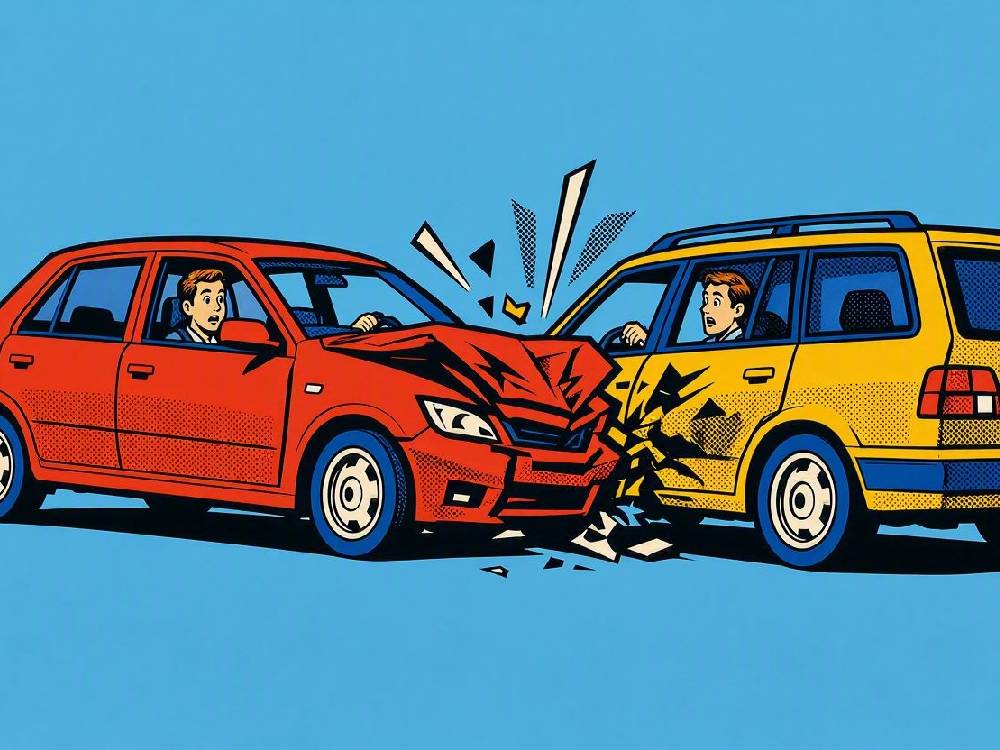
Bogus Car Insurance Claims Are Rising: What UK Drivers Need to Know

Introduction

A bogus car insurance claim can become a serious problem for UK motorists, especially when an innocent driver gets pulled into a dispute they never expected.

A fraudulent claim might involve an invented accident, exaggerated injuries, inflated repairs or passengers who were never there.

Here’s the problem.

Fraud doesn’t just cost insurance companies money.

Those extra costs can add pressure to the wider insurance market and, ultimately, motorists’ premiums.

So, what should you watch for?

And there’s another issue.

You don’t necessarily need to do anything wrong to become involved.

Someone else can exaggerate an accident, invent passengers or deliberately create a collision.

That’s why understanding how these claims work matters.

Why Bogus Car Insurance Claims Matter

Insurance fraud has existed for decades.

However, motor insurance remains an obvious target because claims can involve vehicles, injuries, repairs and several people.

Some fraud is carefully planned.

Other cases begin with a genuine accident before somebody decides to exaggerate what happened.

Here’s why that matters.

Insurers still have to investigate.

That costs money.

And those costs form part of the wider insurance market.

Of course, fraud isn’t the only factor affecting your premium.

Repair costs, theft levels, your postcode, your car and your driving history can all influence what you pay.

But it doesn’t stop there.

Fraud adds another unwanted cost.

So honest motorists can end up feeling the consequences.

That makes comparing Cheap Car Insurance particularly important when renewal time comes around.

Your current insurer might still offer the best deal.

But assuming it will could prove expensive.

What Are Bogus Car Insurance Claims?

A bogus car insurance claim involves deliberate dishonesty.

However, that doesn’t always mean the accident itself was fake.

Sometimes the crash genuinely happened.

The dishonesty comes afterwards.

This is where things get interesting.

Someone might exaggerate an injury.

They could claim for damage that existed before the collision.

Or they might inflate repair costs.

Then there are more organised scams.

These can involve deliberately creating accidents purely to generate insurance claims.

They’re often described as “crash for cash” schemes.

Now for the worrying bit.

An innocent motorist can unknowingly become part of the fraud.

The driver may believe they simply caused an unfortunate collision.

In reality, somebody may have engineered it.

Common Types Of Fraudulent Car Insurance Claims

Bogus claims come in several forms.

Some are sophisticated.

Others are surprisingly simple.

Staged accidents

A staged accident happens when somebody deliberately causes or engineers a collision.

They may brake suddenly or manipulate another driver into hitting them.

The aim is usually simple.

Create an accident.

Then make a claim.

But there’s a catch.

The innocent driver may believe they caused the crash.

That can make the scam difficult to spot immediately.

Some fraudsters may also use other vehicles or passengers to make the incident appear more convincing.

So what looks like a straightforward accident can become much more complicated later.

Exaggerated injury claims

Not every dishonest claim involves a fake collision.

Sometimes the accident is completely genuine.

However, somebody may exaggerate the consequences afterwards.

They might claim their injuries were far worse than they actually were.

Or they could exaggerate how long those injuries affected them.

The key point?

A genuine injury claim and a deliberately inflated claim are not the same thing.

Most people making legitimate claims simply want fair compensation.

The problem begins when somebody knowingly misrepresents what happened.

Inflated vehicle damage

Vehicle damage can also be exaggerated.

A crash may genuinely damage a bumper or panel.

However, somebody could then attempt to add older, unrelated damage to the claim.

This is where evidence matters.

Take photographs of both vehicles after an accident whenever it’s safe.

Capture the registration plates too.

Photograph the road, surrounding area and vehicle positions.

Those images could become extremely useful if the story changes later.

Drivers should also understand exactly what their own policy covers.

Our guide to car insurance options explains the main types of cover available.

Phantom passengers

This type of claim can be especially frustrating.

Imagine colliding with a car containing one person.

Later, several people apparently claim they were passengers.

Those additional passengers may then allege injuries.

And suddenly, one claim becomes several.

If possible, note how many people were inside the other vehicle.

Better still, write it down with the rest of the accident details.

Small observations can become surprisingly important later.

Completely fabricated claims

At the extreme end, the alleged accident may never have happened at all.

Someone could attempt to build a claim around an invented collision or event.

It sounds audacious.

Yet fraudulent claims don’t need to remain convincing forever.

They only need to look believable enough initially to start the process.

So, what happens next?

Insurers can compare evidence, driver statements, vehicle damage and claim histories.

If something doesn’t add up, the claim may receive closer scrutiny.

Can Someone Make A False Bogus Car Insurance Claim Against You?

Yes.

Someone can allege that you caused an accident even when you completely dispute their version.

However, there is an important distinction.

Making a claim isn’t the same as proving one.

Your insurer can investigate what happened.

They may consider photographs, witness statements, dashcam footage, vehicle damage and both drivers’ accounts.

So, what does that mean for you?

Don’t automatically assume a dishonest allegation will succeed.

Evidence matters.

A dashcam can be particularly useful because it records events independently.

Photographs can help too.

So can witnesses.

Our separate guide explains what happens if someone makes a false car insurance claim against you.

And here’s the important part.

If somebody makes a bogus claim against you, what you do next can make a big difference.

What Should You Do If Someone Makes A Bogus Car Insurance Claim Against You?

First, contact your insurer as soon as possible.

Explain clearly why you believe the claim is false or exaggerated.

Now comes the important part.

Gather everything that could support your version of events.

That might include photographs, dashcam footage, witness details, messages, CCTV or a police reference number.

Write down what happened while you still remember the details.

Include the time, location, weather, vehicle positions and number of people involved.

Small details can make a big difference.

If possible, avoid arguing directly with the other driver.

Instead, give your insurer the evidence and allow them to investigate.

You should also keep copies of any correspondence you receive.

That creates a clear record if the dispute continues.

How Do Insurers Investigate Suspicious Claims?

Insurers don’t have to accept every claim at face value.

They can compare what each person says against the available evidence.

So, what are they looking for?

They may examine photographs, vehicle damage, witness statements and dashcam footage.

They can also look for inconsistencies between different versions of the accident.

Sometimes, the physical damage itself raises questions.

For example, the alleged collision may not match the location or severity of the damage claimed.

And that’s where stories can start to unravel.

Insurers may also examine previous claims where something appears unusual.

However, every case is different.

A disputed claim doesn’t automatically mean fraud has taken place.

Why Dashcams Can Be So Useful

A dashcam won’t prevent every false claim.

However, it can provide an independent record of what actually happened.

Think about it.

Two drivers can remember the same collision very differently.

A camera doesn’t have that problem.

Footage may show who changed lanes, who stopped suddenly or what happened at a junction.

Rear-facing footage can also provide valuable context.

So, if you already use a dashcam, make sure it works properly.

And after an accident, save the footage quickly before the device overwrites it.

Could Bogus Claims Make Car Insurance More Expensive?

Potentially, yes.

Insurance companies price policies around risk and the cost of claims.

Fraud adds unnecessary costs to that system.

But here’s the catch.

Your own premium depends on far more than fraud alone.

Your age, postcode, vehicle, occupation, driving record and annual mileage can all influence the price.

That’s why two apparently similar drivers can receive very different quotes.

And it’s also why shopping around matters.

If your renewal jumps unexpectedly, don’t automatically accept it.

Compare alternative policies and check what you’re actually getting for the money.

Our guide to 5 ways to save money on car insurance covers several practical ways to reduce costs.

You can also read our guide on switching car insurance before changing providers.

How Can You Protect Yourself Against False Claims?

You can’t control what another driver does.

However, you can make yourself much harder to target.

Here’s what helps.

Take photographs after every accident where it’s safe to do so.

Record the number of people inside the other vehicle.

Get witness details whenever possible.

Save dashcam footage immediately.

Write down exactly what happened.

And tell your insurer promptly.

There’s one more thing.

Make sure the information on your own policy is accurate.

Incorrect mileage, undeclared modifications or the wrong usage details can create separate problems.

If you’re looking for very cheap car insurance, price still matters.

But cheap cover only works if the policy actually suits your circumstances.

What Happens If A Bogus Car Insurance Claim Is Found To Be Fraudulent?

A fraudulent claim can have serious consequences.

An insurer may reject the claim.

The policyholder could also face problems obtaining insurance in the future.

And in serious cases, it can go further.

Deliberate insurance fraud may lead to legal action or criminal investigation.

So exaggerating a claim isn’t a harmless way to squeeze a little extra money from an insurer.

The potential consequences can far outweigh the amount somebody hoped to gain.

Conclusion

Bogus car insurance claims can create real problems for innocent motorists.

They can lead to disputes, investigations and unnecessary stress.

Fortunately, you’re not powerless.

Good evidence can make an enormous difference.

Photographs, dashcam footage, witnesses and accurate notes can all help establish what really happened.

And if something feels wrong, tell your insurer quickly.

Don’t assume a suspicious claim will simply disappear.

At the same time, don’t let fear of fraud stop you making a legitimate claim when you need to.

That’s exactly what insurance exists for.

The bottom line?

Protect yourself, keep good records and never assume your renewal price is the best available.

Comparing Car Insurance carefully could still help you find cheaper cover without sacrificing the protection you actually need.
Can You Insure A Car You Don’t Own?

Introduction

Need to insure a car that doesn’t belong to you?

It might seem complicated.

But don’t worry.

It’s a common situation.

You could be borrowing a friend’s vehicle.

Or perhaps you’re using a relative’s car temporarily.

Either way, there are several insurance options to keep you covered.

In this article, we’ll explore your choices.

You’ll learn about stand-alone policies, named driver insurance, and temporary cover.

We’ll also look at the legal aspects, like avoiding insurance fraud.

Here’s a quick overview:

  • Stand-alone policies for long-term cover
  • Named driver insurance for sharing a vehicle
  • Temporary insurance for short-term needs

Can I Insure A Car I Don’t Own?

Yes, you can insure a car you don’t own.

But it depends on the circumstances.

You don’t have to be the registered owner or keeper to insure a car.

However, some insurers impose restrictions.

In many cases, you can only be insured if the car’s owner is a close family member or spouse.

So, if you’re borrowing a car from a friend or a colleague, you need to find an insurance company that allows this.

When applying for insurance, transparency is essential.

Failing to disclose key details can result in a denied claim.

Even worse?

It could be considered fraud.

But here’s the thing – not all insurers are flexible.

Many companies only insure the registered keeper of the vehicle.

This makes it essential to shop around for a policy that fits your needs.

Types Of Insurance For Non-Owners

There are several ways to insure a car you don’t own.

Each option has its own pros and cons.

Let’s take a closer look:

1. Stand-Alone Insurance Policy

A stand-alone policy is perfect if you’re the main driver of a car you don’t own.

When applying, you’ll need to inform the insurer that you’re not the car’s owner or registered keeper.

Why does this matter?

Not all insurers offer this type of coverage.

Even those that do may only cover you if the owner is a spouse, parent, or employer.

The downside?

It’s often the most expensive option.

However, if you’ll be driving the car frequently, a stand-alone policy is the most reliable choice.

2. Named Driver Insurance

Named driver insurance is another popular option.

It’s often the cheapest way to get insured on a car you don’t own.

Here’s how it works:

You’re added to the existing policy of the car’s owner as an additional driver.

Be upfront with your insurer about who the main driver is.

Why does this matter?

If you’re dishonest, you risk committing insurance fraud.

This is known as “fronting,” where the named driver is actually the main driver.

It’s illegal and comes with serious penalties.

3. Temporary Car Insurance

Temporary car insurance offers flexible short-term coverage.

Unlike stand-alone or named driver policies, temporary insurance is ideal for brief occasions when you need to drive a car that isn’t yours.

Cover can range from just a few hours to several months.

This option is particularly useful for short-term borrowing.

Think about road trips or borrowing a car for a weekend.

However, temporary policies tend to be more expensive per day than annual policies.

Keep this in mind if you need long-term coverage.

Insure: Important Considerations

Transparency is key.

Always provide accurate details to the insurer.

This includes information on who owns the car and how often you’ll be driving it.

Being dishonest could void your policy.

Worse, it may lead to legal consequences for fraud.

One last thing:

Before applying for a new policy, check your existing insurance.

Some comprehensive policies include third-party cover for borrowing another vehicle.

Always read your policy documents or speak to your insurer to confirm what’s covered.

Differences Between A Car’s Owner And Registered Keeper

Now, let’s talk about the difference between a car’s owner and its registered keeper.

At first glance, they might seem like the same thing.

However, they serve very different roles.

The owner is the legal holder of the car, meaning they paid for it or received it as a gift.

On the other hand, the registered keeper is the person listed on the DVLA registration certificate, responsible for things like taxing and insuring the vehicle.

For example, let’s say a company owns the car.

The employee driving it could be the registered keeper, handling the day-to-day responsibilities.

So why does this matter when getting insurance?

Well, many insurers only issue coverage to the registered keeper.

Therefore, if you plan to insure a car you don’t legally own, this might limit your options.

It’s crucial to understand this distinction before diving into the insurance process.

Otherwise, you might find yourself searching for the right policy longer than expected.

Can I Insure A Car That’s Already Insured?

So, what happens if the car you want to insure is already covered by someone else?

In certain cases, yes, you can insure a car that already has an active policy.

However, the process isn’t always simple.

In fact, adding an additional policy could complicate things.

For short-term use, your best bet might be a temporary car insurance policy.

This allows you to drive the car without cancelling the existing coverage.

But keep in mind, temporary insurance is typically more expensive on a daily basis than a long-term policy.

Alternatively, you might find it cheaper to add yourself to the existing policy as a named driver.

Why is this better?

Well, it’s usually the most affordable way to share insurance coverage on a car.

Just be sure to clarify with the insurer how often you’ll be driving, as this is typically meant for occasional use.

If you plan on using the car regularly, you may need to explore other options.

Conclusion

To sum up, insuring a car you don’t own is not only possible but also fairly straightforward if you know your options.

First, consider your needs.

If you’re the primary driver, a stand-alone policy may be the best solution.

On the other hand, if you’re borrowing the car temporarily, temporary car insurance or becoming a named driver might be more cost-effective.

But remember, transparency is key.

It’s crucial to provide accurate information to your insurer.

If you misrepresent your situation, you could void your policy or even face charges of insurance fraud.

Finding the right insurance for a car you don’t own may take a little time, but with some research and honesty, you can find the best solution.

For further reading, check out these helpful articles:


Can Someone Make a False Car Insurance Claim Against Me?

Introduction

Indeed, it’s entirely possible for someone to try and make a false car insurance claim against you.

But don’t panic.

Your insurance provider is certainly not going to pay out without first conducting a thorough investigation.

Here’s the deal:

If someone falsely claims that you were involved in an accident, and you weren’t, your insurer will immediately step in to assist.

First, they’ll ask for your side of the story.

This step is crucial because it helps them piece together the truth.

Moreover, they won’t simply rely on what the other driver says.

Need more tips on avoiding expensive claims? Check out this guide.

Will My Insurer Simply Pay Out For A False Claim?

Not a chance.

When a false claim is made against you, the insurance provider will start by investigating.

What does that mean for you?

They’ll ask for details like:

  • Where were you at the time of the alleged accident?
  • Do you have any receipts or evidence proving your location?
  • Can you provide witnesses?

The insurer also looks at any evidence provided by the other party.

This could include photos, witness statements, or police reports.

Got a dashcam? Now’s the time to share that footage!

They will carefully review both sides before making a decision.

No money is exchanged until the investigation is complete.

Want to know more about protecting your car insurance policy? Read here.

Do I Pay Excess If Someone Makes A False Claim Against Me?

Here’s the good news.

Luckily, you won’t have to worry about paying any excess if another party files a claim against your insurance.

Why is that?

Excess is only payable when you’re claiming for your own vehicle repairs.

If the other party is claiming, they’ll need to pay their own excess.

You only pay if you’re making a claim for damage to your car.

Pro Tip: Always review your insurance policy to understand when you might be responsible for excess payments.

Need more help with car insurance terms? Here’s a breakdown.

What Do I Do If A Fraudulent Claim Is Made Against Me?

Think it’s a false claim?

Take action quickly.

The faster you respond, the better chance you have of disputing it.

Here’s what you need to do:

  • Contact your insurance provider and tell them you think the claim is fraudulent.
  • Gather any evidence that proves you weren’t involved — receipts, videos, or witness statements.
  • Ask for details about the claim.
    Where did the accident supposedly happen?
    What time did it occur?
    What evidence has been provided?

The more information you gather, the easier it becomes to dispute the claim.

Additionally, if they provide any photos of the damage, you should immediately offer to have your vehicle inspected.

Furthermore, make sure to keep a written record of every single conversation you have with your insurer.

Remember: Documentation is key!

Need to understand more about insurance fraud? Find out more.

How To Report Car Insurance Fraud In The UK

If you think you’re a victim of car insurance fraud, report it immediately.

Don’t delay.

Start by contacting your insurance company and providing all the evidence you’ve collected.

Then, file a report with the police.

If your car has been cloned, the first step is to report it to the police, who will then provide you with a crime reference number.

After that, the next thing you should do is notify the DVLA and provide them with that crime reference number.

This, in turn, helps keep your records clear and prevents any future complications.

Pro Tip: Always report fraud as soon as possible to prevent any complications.

For more info on reporting fraud, visit this guide.

So, You’ve Gathered Your Evidence.

Now what?

The next step, then, is to use that information to actively dispute the claim.

Here’s exactly how you can go about it:

First, if the other party claims to have photo evidence, you should immediately offer to have your vehicle inspected.

Moreover, if you can prove that your car wasn’t involved in the accident, this will serve as your strongest defense.

Finally, ensure you obtain a written statement from your insurance provider confirming the details of your conversation.

Why is this important?

You’ll need this as proof if the case escalates.

And remember, it’s always smart to follow up any phone conversation with an email.

This way, there’s a clear paper trail of your communication.

Tip: Documentation can make all the difference when disputing a false claim.

For more tips on handling insurance disputes, read this article.

Reporting Car Insurance Fraud In The UK

If you suspect car cloning or another form of insurance fraud, here’s what to do:

  1. Notify Your Insurance Provider:
    Let them know immediately that you believe you’ve been a victim of fraud.
  2. File a Police Report:
    In cases of car cloning, report it to the police, and get a crime reference number.
  3. Inform the DVLA:
    You’ll need to notify the DVLA if your car has been cloned.
    This ensures the correct records are kept.

This process not only protects your insurance record from fraudulent claims but also helps the authorities track down the perpetrators.

In addition, be sure to always remember to keep copies of every document you receive.

Why?

It’ll help you in case you need to follow up or escalate the situation.

Need help reporting fraud? Visit https://www.insurancefraudbureau.org/

Conclusion

So, can someone make a false car insurance claim against you?

Yes, they can try, but it’s not as simple as they might think.

Your insurance provider will thoroughly investigate before making any payout decisions.

The key takeaway?

Stay vigilant.

Gather evidence.

Communicate clearly with your insurer.

And most importantly, always report suspected fraud as soon as possible.

For more advice on dealing with car insurance claims, check out our other posts:


Car Insurance Quote

Step 1

Complete your quick and easy quote

Car Insurance

Step 2

Reveal your car insurance policies

Cheapest

Step 3

Pick your favourite and get instant cover