Introduction
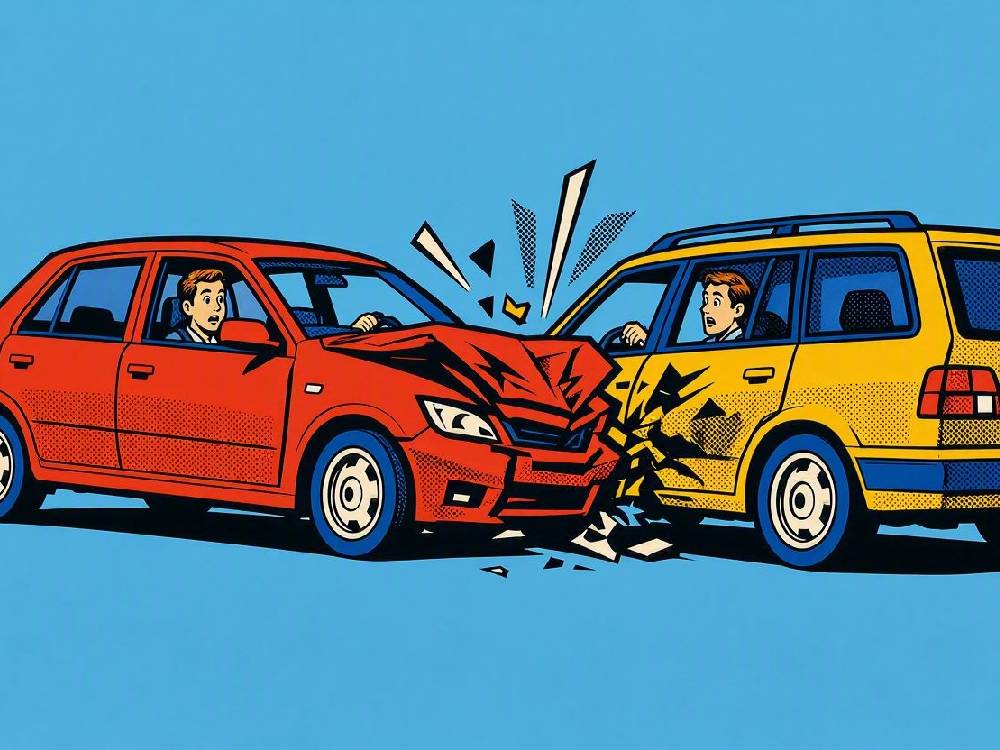
A bogus car insurance claim can become a serious problem for UK motorists, especially when an innocent driver gets pulled into a dispute they never expected.
A fraudulent claim might involve an invented accident, exaggerated injuries, inflated repairs or passengers who were never there.
Here’s the problem.
Fraud doesn’t just cost insurance companies money.
Those extra costs can add pressure to the wider insurance market and, ultimately, motorists’ premiums.
So, what should you watch for?
And there’s another issue.
You don’t necessarily need to do anything wrong to become involved.
Someone else can exaggerate an accident, invent passengers or deliberately create a collision.
That’s why understanding how these claims work matters.
Why Bogus Car Insurance Claims Matter
Insurance fraud has existed for decades.
However, motor insurance remains an obvious target because claims can involve vehicles, injuries, repairs and several people.
Some fraud is carefully planned.
Other cases begin with a genuine accident before somebody decides to exaggerate what happened.
Here’s why that matters.
Insurers still have to investigate.
That costs money.
And those costs form part of the wider insurance market.
Of course, fraud isn’t the only factor affecting your premium.
Repair costs, theft levels, your postcode, your car and your driving history can all influence what you pay.
But it doesn’t stop there.
Fraud adds another unwanted cost.
So honest motorists can end up feeling the consequences.
That makes comparing Cheap Car Insurance particularly important when renewal time comes around.
Your current insurer might still offer the best deal.
But assuming it will could prove expensive.
What Are Bogus Car Insurance Claims?
A bogus car insurance claim involves deliberate dishonesty.
However, that doesn’t always mean the accident itself was fake.
Sometimes the crash genuinely happened.
The dishonesty comes afterwards.
This is where things get interesting.
Someone might exaggerate an injury.
They could claim for damage that existed before the collision.
Or they might inflate repair costs.
Then there are more organised scams.
These can involve deliberately creating accidents purely to generate insurance claims.
They’re often described as “crash for cash” schemes.
Now for the worrying bit.
An innocent motorist can unknowingly become part of the fraud.
The driver may believe they simply caused an unfortunate collision.
In reality, somebody may have engineered it.
Common Types Of Fraudulent Car Insurance Claims
Bogus claims come in several forms.
Some are sophisticated.
Others are surprisingly simple.
Staged accidents
A staged accident happens when somebody deliberately causes or engineers a collision.
They may brake suddenly or manipulate another driver into hitting them.
The aim is usually simple.
Create an accident.
Then make a claim.
But there’s a catch.
The innocent driver may believe they caused the crash.
That can make the scam difficult to spot immediately.
Some fraudsters may also use other vehicles or passengers to make the incident appear more convincing.
So what looks like a straightforward accident can become much more complicated later.
Exaggerated injury claims
Not every dishonest claim involves a fake collision.
Sometimes the accident is completely genuine.
However, somebody may exaggerate the consequences afterwards.
They might claim their injuries were far worse than they actually were.
Or they could exaggerate how long those injuries affected them.
The key point?
A genuine injury claim and a deliberately inflated claim are not the same thing.
Most people making legitimate claims simply want fair compensation.
The problem begins when somebody knowingly misrepresents what happened.
Inflated vehicle damage
Vehicle damage can also be exaggerated.
A crash may genuinely damage a bumper or panel.
However, somebody could then attempt to add older, unrelated damage to the claim.
This is where evidence matters.
Take photographs of both vehicles after an accident whenever it’s safe.
Capture the registration plates too.
Photograph the road, surrounding area and vehicle positions.
Those images could become extremely useful if the story changes later.
Drivers should also understand exactly what their own policy covers.
Our guide to car insurance options explains the main types of cover available.
Phantom passengers
This type of claim can be especially frustrating.
Imagine colliding with a car containing one person.
Later, several people apparently claim they were passengers.
Those additional passengers may then allege injuries.
And suddenly, one claim becomes several.
If possible, note how many people were inside the other vehicle.
Better still, write it down with the rest of the accident details.
Small observations can become surprisingly important later.
Completely fabricated claims
At the extreme end, the alleged accident may never have happened at all.
Someone could attempt to build a claim around an invented collision or event.
It sounds audacious.
Yet fraudulent claims don’t need to remain convincing forever.
They only need to look believable enough initially to start the process.
So, what happens next?
Insurers can compare evidence, driver statements, vehicle damage and claim histories.
If something doesn’t add up, the claim may receive closer scrutiny.
Can Someone Make A False Bogus Car Insurance Claim Against You?
Yes.
Someone can allege that you caused an accident even when you completely dispute their version.
However, there is an important distinction.
Making a claim isn’t the same as proving one.
Your insurer can investigate what happened.
They may consider photographs, witness statements, dashcam footage, vehicle damage and both drivers’ accounts.
So, what does that mean for you?
Don’t automatically assume a dishonest allegation will succeed.
Evidence matters.
A dashcam can be particularly useful because it records events independently.
Photographs can help too.
So can witnesses.
Our separate guide explains what happens if someone makes a false car insurance claim against you.
And here’s the important part.
If somebody makes a bogus claim against you, what you do next can make a big difference.
What Should You Do If Someone Makes A Bogus Car Insurance Claim Against You?
First, contact your insurer as soon as possible.
Explain clearly why you believe the claim is false or exaggerated.
Now comes the important part.
Gather everything that could support your version of events.
That might include photographs, dashcam footage, witness details, messages, CCTV or a police reference number.
Write down what happened while you still remember the details.
Include the time, location, weather, vehicle positions and number of people involved.
Small details can make a big difference.
If possible, avoid arguing directly with the other driver.
Instead, give your insurer the evidence and allow them to investigate.
You should also keep copies of any correspondence you receive.
That creates a clear record if the dispute continues.
How Do Insurers Investigate Suspicious Claims?
Insurers don’t have to accept every claim at face value.
They can compare what each person says against the available evidence.
So, what are they looking for?
They may examine photographs, vehicle damage, witness statements and dashcam footage.
They can also look for inconsistencies between different versions of the accident.
Sometimes, the physical damage itself raises questions.
For example, the alleged collision may not match the location or severity of the damage claimed.
And that’s where stories can start to unravel.
Insurers may also examine previous claims where something appears unusual.
However, every case is different.
A disputed claim doesn’t automatically mean fraud has taken place.
Why Dashcams Can Be So Useful
A dashcam won’t prevent every false claim.
However, it can provide an independent record of what actually happened.
Think about it.
Two drivers can remember the same collision very differently.
A camera doesn’t have that problem.
Footage may show who changed lanes, who stopped suddenly or what happened at a junction.
Rear-facing footage can also provide valuable context.
So, if you already use a dashcam, make sure it works properly.
And after an accident, save the footage quickly before the device overwrites it.
Could Bogus Claims Make Car Insurance More Expensive?
Potentially, yes.
Insurance companies price policies around risk and the cost of claims.
Fraud adds unnecessary costs to that system.
But here’s the catch.
Your own premium depends on far more than fraud alone.
That’s why two apparently similar drivers can receive very different quotes.
And it’s also why shopping around matters.
If your renewal jumps unexpectedly, don’t automatically accept it.
Compare alternative policies and check what you’re actually getting for the money.
Our guide to 5 ways to save money on car insurance covers several practical ways to reduce costs.
You can also read our guide on switching car insurance before changing providers.
How Can You Protect Yourself Against False Claims?
You can’t control what another driver does.
However, you can make yourself much harder to target.
Here’s what helps.
Take photographs after every accident where it’s safe to do so.
Record the number of people inside the other vehicle.
Get witness details whenever possible.
Save dashcam footage immediately.
Write down exactly what happened.
And tell your insurer promptly.
There’s one more thing.
Make sure the information on your own policy is accurate.
Incorrect mileage, undeclared modifications or the wrong usage details can create separate problems.
If you’re looking for very cheap car insurance, price still matters.
But cheap cover only works if the policy actually suits your circumstances.
What Happens If A Bogus Car Insurance Claim Is Found To Be Fraudulent?
A fraudulent claim can have serious consequences.
An insurer may reject the claim.
The policyholder could also face problems obtaining insurance in the future.
And in serious cases, it can go further.
Deliberate insurance fraud may lead to legal action or criminal investigation.
So exaggerating a claim isn’t a harmless way to squeeze a little extra money from an insurer.
The potential consequences can far outweigh the amount somebody hoped to gain.
Conclusion
Bogus car insurance claims can create real problems for innocent motorists.
They can lead to disputes, investigations and unnecessary stress.
Fortunately, you’re not powerless.
Good evidence can make an enormous difference.
Photographs, dashcam footage, witnesses and accurate notes can all help establish what really happened.
And if something feels wrong, tell your insurer quickly.
Don’t assume a suspicious claim will simply disappear.
At the same time, don’t let fear of fraud stop you making a legitimate claim when you need to.
That’s exactly what insurance exists for.
The bottom line?
Protect yourself, keep good records and never assume your renewal price is the best available.
Comparing Car Insurance carefully could still help you find cheaper cover without sacrificing the protection you actually need.