Introduction
Speeding and Car Insurance.
You probably think you’ll notice when a speed camera catches you.
That moment.
That flash.
That instant awareness.
But now… that assumption is gone.
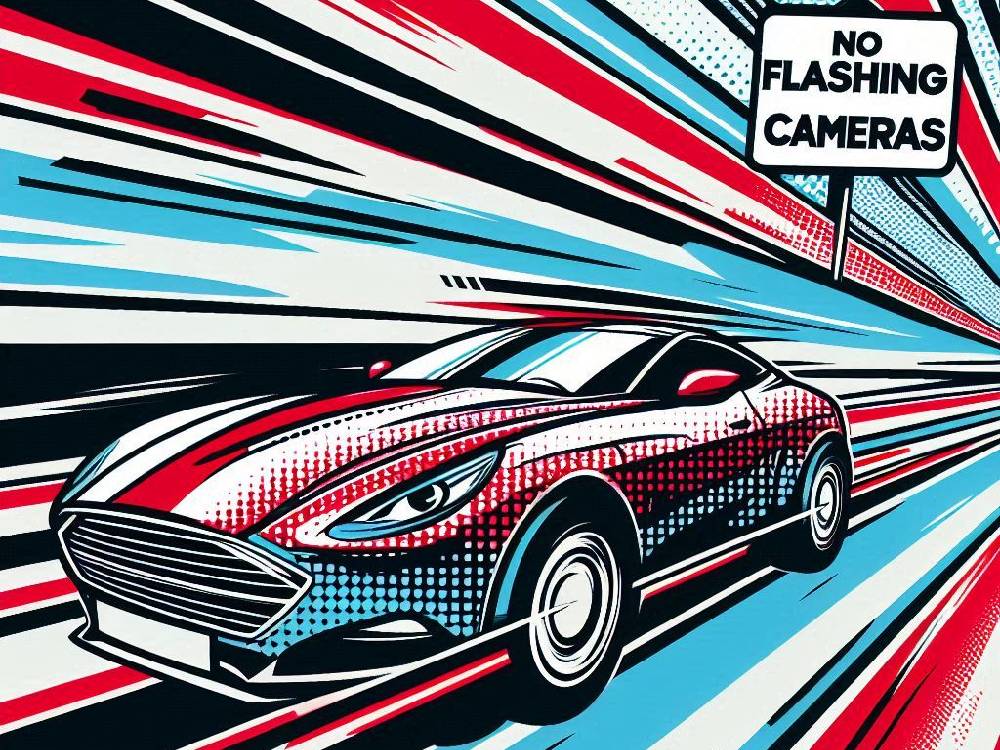
Because across parts of England, new speed cameras don’t flash at all.
And that changes everything.
Especially your Car Insurance.
Here’s the problem.
You could already have multiple offences… and not even know it yet.
Which means your next renewal for Cheap car insurance might hit harder than expected.
And it doesn’t stop there:
Penalties stack quietly.
Premiums rise quickly.
And insurers? They don’t miss a thing.
So what does this really mean for you?
And more importantly… how do you stay ahead of it?
Here’s what you need to know:
Let’s break this down:
New ‘No Flash’ Speed Cameras Are Changing The Rules
Speeding and Car Insurance –
The rules haven’t officially changed.
But in reality… they have.
Because enforcement just became invisible.
Across London, new radar-based speed cameras are being introduced under plans backed by the Labour Mayor, Sir Sadiq Khan.
Transport for London is working alongside the Metropolitan Police.
And together, they’re trialling something far more advanced.
These cameras don’t rely on flashes.
They don’t rely on road markings.
And crucially… they don’t rely on you noticing them.
Now, it gets interesting:
The rollout includes areas like Haringey, Hackney, Brent, Croydon, Ealing, Sutton, Havering,
Tower Hamlets, and Hammersmith and Fulham.
That’s not a small test.
That’s wide coverage.
And it signals something bigger.
A shift toward constant, silent enforcement.
Which means drivers relying on “spotting cameras” are already behind.
Speeding and Car Insurance: How This New Technology Actually Works
So how do these cameras catch you… without you knowing?
Here’s the catch:
They use 4D radar.
And pair it with high-resolution 4K colour imaging.
That combination changes the game completely.
Unlike traditional cameras, they don’t need painted lines on the road.
They don’t need sensors embedded in the ground.
And they definitely don’t need a visible flash.
Instead, they track movement continuously.
They monitor speed in real time.
And they capture clear, usable evidence instantly.
Which means fewer errors.
And far more successful prosecutions.
But here’s where it really matters:
Higher accuracy leads to more convictions.
More convictions lead to higher risk profiles.
And higher risk profiles lead to increased Car Insurance costs.
It’s a direct chain reaction.
Why Drivers Are More Likely To Get Caught Now:
Most drivers rely on cues.
A flash.
A sign.
A painted line.
Something.
But take all that away…
And what happens?
People drive exactly the same.
That’s the problem.
Because now, there’s no warning system.
No moment of correction.
No instant feedback.
And as a result, offences become invisible.
Until the letter arrives.
And by then… it’s too late.
But that’s not all:
Drivers often repeat the same behaviour.
On the same roads.
At the same speeds.
Without realising they’re being recorded every time.
That repetition is dangerous.
Because penalties don’t come one by one anymore.
They stack.
Quietly.
Relentlessly.
The Hidden Risk Most Drivers Miss
Most people assume something simple.
No flash means no offence.
Sounds logical.
But it’s completely wrong.
And that misunderstanding is exactly what these systems rely on.
Here’s why:
Drivers don’t adjust their behaviour immediately.
They keep driving as normal.
They assume they’re within limits.
And meanwhile…
The system keeps recording.
Offence after offence.
Journey after journey.
Until eventually, reality hits.
Fines.
Points.
And a sharp increase in your Cheap Insurance UK costs.
Now think about this:
By the time you realise, your insurer already knows.
And insurers price risk aggressively.
Even a single speeding conviction can push premiums up.
Multiple?
That’s when Cheapest car insurance becomes much harder to find.
Which is why staying proactive matters.
Not reactive.
Because once it’s on your record…
It’s already too late.
The Direct Impact On Your Speeding and Car Insurance
So now, let’s connect the dots.
Because this is where things shift.
Not gradually.
But quickly.
Every speeding offence feeds directly into your risk profile.
And as a result, insurers adjust pricing almost immediately.
Therefore, even a single offence can increase your premium.
However, multiple offences?
That’s where the real damage happens.
Because at that point, insurers no longer see you as low risk.
Instead, they reclassify you.
And once that happens, access to Cheap car insurance starts to narrow.
But here’s the bigger issue:
Many drivers underestimate how closely insurers track behaviour.
Consequently, even small patterns matter.
Not just major offences.
But repeated ones.
And importantly, consistency plays a huge role.
If you continue the same driving habits, risk compounds.
Which means premiums rise again.
And again.
Furthermore, some drivers make a critical mistake.
They forget to declare points.
Or worse, they assume it won’t matter.
However, it always matters.
Because inaccurate information can invalidate your policy.
And as a result, claims can be refused entirely.
Now, let that sink in:
You pay for protection.
But then lose it when you need it most.
Therefore, understanding your cover is essential.
Not optional.
Especially when comparing policy types.
For example, different cover levels respond differently to risk.
So naturally, your choice matters.
You can explore this further here:
Compare cover types and understand what you’re actually protected for
Because ultimately, clarity now prevents problems later.
Why Cheap Car Insurance Is Getting Harder To Find
At the same time, the wider market is shifting.
Not slowly.
But steadily.
Because as enforcement increases, more drivers get caught.
And therefore, overall risk rises.
Which, in turn, pushes premiums upwards.
This is how the system works.
However, most drivers only notice this after renewal.
By then, it’s already too late.
But here’s the key point:
You’re not stuck.
Not at all.
Instead, you can adapt early.
And that changes everything.
For instance, reviewing your policy regularly can reveal hidden savings.
Likewise, comparing providers keeps you competitive.
And importantly, timing plays a major role.
If you delay, options shrink.
Whereas acting early expands them.
So naturally, the smartest move is to stay proactive.
Not reactive.
You can start here:
Find cheaper policies tailored to your driving profile
Because in today’s market, awareness equals savings.
How To Protect Yourself Before It’s Too Late
So what should you actually do next?
First, adjust your driving behaviour.
Not occasionally.
But consistently.
Because now, visibility is gone.
And therefore, assumptions no longer protect you.
Secondly, stay informed.
Understand where these systems operate.
And more importantly, assume they’re everywhere.
Because eventually, they will be.
Thirdly, rethink your policy.
This is where smart drivers gain an advantage.
For example, telematics policies reward safer driving habits.
And as a result, they can reduce premiums significantly.
Especially over time.
You can explore that option here:
See how telematics car insurance could reduce your costs
Additionally, review your insurance more frequently.
Not once a year.
But regularly.
Because circumstances change.
And so do prices.
Moreover, switching providers can unlock immediate savings.
Particularly if your risk profile improves.
Take a closer look here:
Learn when and how to switch your car insurance effectively
Because ultimately, small actions now prevent bigger costs later.
Speeding and Car Insurance: Smart Drivers Are Already Adapting
Meanwhile, some drivers are already ahead.
Not by chance.
But by choice.
Because they understand what’s happening.
And therefore, they act early.
They adjust behaviour before penalties appear.
They compare policies before renewal hits.
And importantly, they stay informed.
As a result, they maintain access to cheap car insurance.
Even as the market tightens.
Now, here’s the difference:
They don’t rely on luck.
Instead, they rely on strategy.
Because in this environment, awareness matters more than ever.
And those who adapt first…
Pay less.
Conclusion
So where does this leave you?
Right at a decision point.
Because although enforcement is changing, your response still matters.
And therefore, your outcome isn’t fixed.
It’s flexible.
These new “no flash” cameras remove the warning signs.
However, they don’t remove your control.
Instead, they shift responsibility onto you.
Which means awareness becomes your biggest advantage.
Because if you act early, you stay ahead.
Whereas if you wait, costs catch up.
And quickly.
So now, the choice is simple:
Adapt now.
Or pay later.
Because in the world of Car Insurance…
The system doesn’t warn you anymore.
It just records.
Related Articles You Should Read Next
Want to stay ahead and keep your car insurance costs down?
These guides will help you go deeper and make smarter decisions across the board.
Explore practical ways to save here:
5 proven ways to reduce your car insurance costs
Discover which vehicles cost less to insure:
The 10 cheapest cars to insure in the UK
And if you’re just getting started or helping someone else:
Essential tips for young drivers looking to save on insurance
Because the more you understand…
The less you overpay.