Car Insurance Warning: World-First Laughing Gas Breathalyser Could Change How UK Drivers Are Caught

Introduction

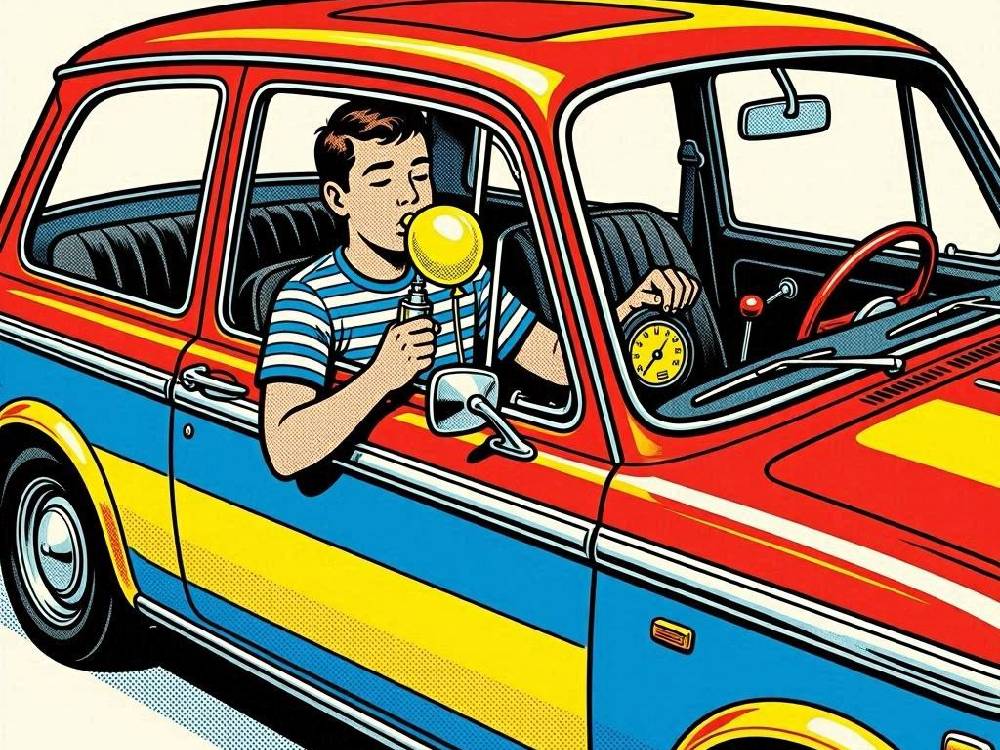
Police are trialling a world-first laughing gas breathalyser in southern England, and therefore, this is not just another roadside crackdown.

For UK drivers, it could become a serious Car Insurance warning.

If nitrous oxide use becomes easier to detect, then risky drivers may face more than prosecution.

They could also face higher premiums, refused claims, cancelled cover, and fewer chances of finding Cheap Car Insurance.

This article explains:

  • Why police are testing a laughing gas breathalyser
  • How nitrous oxide can affect driving risk
  • Why drug-driving can damage Car Insurance options
  • How young drivers could face higher costs
  • Why the Cheapest car insurance usually rewards safer behaviour

What Is The Laughing Gas Breathalyser Trial?

Police in Hampshire, the Isle of Wight, and Thames Valley are testing a roadside nitrous oxide breathalyser.

That sounds technical.

However, the idea is simple.

The device aims to show whether a driver has recently inhaled laughing gas.

Until now, that has been difficult to prove quickly.

So, although officers may suspect nitrous oxide use, evidence has not always been easy to collect.

Here’s where things change.

If police can detect laughing gas at the roadside, more drivers may face drug-driving action.

And, as a result, Car Insurance consequences may follow.

Laughing Gas Breathalyser: Why This Matters For Insurance

Insurers do not just look at your car.

They look at your behaviour.

Look at risk.

They look at anything that suggests you may cost them money.

Therefore, a drug-driving offence can become more than a legal problem.

It can become a pricing problem.

A driver who once found Very cheap car insurance may suddenly face higher quotes.

Some insurers may still offer cover.

Others may walk away.

Either way, the market can shrink fast.

Why Police Are Taking Nitrous Oxide Seriously

Nitrous oxide is often treated casually.

That is the dangerous part.

A few seconds of laughter can still affect judgement, awareness, and reaction time.

On the road, that matters.

A late brake can change everything.

A missed hazard can change everything.

A tiny delay can become a claim, a conviction, or worse.

The real risk is not only the gas. It is the decision to drive afterwards.

And this is where many drivers get caught out.

They think the moment has passed.

However, the consequences may last much longer.

The Insurance Problem Nobody Thinks About First

Most drivers think about police penalties first.

The fine.

The court date.

The possible ban.

However, Car Insurance may hurt later.

A conviction can affect future quotes.

A claim involving impairment can become complicated.

A cancelled policy can make new cover harder to arrange.

And, therefore, the search for Cheap Insurance UK deals can become much more stressful.

That is why drivers should take policy questions seriously.

When comparing car insurance options, accuracy matters.

Not roughly.

Not “close enough”.

Accurately.

Why Young Drivers Could Be Hit Hardest

Young drivers already pay some of the highest premiums in the UK.

So, naturally, any extra risk can hit harder.

A young driver with a clean licence may still struggle to find affordable cover.

Add drug-driving concerns, and the numbers can rise quickly.

This is why UK car insurance for young drivers needs careful planning.

Small mistakes can become expensive.

Big mistakes can become brutal.

And although many young motorists drive responsibly, insurers price risk with limited sympathy.

They look at patterns.

Look at records.

They look at probability.

So, consequently, one reckless incident can follow a driver into future Car Insurance quotes.

How One Bad Decision Can Make Cheap Cover Harder To Find

The Cheapest car insurance usually goes to drivers who look predictable.

Clean licence.

Low risk.

Accurate details.

Sensible mileage.

No avoidable drama.

That may sound boring.

But boring is often cheaper.

Meanwhile, drug-driving creates the opposite signal.

It tells insurers there may be extra risk.

And extra risk usually means extra cost.

It was only once is not much help on a quote form.

Insurers prefer facts.

So, if a driver wants Cheap Car Insurance, they need to protect their record.

Because, ultimately, the cheapest policy rarely comes from explaining mistakes afterwards.

It comes from avoiding them before they happen.

Could A Laughing Gas Incident Affect A Future Claim?

This is where the warning becomes sharper.

If a driver crashes after using nitrous oxide, the insurer may investigate carefully.

They may look at police evidence.

May check the driver’s behaviour.

They may review whether the policy terms were followed.

Therefore, even with comprehensive cover, the claim may not feel simple.

That matters.

Because comprehensive car insurance does not remove every responsibility.

Drivers still need to stay legal.

They still need to answer questions honestly.

They still need to avoid reckless behaviour.

And, crucially, they still need to protect their future Car Insurance record.

Why Comparing Quotes Still Matters

If your renewal price jumps, do not accept it blindly.

That is the expensive mistake.

Instead, compare quotes early.

Check your mileage.

Review your job title.

Look at your excess.

Remove cover you no longer need.

Also, if suitable, consider telematics car insurance.

For some careful drivers, black box cover may help prove safer habits.

However, it will not rescue reckless driving.

It rewards better behaviour.

Not excuses.

Why Enforcement Changes Could Affect Insurance Costs: Laughing Gas Breathalyser

Roadside testing is becoming smarter.

That should make drivers think.

If police can prove more offences, then insurers may see more evidence.

More evidence can mean more convictions.

More convictions can mean higher Car Insurance prices.

It is that simple.

So, although the laughing gas breathalyser trial is still new, the message feels clear.

Risky driving is becoming harder to hide.

And once a driver becomes high risk, finding Cheap Insurance UK deals can become harder.

That is why switching matters too.

If your insurer no longer offers a fair price, you can compare options before renewal.

You can also read more about when to switch car insurance.

Timing can make a difference.

So can accuracy.

And, sometimes, so can patience.

Conclusion

The world-first laughing gas breathalyser trial may sound like a police technology story.

However, for UK drivers, it is also a Car Insurance warning.

If nitrous oxide use becomes easier to detect, then one reckless journey could create years of financial pain.

A driver may face prosecution.

They may face higher premiums.

They may lose access to the Cheapest car insurance deals.

And, in some cases, they may struggle to find affordable cover at all.

Therefore, the safest route is also the cheapest route.

Stay legal.

Drive clearly.

Answer insurance questions accurately.

Then, before accepting a renewal, compare Cheap Car Insurance options and avoid paying more than necessary.

Similar Articles You May Find Useful

For more guidance, read our blogs on

drug-driving and UK car insurance,

what can invalidate your car insurance, and

drivers with points on their licence, as each one explains how one driving mistake can affect your future premiums.
Drink Driving Car Insurance Rule That Could Get You Banned Without Driving

Introduction

Drink driving car insurance..

Most drivers think drink-driving is simple.

Don’t drink.

Don’t drive.

End of story.

However, that assumption is where people get caught out.

Because in the UK, you can break drink-driving laws without moving your car at all.

And when that happens, your Car Insurance, your licence, and your future premiums are all on the line.

Once insurers see a drink-related offence, the price changes.

And not in your favour.

To protect yourself, and your wallet, it helps to understand what the law really says.

And what insurers really care about.

Why Drink-Driving Offences Spike At This Time of Year

Every year, it follows the same pattern.

Social calendars fill up.

Work parties roll in.

Family gatherings stack back to back.

And suddenly, more people start taking risks they normally wouldn’t.

Not because they’re reckless.

But because they’re relaxed.

Because they feel safe.

Because they assume they’re “fine”.

Meanwhile, police presence increases.

Roadside checks become more frequent.

Enforcement ramps up quietly.

And this is where the trouble starts.

Drink Driving Car Insurance Rule Most Drivers Have Never Heard Of

Most people believe drink-driving only applies when you’re behind the wheel.

That’s the mental model.

That’s the assumption.

It’s wrong.

In the UK, you can be charged with being drunk in charge of a vehicle”.

Even if the engine never starts.

Even if the car never moves.

This rule exists to prevent potential harm.

However, in practice, it catches people who thought they were being responsible.

Which feels unfair.

But the law doesn’t work on feelings.

It works on interpretation.

You can explore different policy types here:
https://www.cheapcarinsurance.co.uk/car-insurance-options/

Sitting In Your Car With The Keys? Drink Driving Car Insurance Rule That Can Be Enough

Picture this.

You leave the pub.

You feel a bit unsteady.

So you sit in your car to wait for a lift.

Seems sensible.

Seems responsible.

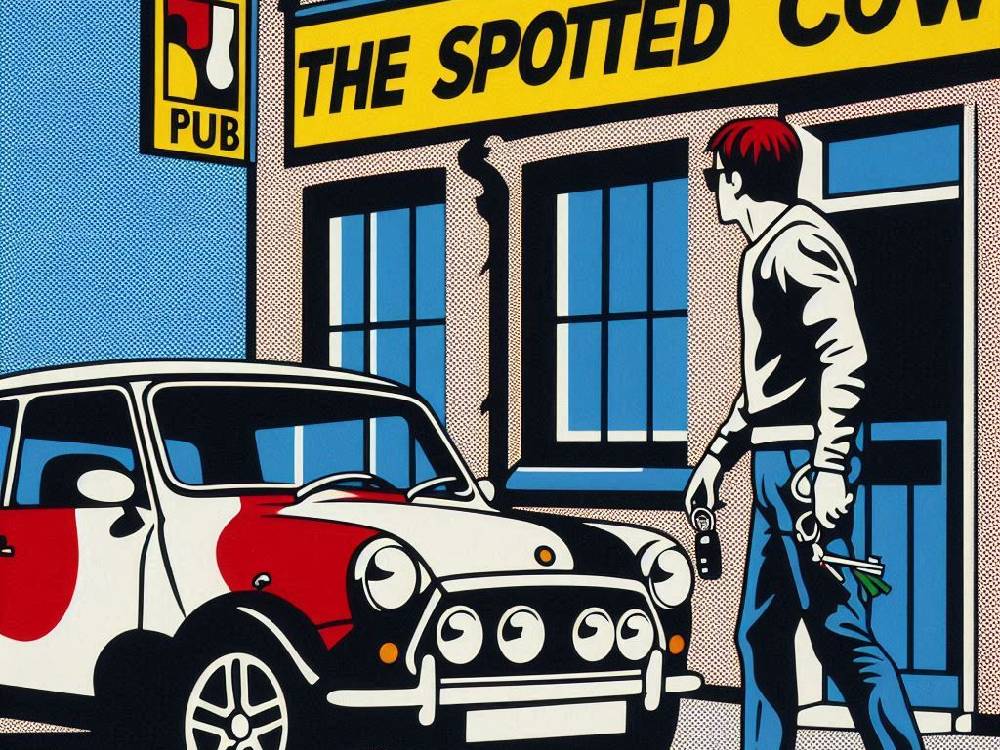
But if your keys are in the ignition.

Or even just in your hand.

Police may believe you intended to drive.

And intention is the trigger.

Not movement.

Nor distance.

Not outcome.

Intention.

This is where people feel blindsided.

Because they weren’t trying to drive.

They were trying not to.

Unfortunately, the law doesn’t always see the nuance.

But wait.

Standing Next To Your Car With Your Keys Can Also Count

Now imagine you’re outside the bar.

Phone in one hand.

Keys in the other.

Waiting for a taxi.

Again, perfectly normal behaviour.

Again, feels harmless.

But from a policing perspective, you are:

  • In close proximity to your vehicle
  • In possession of the keys
  • Potentially preparing to drive

That combination can be enough to raise suspicion.

And once suspicion exists, questioning follows.

And once questioning starts, interpretation matters.

This is not theory.

This is how charges happen.

If you’re trying to maintain access to cheap car insurance, this is exactly the kind of scenario that quietly destroys it.

You can see how drink-related offences impact premiums here:
https://www.cheapcarinsurance.co.uk/very-cheap-car-insurance/

Here’s the catch.

Intention To Drive: Drink Driving Car Insurance Rule That Changes Everything

The single most important word in this entire situation is intention.

Not what you did.

Not what you planned.

But what it looks like you might do.

Police assess intention based on context.

On timing.

On circumstances.

And on motivation.

Which means your normal life can work against you.

Why Work Commitments Can Be Used Against You

Let’s say you’ve had a big night.

You’re over the limit.

But you mention you’ve got work in the morning.

That alone can be seen as motivation to drive.

Not because you said you would.

But because you have a reason to.

Likewise with:

  • Appointments
  • School runs
  • Commitments
  • Deadlines

These everyday realities become evidence.

Which feels harsh.

But legally, it’s logical.

This is exactly why people are advised to stay away from their cars completely if they’ve been drinking.

Not just avoid driving.

Avoid the vehicle.

If you’re interested in how behaviour affects your risk profile, this guide explains it clearly:
Young Drivers Risk £12,000 Loss Over One Illegal Habit

And this is where it starts to hit home.

Legal language makes this sound complicated.

In reality, it’s brutally simple.

According to legal experts, you can be charged with being drunk in charge of a vehicle if indicators suggest you may drive.

Those indicators include:

  • Being close to your car
  • Being inside your car, even in the passenger seat
  • Having the keys in the ignition
  • Having a clear reason to drive

That’s it.

No engine noise required.

No movement required.

Or distance covered.

Just possibility.

This is the part most drivers never learn.

Until it’s too late.

Now it gets expensive.

How This Impacts Your Car Insurance

At first, it feels like a legal issue.

However, in reality, it quickly becomes a financial one.

Because once a drink-related offence appears on your record, insurers respond immediately.

Not slowly.

Not gently.

Immediately.

As a result, every quote changes.

Every insurer recalculates.

Every underwriter reassesses.

Consequently, your Car Insurance stops being competitive and starts being restrictive.

Even Very cheap car insurance becomes difficult to access.

Sometimes permanently.

The Best Time To Buy Car Insurance—And How To Avoid Overpaying

Why Insurers See This As High-Risk Behaviour

On the surface, it looks like one mistake.

However, to insurers, it signals a pattern.

Specifically, a pattern of impaired judgement.

And in insurance terms, impaired judgement equals increased risk.

Therefore, premiums rise.

As a result, excesses increase.

In turn, policy options narrow.

Consequently, flexibility disappears.

Which is why many drivers suddenly struggle to access Cheap Insurance in the UK.

Not because they are bad people.

But because the risk profile changed.

And once a profile changes, pricing follows.

Always.

If you want to understand how insurers calculate these shifts, this breakdown shows it step by step:
Do all Car Insurance Companies Ask About Criminal Convictions?

Why Police Presence Is Increasing Right Now

At this time of year, enforcement intensifies.

Not randomly.

Not coincidentally.

Deliberately.

Because statistically, offences increase.

Therefore, resources follow.

As a result, roadside checks become more common.

In addition, patrols increase.

Meanwhile, checkpoints expand.

Consequently, detection rises.

Which means small mistakes get noticed.

And when mistakes get noticed, consequences follow.

This is precisely why festive periods are high-risk.

Not because drivers are worse.

But because exposure is higher.

And higher exposure always leads to higher capture rates.

This is where caution matters most.

Not later.

Now.

The Safest Option (And It’s Not Clever)

If you are drinking.

Then stay away from your car.

Not mostly.

Not usually.

Completely.

Because proximity creates interpretation.

And interpretation creates risk.

Therefore, distance becomes protection.

As a result, separation becomes strategy.

This is not paranoia.

This is prevention.

So instead, use:

  • A taxi
  • Public transport
  • A lift
  • A hotel
  • A friend’s sofa

Anything except your vehicle.

Because once you are near it, with keys in hand, the narrative changes.

And once the narrative changes, control shifts.

If you are unsure what counts as legal cover in unusual situations, this explains it clearly:
https://www.cheapcarinsurance.co.uk/petrol-money-lift-legality-why-that-lift-could-invalidate-your-car-insurance/

Drink Driving Car Insurance – The Simple Rule That Will Keep You Safe

If you are over the limit.

Stay away from the car.

Full stop.

No exceptions.

No clever workarounds.

Technical arguments are a no no.

Because while logic feels comforting, law is literal.

Therefore, simplicity wins.

Distance equals safety.

Proximity equals exposure.

As a result, one decision protects:

  • Your licence
  • Driving record
  • Premiums
  • Your access to Cheapest car insurance

In turn, that protection preserves your future options.

And that matters more than most people realise.

Especially for younger drivers.

For new drivers.

Anyone already paying too much.

If you are buying insurance for a younger driver, this guide is essential reading:
https://www.cheapcarinsurance.co.uk/uk-car-insurance-for-young-drivers/

Conclusion

At first glance, drink-driving seems simple.

However, in reality, the law is wider.

And the consequences are deeper.

Because this is not just about driving.

It is about access.

About control.

It is about interpretation.

And ultimately, it is about how others judge your intention.

Most drivers never consider this.

Until it costs them.

And by then, it is too late.

If you care about your Car Insurance, this rule matters.

Not occasionally.

Consistently.

Stay away from the car.

Protect your position.

And remove the risk entirely.

Because prevention is always cheaper than repair.

If you want to see how quickly small errors turn into penalties, this guide explains it clearly:
Car Insurance And Wearing Headphones: What UK Drivers Need To Know


Think Before Lying To Your Car Insurance Company?

Introduction

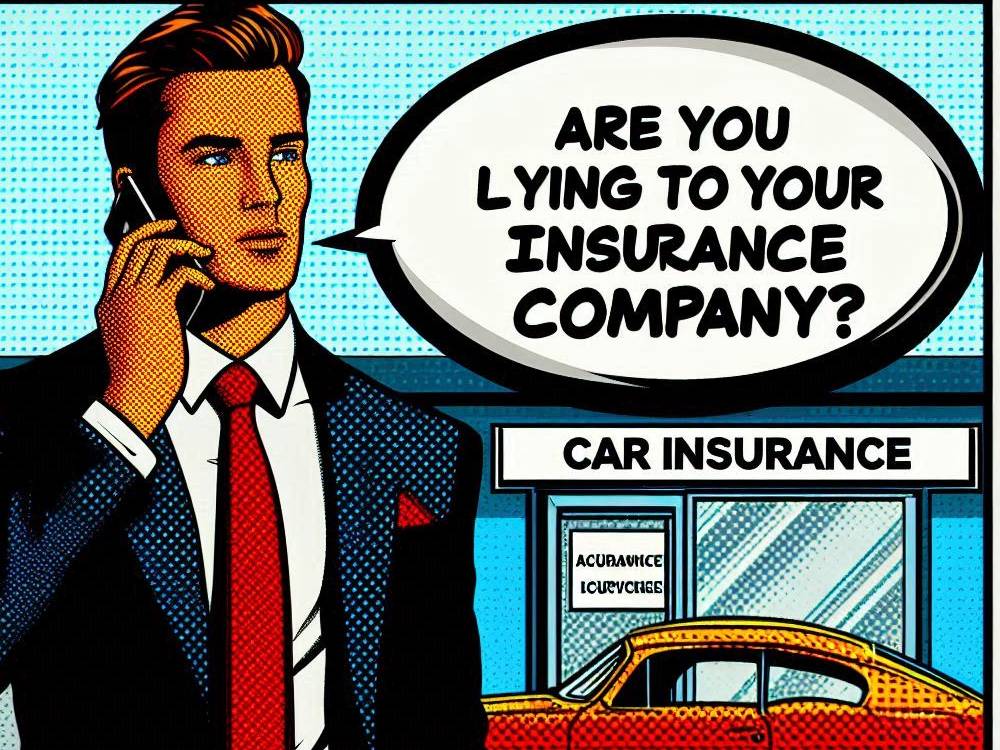
Thinking of lying to your car insurance company?

When it comes to car insurance, one small lie could wreck your financial future.

It might feel harmless.

Tweak a detail here.

Leave something out there.

All to save a few quid on your premium.

But if you’re tempted to bend the truth on your car insurance application — think again.

Because insurers aren’t just taking your word for it.

They’re verifying your info, your driving record, and more.

What Really Happens When Lying To Your Car Insurance Company?

Let’s be clear:

Lying to your car insurance company isn’t just “fudging the details.”

It’s called non-disclosure, and it’s taken seriously.

Here’s what your insurer can do:

  • Cancel your policy without refund
  • Refuse to pay out any claim — even unrelated ones
  • Reject third-party claims made against you
  • Add you to a national fraud register
  • Raise your future quotes
  • Blacklist you from mainstream insurers

Still think it’s worth the risk?

Let me explain…

You could be in a serious accident, and the insurer might refuse to pay out.

Even if the lie was about your address or mileage — not the crash itself.

And that means you’re left to pay everything out of pocket.

Worse still?

You might be prosecuted for insurance fraud, depending on what you failed to disclose.

It’s a high-stakes gamble.

And the house always wins.

If you want to explore your cover options safely, check out Car Insurance Options.

Lying To Your Car Insurance Company Could Invalidate Car Insurance

Modifications You Didn’t Declare

Adding alloys?

Upgrading the exhaust?

Without a doubt, non-disclosure of changes gives your insurer the right to cancel your policy outright.

Moreover, even cosmetic tweaks can significantly increase your insurance risk — often more than drivers realise.

Insurers assess the performance, appeal, and theft risk of your vehicle — and modifications change all three.

So what’s the smart move?

Always notify your insurer before you make any changes.

Then ask how it’ll affect your premium.

It might cost more — but it’ll save your cover.

Read more in Car Modifications: What Should You Declare?

Wrong Use of Vehicle

Be honest:

Are you using your car for work but claiming it’s for “social use only”?

That’s one of the most common and costly mistakes drivers make.

If you drive to work, carry equipment, or travel for business, you need the correct cover.

Otherwise, your insurer can — and likely will — reject your claim.

Even a regular commute to the train station counts as business use.

The roads during rush hour are high-risk.

And if you’re involved in a crash during that time, expect your insurer to scrutinise your declared usage.

Find out what qualifies under Business Car Insurance.

Who’s Really Driving the Car (aka Fronting)

Here’s the scenario:

Mum buys the insurance.

Her teenage son is listed as an “occasional driver.”

But in reality?

He’s the one driving it every day.

That’s called fronting — and it’s illegal.

You might think it’s a clever way to cut the cost of young driver insurance.

But insurers know the trick.

If they catch you?

They’ll cancel the policy.

Refuse any claims.

And potentially alert the authorities.

Want to learn more about Fronting

Lying To Your Car Insurance Company About Your Address

Your postcode affects your premium.

Insurers use local data — from theft rates to traffic levels — to assess risk.

And yes, just two streets over could mean a cheaper quote.

But if your actual address isn’t the one on your policy?

That’s a major issue.

If your car is stolen or damaged, your insurer could refuse to pay.

They might claim you misrepresented your risk profile — and they’d be right.

Don’t gamble with your location.

It’s not just a number on a form.

Lying To Your Car Insurance Company About Your Occupation

Think your job title doesn’t matter?

Think again.

Some professions carry higher risks.

Others, much lower.

Say you’re a delivery driver — but you claim to be “admin staff.”

That’s a clear case of misrepresentation.

Insurers might catch it when checking your employment or payment history.

And when they do?

Your policy could be voided — retroactively.

You’d be driving uninsured without even knowing.

Honesty here isn’t optional.

It’s critical.

Lying To Your Car Insurance Company About Speeding Tickets Or Convictions?

Let’s be honest.

Many drivers receive a speeding ticket and assume it won’t matter.

However, that’s where things go wrong.

You don’t typically need to tell your insurer about a speeding fine right away.

But here’s the catch — you must declare it at renewal.

And if you fail to do that?

You’ve just committed non-disclosure.

Even worse, many insurers ask for convictions from the past five years, not just current ones.

So, although your points might be “spent,” the insurer might still want to know.

Therefore, before renewing your car insurance, check the small print.

Review your driving record carefully.

And most importantly — be upfront.

Still unsure? Read Do All Insurers Need to Know Criminal Convictions?

That one omission could void your cover when you need it most.

So, don’t wait until it’s too late.

Can You Be Charged With Insurance Fraud?

Absolutely — and it happens far more than you’d expect.

Once your information crosses into the realm of intentional deception, you’re now facing insurance fraud.

And that’s no slap on the wrist.

For starters, the insurer will add your name to the CUE database, making it much harder to get insured again.

Worse still, you’ll face rejection from mainstream providers — which means higher costs or no cover at all.

But it doesn’t stop there.

As a result of serious dishonesty, you could face an investigation by the Insurance Fraud Bureau.

That leads to a criminal record — one that follows you everywhere.

So instead of risking your reputation, your licence, and your finances, stay honest.

Because a minor premium saving today could end in a court summons tomorrow.

How To Get Cheap Car Insurance The Right Way

Now that we’ve covered what not to do, let’s shift gears.

You can still find very cheap car insurance — without risking your policy or your future.

Here’s how:

  • Increase your voluntary excess
  • Park your car off-street or in a garage
  • Avoid high-risk modifications
  • Pay your policy annually to avoid interest
  • Reduce your total mileage if possible
  • Install a black box (telematics)
  • Fit anti-theft devices or dash cams

Best of all, each of these methods stays within the rules — and insurers reward that honesty.

As a result, these small changes enhance your risk profile and unlock cheaper quotes.

So instead of lying, take smart, legal steps to cut costs.

Want more tips? Check out 5 Ways to Save Money on Car Insurance

These strategies won’t just save you money — they’ll protect your cover, too.

What If You’ve Already Lied On Your Policy?

Let’s not sugar-coat it — this is serious.

But if you’ve already made a mistake, there’s still time to act.

To be clear, delay gives your insurer more time to find the truth before you admit it.

Here’s what you need to do right now:

  1. Contact your insurer directly — don’t wait for them to find out
  2. Admit the error and provide accurate, updated information
  3. Request a corrected policy before you make any claims
  4. Expect a price change, but be grateful it’s not cancellation

By owning up early, you take back control of the situation.

That honesty may save you from a rejected claim or worse — a fraud investigation.

In the end, insurers prefer honesty, even if it’s delayed.

So fix it today — before they uncover it tomorrow.

Conclusion

Now you know the truth.

At first glance, lying on your car insurance policy might seem like a shortcut to savings.

But it’s actually a fast track to cancelled cover, rejected claims, and legal trouble.

Even a small lie — about your job, mileage, or who’s really driving — can wreck your future.

Instead of cutting corners, take the smarter path.

Be honest.

Start comparing now at Cheap Car Insurance UK

 Similar Articles You Might Like

If you found this helpful, you’ll want to explore these next:

Car Insurance Quote

Step 1

Complete your quick and easy quote

Car Insurance

Step 2

Reveal your car insurance policies

Cheapest

Step 3

Pick your favourite and get instant cover