Introduction
Driving with hay fever.
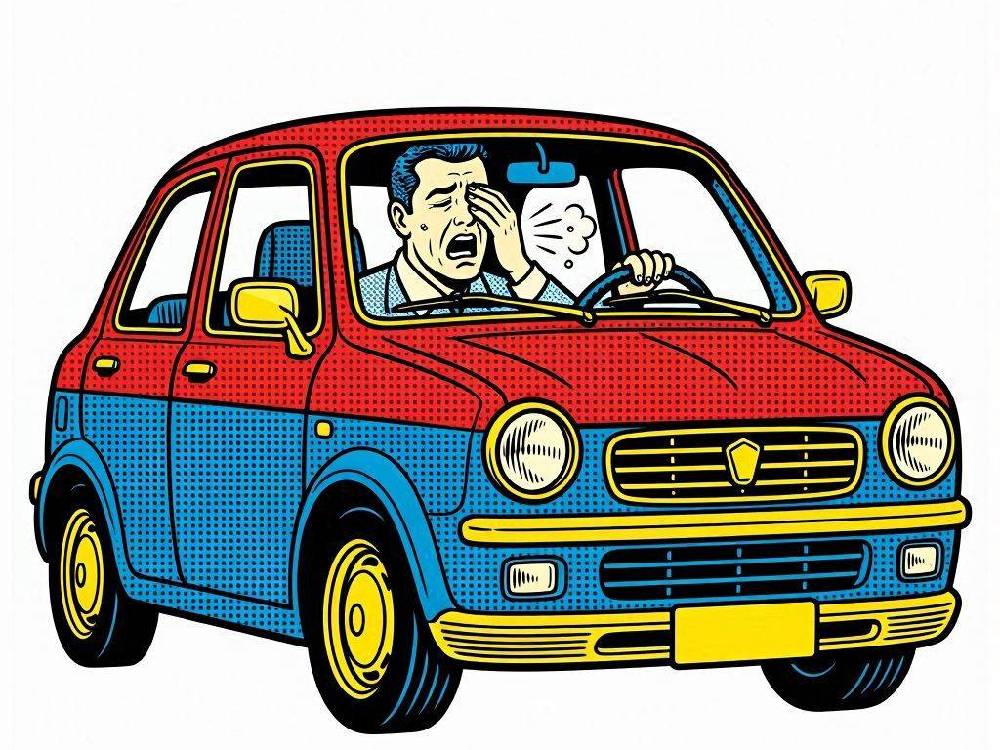
Hay fever can make driving feel harder than it should.
Watery eyes blur your view.
Sneezing breaks your concentration.
Meanwhile, pollen can enter your car through vents, windows, clothes, and old cabin filters.
That matters.
Because anything that affects your focus can increase risk behind the wheel.
So, before your next journey, one small dashboard button could help.
Driving With Hay Fever Can Make Driving More Difficult
Hay fever sounds minor.
However, behind the wheel, it can become a genuine problem.
One sneeze can briefly shut your eyes.
Itchy eyes can pull your attention away from the road.
Meanwhile, a blocked nose can make longer journeys feel tiring and stressful.
Here’s the catch.
Most drivers prepare for rain, ice, fog, and darkness.
Yet many forget pollen.
That is risky, because pollen can affect comfort, concentration, and reaction time.
And although hay fever will not automatically change your Car Insurance, avoidable distractions can still lead to accidents, claims, and higher future costs.
The best drivers do not just react to danger.
They remove small risks before those risks grow.
The Air Recirculation Button Could Be A Game Changer
Most cars have an air recirculation button.
It usually shows a small car with a circular arrow inside.
Many drivers ignore it.
However, during pollen season, it can be surprisingly useful.
Normal ventilation often pulls air from outside.
Unfortunately, on high pollen days, that air can carry pollen straight into the cabin.
Press recirculation, though, and the system reuses air already inside the car.
Therefore, less pollen-heavy outside air gets dragged through the vents.
That can help on rural roads, near fields, around parks, or beside hedgerows.
Think about it.
You may close the windows and turn on the air conditioning.
Yet, without recirculation mode, your car may still bring outside air inside.
That tiny detail can matter.
For anyone comparing Cheap Car Insurance, this may seem small.
However, small habits often support safer, cheaper motoring.
Use The Button Properly On High Pollen Days When Driving With Hay Fever
High pollen days can look harmless.
Blue sky.
Warm air.
Dry roads.
However, that is often when hay fever drivers struggle most.
Here’s where many drivers go wrong.
They open the window for fresh air.
Unfortunately, that can make symptoms worse.
Instead, try this:
- Close the windows.
- Press the recirculation button.
- Use air conditioning to stay cool.
- Let fresh air in occasionally on longer trips.
- Check the pollen filter if airflow feels weak.
That is not complicated.
But it can help.
And when you feel calmer and clearer, you usually drive better.
Check Your Pollen Filter
The recirculation button helps.
However, your pollen filter matters too.
Most modern cars have a cabin filter or pollen filter.
Its job is to catch pollen, dust, and other particles before they enter through the vents.
Yet many drivers forget it exists.
That is understandable.
You do not see it.
You rarely touch it.
But over time, pollen filters can clog.
When that happens, airflow may weaken.
The cabin may smell stale.
Windows may mist up more easily.
Consequently, drivers often open windows instead.
And that lets more pollen in.
So, if hay fever feels worse in your car, check the filter.
Look in your service history.
Check your handbook.
Or ask your garage during your next service.
A fresh filter will not cure hay fever.
However, it may reduce one obvious trigger.
Meanwhile, good maintenance sits neatly alongside comparing Very Cheap Car Insurance before renewal.
Because cheap driving is not only about the quote.
It is also about preventing avoidable problems.
Time Your Journey Where Possible
Sometimes, the best car hack is timing.
Pollen levels can change during the day.
Therefore, if you react badly, planning can help.
You may find earlier journeys easier.
Alternatively, later evening drives may feel calmer once the air cools.
Of course, this will not suit every driver.
Work, school runs, appointments, and family life get in the way.
However, where possible, timing matters.
Before longer journeys, check the pollen forecast.
Then prepare properly.
Close the windows.
Use recirculation.
Carry tissues.
Clean your glasses.
And make sure any hay fever medication does not make you drowsy.
This is basic preparation.
Just like checking tyre pressure.
Or comparing the Cheapest car insurance before your renewal quote lands.
Clean Your Car Inside And Out Before Driving With Hay Fever
Pollen does not only enter through vents.
It also lands on handles, windows, seats, mats, dashboards, and clothing.
Therefore, your car can become a small pollen trap.
Not ideal.
So, during pollen season, cleaning matters.
Wash the outside when pollen builds up.
Pay attention to handles, mirrors, window seals, and the boot area.
Then move inside.
Vacuum the carpets.
Wipe the dashboard with a damp cloth.
Clean the steering wheel.
Also, remove old jackets, towels, and bags if they collect dust or pollen.
Here’s the trick.
Avoid dry wiping heavy pollen from bodywork.
Instead, rinse it away where possible.
Ignoring the pollen is easier.
But it is rarely smarter.
For drivers looking for Cheap Insurance UK, this broader mindset helps.
Because cheaper motoring also means reducing avoidable hassle.
EV And Hybrid Drivers Should Check Filters Too
Electric and hybrid drivers should not ignore pollen filters.
Although these cars work differently, they still have cabin filtration systems.
Some newer electric cars use advanced filters.
However, filters still collect pollen.
Filters still clog.
And eventually, airflow can still weaken.
So, if you drive an EV or hybrid, check your handbook.
Better still, ask about the cabin filter during servicing.
After all, pollen does not care what powers your car.
It only needs a way in.
And, as more UK drivers consider electric vehicles, it makes sense to review Car Insurance For Electric Vehicles before choosing cover.
Watch Where You Park
That shady tree may look tempting.
However, it could leave your car coated in pollen.
Then, when you return, you disturb everything.
You open the door.
You touch the handle.
You sit down.
And suddenly, pollen enters the cabin again.
So, where possible, park away from trees during high pollen days.
Covered car parks can help.
Underground parking can help too.
Even choosing a more open space may reduce pollen build-up.
Small choices can stack up quickly.
Meanwhile, drivers who want lower running costs may also compare The 10 Cheapest Cars To Insure.
Could Driving With Hay Fever Affect Your Car Insurance?
Hay fever will not automatically increase your Car Insurance premium.
However, the way you drive while suffering symptoms still matters.
If your eyes stream, your concentration drops, or medication makes you drowsy, your driving may become less safe.
That is the key distinction.
Hay fever itself is common.
But poor concentration behind the wheel is still risky.
Therefore, do not drive if you feel unsafe.
Do not ignore medication warnings.
And do not assume a short journey carries no risk.
Common sense protects you.
It may also help you avoid incidents that affect claims, renewals, and future costs.
For more detail, read our guide on what can invalidate your car insurance.
Conclusion
Hay fever can make driving harder when pollen levels rise.
However, simple habits can help.
Press the recirculation button.
Keep the windows closed.
Check the pollen filter.
Clean the cabin.
Plan journeys where possible.
And avoid parking directly under pollen-heavy trees.
None of this is complicated.
Yet, together, these steps can make driving feel calmer, clearer, and safer.
That matters.
Because safer drivers reduce avoidable risks.
And avoidable risks can become expensive when they lead to accidents, claims, or stressful renewals.
So, before pollen season catches you out, check your car and review your cover.
If renewal is coming up, compare options through cheapcarinsurance.co.uk.
You may also find our guides on:
Breakdown Cover helpful before your next policy decision.