Leaving the Scene Of A Car Accident: What Happens to Your Car Insurance?

Introduction

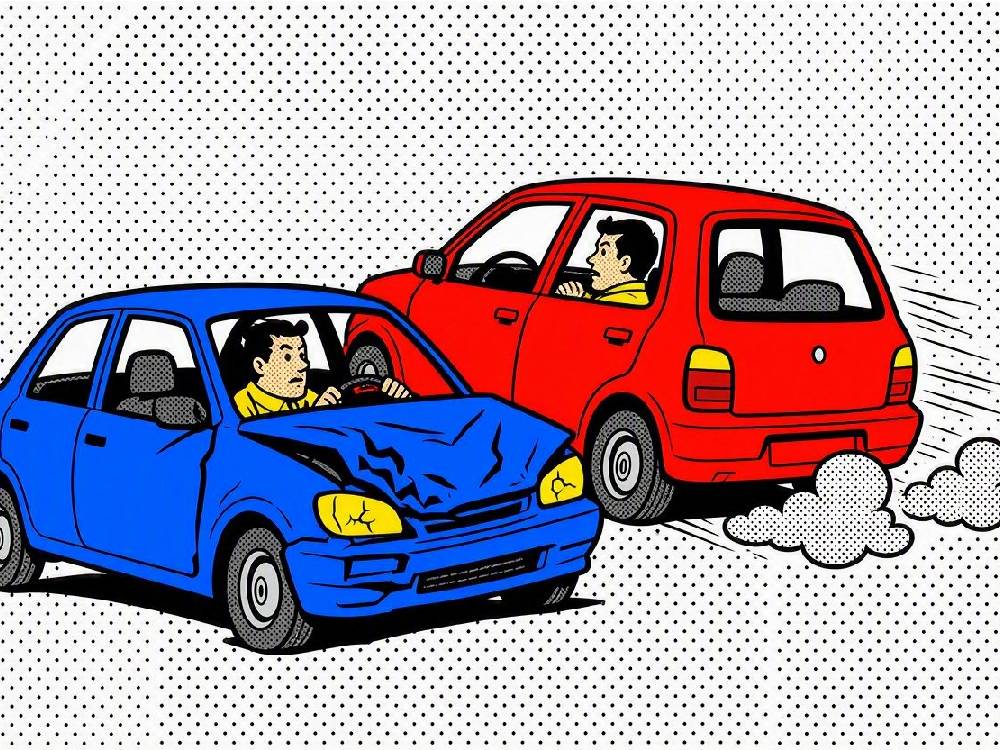
Leaving the scene of a car accident.

A minor bump can happen in seconds, but leaving the scene of a car accident can create much bigger problems.

UK drivers may have legal duties to stop, exchange details and, in some circumstances, report the accident to the police.

Then there’s your car insurance to think about.

A collision, claim or motoring conviction could affect what you pay for cover later, so knowing what to do before panic takes over matters.

Leaving The Scene Of A Car Accident: What Does It Actually Mean?

Most people hear “leaving the scene” and imagine a dramatic hit-and-run.

But it doesn’t have to look like that.

A low-speed collision can still create legal responsibilities.

Even a seemingly insignificant knock may involve another vehicle, property, an animal or an injured person.

Here’s the important part.

Section 170 of the Road Traffic Act 1988 sets out when drivers must stop following certain road accidents.

Simply deciding that “there wasn’t much damage” isn’t always enough.

When Are You Legally Required to Stop?

If you’re involved in a qualifying accident, you must stop.

That can include accidents causing injury to another person or damage to another vehicle or certain property.

So, yes, that little scrape can matter.

The safest approach is simple: stop somewhere safe and establish what has happened.

Don’t drive away because the damage looks trivial from behind the wheel.

What appears to be a tiny mark could look very different once both cars are inspected.

And there’s another reason to stop.

Modern cars are packed with cameras, doorbell footage and dashcams.

Driving away doesn’t mean nobody saw what happened.

Quick takeaway: If you’re involved in an accident, don’t assume “minor” means “nothing to deal with”.

What Information Should You Give?

Stopping is only part of the process.

Where required, you should be ready to provide your name and address.

You may also need to provide the vehicle owner’s details and registration number.

If someone has been injured, insurance details can also become particularly important.

In other words:

Don’t make the roadside conversation harder than it needs to be.

Take photographs, record the other vehicle’s registration and carefully note the details you’ve exchanged.

Avoid arguing about who was at fault.

That can be dealt with later.

Your immediate job is to stay safe, gather information and meet your legal obligations.

What Happens If You Are Leaving The Scene Of A Car Accident?

This is where a small accident can become a much bigger headache.

Failing to stop when legally required can amount to an offence.

Failing to report an accident when required can also amount to an offence.

And those aren’t necessarily the same thing.

There’s the catch.

A driver might stop briefly but still fail to provide the required information.

Another driver might leave without exchanging details but subsequently report the accident correctly.

The exact circumstances matter.

That’s why “I stopped for a minute” doesn’t automatically answer the question.

Leaving The Scene Of A Car Accident: Failing To Stop vs Failing To Report

These phrases often get bundled together.

However, they’re worth separating.

Failing to stop concerns your obligation to stop following a qualifying accident.

Failing to report concerns circumstances where the accident must then be reported to the police.

If the required details aren’t exchanged at the scene, Section 170 can require the accident to be reported as soon as reasonably practicable.

Where that reporting duty applies, the legislation sets an outside limit of 24 hours.

But don’t treat 24 hours as a target.

“As soon as reasonably practicable” is the important wording.

If you realise you’ve made a mistake, acting promptly makes far more sense than watching the clock.

Do You Have To Report Every Car Accident To The Police?

No.

This is where plenty of confusion starts.

An accident doesn’t automatically require a police report simply because two cars touched.

Where the necessary details have been exchanged, there may be no separate duty to report that collision to police.

However, the circumstances can change that.

For example:

If you cannot provide the required details, reporting obligations may arise.

In accidents involving injury, there are also specific requirements concerning insurance information.

The Highway Code gives drivers practical guidance on what to do following a collision.

And remember:

Reporting something to the police and notifying your car insurer are two different issues.

Your insurance policy may require you to tell your insurer about an accident even when you don’t intend to claim.

We’ll come back to that.

What If You Didn’t Realise You Had Hit Something?

This is more plausible than it sounds.

Picture a cramped supermarket car park.

You reverse slowly, hear nothing unusual and drive home.

Later, somebody contacts you about damage to their parked car.

Now what?

Whether a driver genuinely knew an accident had happened can become highly relevant to the individual circumstances.

But don’t invent a story because it feels convenient.

If you’ve discovered that an accident may have happened, deal with the situation promptly.

Contact the appropriate people, preserve any dashcam footage and write down what you remember while it’s fresh.

Small details disappear surprisingly quickly.

What If You Panicked and Drove Away?

People don’t always behave logically after a collision.

Adrenaline kicks in.

Your thoughts race.

And sometimes somebody makes the wrong decision.

But panic doesn’t make the problem disappear.

If you’ve driven away and then realise you should have stopped or reported the accident, don’t simply hope nothing happens.

Take action.

Depending on the circumstances, that may mean contacting the police promptly and notifying your insurer.

And this brings us to the part many drivers worry about most:

What will all of this do to the price of your car insurance?

Does Leaving The Scene Of A Car Accident Affect Your Car Insurance?

Potentially, yes.

An accident may affect your car insurance, particularly if it leads to a claim or motoring conviction.

Here’s the key point.

Insurers don’t all price risk in the same way.

One company may increase your premium sharply, while another may still offer competitive cover.

That’s why comparing car insurance options matters after an accident.

Do You Still Need to Tell Your Insurer?

Possibly.

Making a claim and notifying your insurer are not always the same thing.

Your policy may require you to report an accident even if you plan to pay for repairs yourself.

So don’t guess.

Check your policy wording and provide accurate information.

Trying to hide an accident simply to keep your premium down could cause bigger problems later.

Will Your Car Insurance Become More Expensive?

It can.

However, there’s no fixed amount by which your premium will increase.

Your insurer considers numerous factors, including your claims history, vehicle, postcode, age and driving record.

And here’s where shopping around becomes important.

Your renewal quote isn’t automatically the best price available.

Even after an accident, another insurer may offer significantly cheaper cover.

Our guide to very cheap car insurance explains other ways to reduce the price you pay.

Can You Still Find Cheap Car Insurance After An Accident?

Yes, potentially.

An accident doesn’t automatically prevent you from finding cheap car insurance.

But you need to compare properly.

Don’t make this mistake.

If your existing insurer sends a much higher renewal price, don’t simply accept it because switching feels complicated.

Compare quotes first.

You can also use our five ways to save money on car insurance before buying your next policy.

And always compare like-for-like cover.

The cheapest quote isn’t much use if the policy leaves out something important.

What Should You Do After A Car Accident?

Keep things simple.

  1. Stop safely.
  2. Check whether anyone is injured.
  3. Exchange the required details.
  4. Take photographs.
  5. Record witness information.
  6. Contact the police where required.
  7. Notify your insurer where necessary.

One more thing.

Avoid arguing about fault at the roadside.

Gather the facts first.

What If The Other Driver Is Leaving The Scene Of A Car Accident?

Try to record their registration number immediately.

Take photographs and look for witnesses, CCTV or dashcam footage.

Then report the incident where appropriate and contact your insurer.

Evidence matters.

Even a nearby doorbell camera could help establish what happened.

Could Leaving The Scene Of A Car Accident Affect Future Insurance Quotes?

Yes.

Claims, convictions and driving history can influence future premiums.

If an insurer asks about them, answer accurately.

But don’t assume expensive insurance is inevitable.

Different insurers assess the same driver differently.

Comparing providers remains one of the simplest ways to look for the cheapest car insurance available for your circumstances.

If you’re considering moving insurers, our guide to switching car insurance explains what to check first.

Conclusion

Don’t make a small accident bigger.

Accidents happen.

What you do afterwards matters.

Stop, exchange the required details and report the incident when necessary.

If you’ve already driven away, deal with the situation promptly rather than ignoring it.

Then check your insurance.

An accident may increase your premium, but your existing insurer doesn’t automatically offer the cheapest price.

Compare your options, provide accurate information and look for suitable cover at the lowest sensible cost.

That’s ultimately what Cheap Car Insurance should mean.

Similar Car Insurance Guides

You may also find our guides to comprehensive vs third-party insurance, telematics car insurance and the cheapest cars to insure useful.
 

Airbag Deployed In A Car Accident? What UK Drivers Should Do Next

Introduction

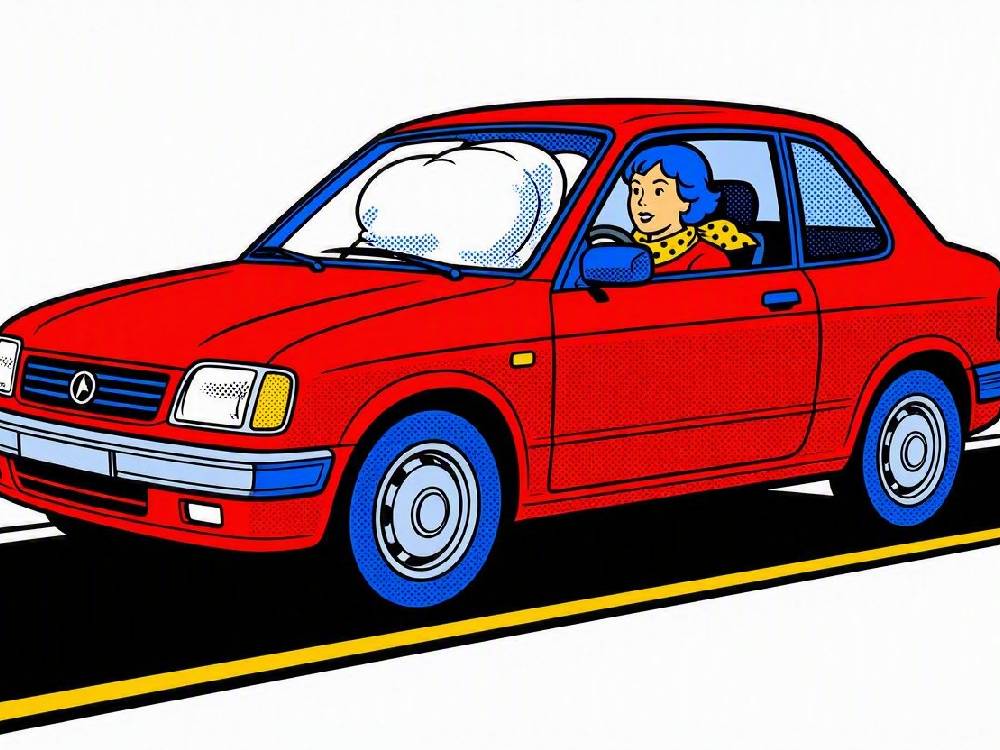
Airbag accident….

An airbag going off can leave you sore, shaken and unsure what to do next, especially when you also need to think about your Car Insurance.

In this guide, we’ll cover:

  • What to do immediately after an airbag deploys.
  • When airbag injuries may need medical attention.
  • What details to collect after an accident.
  • When to contact the police.
  • How an accident may affect your insurance.
  • How to look for Cheap Car Insurance afterwards.

What Do You Have To Do If Airbags Touch You In An Accident?

Airbags deploy extremely quickly.

So, although they help protect you, they can still leave bruises, redness, grazes or soreness.

First things first.

Check yourself and your passengers for injuries.

If anyone is seriously injured, struggling to breathe or unconscious, call 999.

Then focus on making the situation safe.

Don’t worry about repair costs or the cheapest car insurance while you’re still dealing with the accident.

People come first.

Safety first. Insurance second.

If you can leave the vehicle safely, move away from traffic and find somewhere secure.

However, don’t put yourself at greater risk simply to get out of the car.

Why Does An Airbag Accident Hurt When It Goes Off?

An airbag isn’t a soft cushion that gently appears in front of you.

It has to inflate in a fraction of a second.

That force can leave marks on your face, arms, hands or chest.

Your seat belt may also cause soreness during the same impact.

Here’s the important bit.

Don’t assume every ache came from the airbag.

The collision itself can cause injuries too.

If pain is severe, worsening or worrying, seek medical help.

Can An Airbag Accident Burn You?

Yes.

Airbag deployment can sometimes leave burns, abrasions or irritated skin.

If you suffer a burn, NHS guidance recommends cooling it with cool running water for at least 20 minutes.

Avoid using ice or iced water.

And don’t improvise.

If the burn looks serious, covers a large area or causes significant pain, seek medical advice.

Your health matters more than documenting every detail for an insurance claim.

When Should You Get Medical Help?

Some airbag injuries are minor.

Others need proper assessment.

Call 999 if someone has serious injuries, loses consciousness or has difficulty breathing.

For less urgent concerns, NHS 111 can advise you on what to do next.

There’s another point worth remembering.

Adrenaline can mask pain immediately after a crash.

So don’t ignore symptoms simply because you initially felt fine.

What Should You Do Immediately After An Airbag Accident?

Once everyone is safe, start dealing with the practical side.

That includes collecting information for your insurer.

1. Stop And Make The Scene Safe

If you’re involved in an accident, stop.

Use your hazard lights where appropriate and stay aware of passing traffic.

The Highway Code advises drivers to avoid creating further danger after an incident.

In short:

Don’t turn one accident into two.

2. Check Everyone For Injuries

Check yourself first.

Then check passengers and other people involved where it is safe to do so.

If someone needs urgent help, call 999.

At this stage, whether you have comprehensive cover or another car insurance option can wait.

3. Exchange Details

If the accident causes injury or damage, you may need to provide your name, address and vehicle registration.

If you don’t own the vehicle, the owner’s details may also be required.

Don’t rely on memory.

Record:

  • Names and contact details.
  • Registration numbers.
  • Vehicle details.
  • Insurance information.
  • Witness details.
  • The time and location.

Stick to the facts.

Avoid arguing about blame at the roadside.

4. Take Photos

If it is safe, photograph the vehicles and damage.

Also capture number plates, road markings, signs and the surrounding area.

Photographs can help later when you explain what happened to your Car Insurance provider.

But safety still comes first.

Never stand in moving traffic just to get a better picture.

5. Report The Accident When Required

Not every accident requires police attendance.

However, GOV.UK states that if you don’t provide the required details at the scene, you must report the accident to police within 24 hours.

That deadline matters.

Once the immediate situation is under control, you can start thinking about the claim itself.

And that’s where the insurance questions begin.

Do You Have To Tell Your Car Insurance Company?

In most cases, yes.

Even if you don’t plan to claim, your policy may require you to report the accident.

That distinction matters.

Reporting an accident and making a claim are not always the same thing.

Check your policy wording and contact your insurer as soon as reasonably possible.

Delaying could cause problems later.

And if you’re unsure what can affect cover, read our guide to what can invalidate your car insurance.

Petrol Money Lift Legality: Why That Lift Could Invalidate Your Car Insurance

Does An Airbag Going Off Mean Your Car Is Written Off?

No.

A deployed airbag does not automatically mean your car will be written off.

However, repairs can become expensive.

Airbags are only one part of the equation.

Insurers may also consider:

  • Structural damage.
  • Vehicle value.
  • Dashboard damage.
  • Seat belt systems.
  • Labour costs.
  • Replacement parts.
  • The number of airbags deployed.

Here’s the catch.

A relatively low-value car may become uneconomical to repair much sooner than an expensive vehicle.

So the final decision usually comes down to repair costs versus the value of the car.

Will An Airbay Accident Increase Your Car Insurance?

Possibly.

But there isn’t a fixed percentage increase that applies to everyone.

Insurers assess risk differently.

Your future premium may depend on your claims history, circumstances of the crash, vehicle, location and other rating factors.

Even a non-fault accident may still need to be declared when an insurer asks about previous incidents.

And this is where shopping around matters.

One insurer might increase your renewal sharply.

Another may price the same driver very differently.

That’s why accepting your renewal automatically can be expensive.

If your premium rises, compare alternatives before paying.

You can also look at our five ways to save money on car insurance.

Can You Still Get Cheap Car Insurance After An Airbag Accident?

Yes.

Having an accident doesn’t mean you’re permanently locked out of Cheap Car Insurance.

However, you may need to compare more carefully.

Insurers use different pricing models, so quotes can vary significantly.

The key point?

Don’t assume your current insurer will remain the cheapest.

Compare the total policy, not just the headline price.

Look at the excess, cover level, optional extras and any restrictions.

If your renewal has jumped, it may also be worth considering whether you should switch car insurance.

Finding very cheap car insurance is useful.

But only if the policy still gives you the cover you actually need.

Can You Drive After The Airbags Have Deployed?

Just because the engine starts doesn’t mean the car is safe to drive.

Airbag deployment usually means the vehicle has experienced a significant impact.

Other safety systems may also have been affected.

So don’t guess.

If you have doubts about the condition of the vehicle, arrange recovery and proper inspection.

Driving a damaged car could create another risk.

And that is the last thing you need.

Common Mistakes To Avoid After An Airbag Accident

A stressful accident makes simple mistakes surprisingly easy.

Try to avoid these:

  • Leaving without exchanging details.
  • Forgetting to take photographs.
  • Arguing about blame at the roadside.
  • Ignoring worsening pain.
  • Delaying contact with your insurer.
  • Assuming deployed airbags mean an automatic write-off.
  • Driving a damaged car without checking it is safe.
  • Accepting an expensive renewal without comparing alternatives.

One final warning.

Don’t give inaccurate information to your insurer because you think it might keep your premium down.

Accuracy matters.

Answer questions truthfully and provide the information your insurer requests.

How To Find Cheaper Car Insurance After An Airbag Accident

If your next renewal increases, there are still ways to control costs.

Start by comparing quotes.

Then check whether your annual mileage is still accurate.

Consider your voluntary excess carefully.

And make sure you’re comparing equivalent levels of cover.

You can also review comprehensive versus third-party insurance before deciding purely on price.

Sometimes comprehensive insurance can be competitively priced.

So never assume less cover automatically means Cheap Insurance UK drivers will pay less.

Finally, consider the car itself.

Insurance costs can vary enormously between models.

If you’re replacing a written-off vehicle, our guide to the cheapest cars to insure can help you narrow the options.

Conclusion

An airbag going off can be frightening, but the order of priorities is simple.

People first.

Evidence second.

Insurance next.

Check for injuries, make the scene safe, exchange details and record what happened.

Then contact your insurer and deal with the claim.

And if the accident pushes your premium up, don’t assume you have to accept it.

Comparing providers could still help you find the cheapest car insurance available for your circumstances.

Similar Guides

If you found this useful, you may also want to read our guides to courtesy car insurance, breakdown cover and how insurers calculate car insurance.

Car Insurance: How Do Insurers Determine Who Was at Fault?

Introduction

Following a car accident, the overwhelming aftermath requires immediate action, making it essential to determine fault quickly.

Furthermore, for insurers, it’s not simply about assigning blame — it’s about financial responsibility.

If you are at fault, your insurance company must cover the costs.

So, how exactly do insurers determine fault, and what happens when the situation isn’t as clear-cut?

Let’s explore how this process works and why it matters for you.

  • Why determining fault is crucial for insurers and policyholders.
  • Types of evidence used to figure out who’s to blame.
  • How disputes between insurers get resolved.
  • Steps you should take after an accident.

Why Determining Fault Matters

When a car accident happens, deciding who was at fault goes beyond the obvious — it’s about money.

If you’re found at fault, your insurance premiums might increase, and if you only have third-party cover, you could be left paying for your own vehicle’s damage out of pocket.

That’s why insurers invest so much time into figuring out the details.

The outcome also affects who pays for repairs and medical bills.

If you’re deemed responsible, your insurer must cover the other party’s damages, and you could see a hefty rise in your premiums.

On the flip side, proving the other party is at fault can save you thousands of pounds.

Learn more about third-party vs comprehensive car insurance.

Here’s why it matters.

It’s not just about who’s to blame — it’s about protecting your finances.

Evidence Insurers Use To Determine Fault

Insurers need concrete evidence to decide who’s at fault in an accident.

This evidence can come from a variety of sources, and the more you provide, the better your chances of proving your case.

Photos of the scene, dashcam footage, and written accounts are the first things insurers look for.

Eyewitness statements can also help clarify the situation, but not everyone sticks around after a crash.

Some insurers might even use CCTV footage from nearby cameras to get an unbiased view of the incident.

But that’s not all.

Even the condition of the vehicles post-accident can provide clues about the collision.

For example, a rear-end collision often points to the driver behind as being at fault.

Don’t get caught out: Dashcam mistake that could cost you.

Common Disputes And Resolutions

Sometimes, both parties involved in the accident believe they weren’t at fault.

When this happens, insurers will need to dig deeper into the evidence.

This back-and-forth can take time as each insurer tries to avoid covering the costs.

If neither insurer admits fault, two possible outcomes emerge.

First, the claim may be split 50/50, meaning both parties share the financial burden.

This is often seen in accidents where the evidence is unclear, and both drivers have a case.

Here’s what happens next.

If insurers can’t agree, the case might go to court.

Nevertheless, court cases remain rare because they are both expensive and time-consuming for insurers.

In fact, unless a large sum is at stake — such as in personal injury claims — insurers usually avoid this route.

Want to avoid costly mistakes? Find out what will invalidate your car insurance.

Who’s At Fault?  What To Do After An Accident

If you’re involved in an accident, your first priority is safety.

But once everyone is safe, it’s crucial to gather as much evidence as possible.

Why?

Because this evidence can make or break your claim.

Start by taking photos of the damage to both vehicles, as well as the surrounding scene.

If there are any visible skid marks, damage to road signs, or debris on the road, snap a photo.

These details help insurers piece together what happened.

Next, get the other driver’s registration number and insurance details.

It’s also helpful to note down any eyewitness contact information.

Their account could be vital if the other party disputes your version of events.

It’s critical to know what to do.

Collecting this evidence could save you a lot of headaches later on, especially if the other driver changes their story.

5 ways to save money on car insurance.

Potential Court Cases: Rare But Costly

In some cases, even after reviewing all the evidence, both insurers refuse to accept responsibility.

This can lead to the dreaded outcome: a court case.

Court cases are rare because they are costly and time-consuming for everyone involved.

However, if large sums of money are at stake — particularly in cases involving personal injury — insurers might take the matter to court.

But wait, there’s more.

Court cases can drag on for months, with both sides presenting expert witnesses, accident reconstructions, and legal arguments.

For you, the policyholder, this can mean a long and stressful process as you wait for the final verdict.

Most insurers try to avoid this by negotiating a settlement before things reach that stage.

Wondering what happens if someone else causes the accident? Here’s what you need to know..

Conclusion

Determining who was at fault in a car accident is a complex process that involves gathering various forms of evidence and sometimes long disputes between insurers.

It’s essential for you as the policyholder to be proactive after an accident, collecting as much information as possible to protect yourself.

Whether you want to avoid higher premiums or hold the other party responsible, knowing what to do and understanding how insurers work makes a significant difference.

For more tips on navigating car insurance costs, check out these blogs:

Why has car insurance risen in 2024?

Young drivers risk fraud to save on costs

How Do I Check If My Car Is Insured?

Introduction

How do I check if my car is insured?

Ever found yourself questioning, “Is my car insured?”

Well, it’s not just a random curiosity.

The importance of knowing your car’s insurance status is crucial.

You’re not only sidestepping potential fines but also ensuring you’re adequately covered in case of an accident.

But how do you confirm your car insurance status?

We’ve got you covered!

This article will guide you through:

  • Grasping the basics of car insurance
  • Understanding the seriousness of driving without insurance
  • Utilizing the Motor Insurance Database (MID) to check your insurance status

Sounds like a plan?

Let’s delve in!

Understanding Car Insurance

To start, let’s unravel what car insurance is.

In its simplest form, it’s a contract you hold with your insurance company.

You pay a premium.

They agree to cushion specific losses within the policy term.

But why should you care?

Car insurance acts as your financial safeguard against potential damage or injury from road mishaps.

And from liability that could ensue from such incidents.

Ready for more?

Let’s venture forth!

Here comes the big question.

Is driving on UK public roads without at least third-party car insurance lawful?

Absolutely not.

Let’s get this clear.

It’s a legal mandate, not a preference.

And why does this matter?

It ensures all road users are protected.

If an accident happens due to your fault, your insurance will cover the expenses for the other party.

Uninsured driving can attract heavy penalties.

We’re talking fines, penalty points, or even being barred from driving.

So, “Can I take the risk of driving without car insurance?”

The answer, resoundingly, is “No.”

Not unless you’re ready to face harsh repercussions.

Keeping up?

Excellent. Let’s press on.

How Do I Check If My Car Is Insured?

Now, the meat of the matter.

“How do I validate my car’s insurance?”

Simple solution.

Leverage the Motor Insurance Database (MID).

This is the central record of all insured vehicles in the UK.

The process is straightforward.

Do a quick, free check using your car registration number on askMID.

You’ll get a straightforward “Yes” or “No” response about your insurance status.

Confused about your car insurance status?

You now know where to look!

Coming up, we’ll delve into insurance scams.

And how you can dodge falling prey to them.

Stay tuned!

For additional tips and information on car insurance, be sure to explore more of our resources on car insurance options, saving money on your car insurance, and what to consider when switching car insurance providers.

Spotting And Avoiding Insurance Scams

Here’s something you don’t want to overlook.

Scammers.

You’ve probably heard about them.

And in the car insurance sector?

They are unfortunately rampant.

Let’s explore this a bit further.

These fraudsters might call you up, posing as the Motor Insurers’ Bureau (MIB).

They promise refunds or compensation.

Sounds fishy?

That’s because it is.

Remember this.

The MIB will never contact individuals offering money.

Got an unexpected call like this?

Hang up.

Immediately.

And there’s more.

You should report these scam calls to the MIB.

By doing this, you play a part in preventing others from falling victim.

How To Find Out Which Insurance Provider Covers Your Car

How Do I Check If My Car Is Insured?

Here’s another issue you might face.

Forgetting who your car insurance is with.

You’re not alone.

You can get this detail from the MIB for a small fee.

They’ll help you identify your insurer.

Easy enough, right?

Checking Your Car Insurance Expiration Date

Here’s something critical to remember.

Your car insurance expiration date. How Do I Check If My Car Is Insured?

Let’s break it down.

If your car insurance lapses, you’re effectively driving uninsured.

And we’ve already covered the perils of that, haven’t we?

You might be wondering, “How do I keep tabs on my car insurance renewal date?”

The answer is simple.

Just contact your insurance provider.

They’ll provide the specifics.

Easy, right?

The Consequences Of Driving Without Insurance

This is something you need to seriously consider.

Driving without insurance in the UK?

It’s a big deal.

It’s not just about fines.

Penalty points on your license are also on the line.

In the worst case?

You might even lose your right to drive.

Now picture that.

Still think driving without insurance is a risk worth taking?

Think again.

Stay tuned as we dive deeper into this in the next section.

Meanwhile, check out our guide on the cost of car insurance for a new driver and the pros and cons of multi-car insurance.

Exceptions To The Insurance Requirement

Hold on.

Before we paint all situations with the same brush, let’s clarify.

There are exceptions to the insurance mandate.

Sounds surprising?

It’s called the Statutory Off Road Notification (SORN).

If your vehicle is off the road and you’ve declared it as such, you’re off the hook.

You don’t need insurance in this case.

The key is – you’ve made a SORN declaration.

Under no circumstances should you use your vehicle on public roads during this period.

Now, that’s something new, isn’t it?

You Are Involved With In An Accident

Let’s say you’ve been in an accident.

And you’re not at fault.

Here’s the big question.

How do you check the insurance status of the other car?

Well, it’s a breeze!

Remember the Motor Insurance Database (MID) we spoke about?

It comes to your rescue again!

You can check the other car’s insurance status on askMID.

You’ll need the car’s registration number.

That’s it.

It’s that simple.

For more comprehensive guides, have a look at what to do when switching car insurance, and our article on car insurance for electric vehicles.

Exploring Further Car Insurance Options

But what about other insurance options?

Do you have choices?

Absolutely!

You’ve got a few paths to consider.

Like temporary car insurance, for instance.

Ideal for short-term needs.

Or comprehensive car insurance.

For those who want that extra layer of protection.

You might even want to look at classic car insurance if you’ve got a vintage beauty in your garage.

Options, options, options!

It’s all about finding the right fit.

And we’re here to help you do just that.

Wrapping Up

Alright, we’ve covered a lot of ground.

From understanding the importance of car insurance…

To checking if your car is insured…

We’ve walked you through the essential steps.

But remember, insurance isn’t a luxury.

It’s a necessity.

Drive safe, and stay insured.

Till next time!

Don’t forget to check out our article on the 10 cheapest cars to insure in 2023 and the ins and outs of telematics car insurance. And if you’re concerned about how your credit score might affect your insurance, we’ve got you covered too.

Car Insurance Quote

Step 1

Complete your quick and easy quote

Car Insurance

Step 2

Reveal your car insurance policies

Cheapest

Step 3

Pick your favourite and get instant cover