Introduction
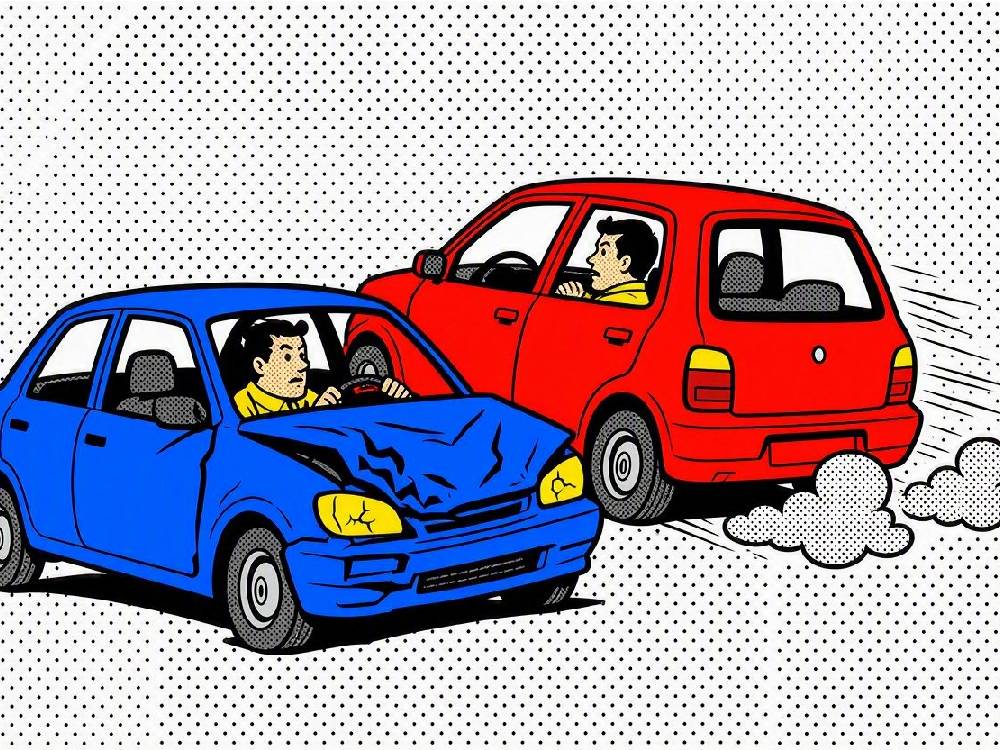
Leaving the scene of a car accident.
A minor bump can happen in seconds, but leaving the scene of a car accident can create much bigger problems.
UK drivers may have legal duties to stop, exchange details and, in some circumstances, report the accident to the police.
Then there’s your car insurance to think about.
A collision, claim or motoring conviction could affect what you pay for cover later, so knowing what to do before panic takes over matters.
Leaving The Scene Of A Car Accident: What Does It Actually Mean?
Most people hear “leaving the scene” and imagine a dramatic hit-and-run.
But it doesn’t have to look like that.
A low-speed collision can still create legal responsibilities.
Even a seemingly insignificant knock may involve another vehicle, property, an animal or an injured person.
Here’s the important part.
Section 170 of the Road Traffic Act 1988 sets out when drivers must stop following certain road accidents.
Simply deciding that “there wasn’t much damage” isn’t always enough.
When Are You Legally Required to Stop?
If you’re involved in a qualifying accident, you must stop.
That can include accidents causing injury to another person or damage to another vehicle or certain property.
So, yes, that little scrape can matter.
The safest approach is simple: stop somewhere safe and establish what has happened.
Don’t drive away because the damage looks trivial from behind the wheel.
What appears to be a tiny mark could look very different once both cars are inspected.
And there’s another reason to stop.
Modern cars are packed with cameras, doorbell footage and dashcams.
Driving away doesn’t mean nobody saw what happened.
Quick takeaway: If you’re involved in an accident, don’t assume “minor” means “nothing to deal with”.
What Information Should You Give?
Stopping is only part of the process.
Where required, you should be ready to provide your name and address.
You may also need to provide the vehicle owner’s details and registration number.
If someone has been injured, insurance details can also become particularly important.
In other words:
Don’t make the roadside conversation harder than it needs to be.
Take photographs, record the other vehicle’s registration and carefully note the details you’ve exchanged.
Avoid arguing about who was at fault.
That can be dealt with later.
Your immediate job is to stay safe, gather information and meet your legal obligations.
What Happens If You Are Leaving The Scene Of A Car Accident?
This is where a small accident can become a much bigger headache.
Failing to stop when legally required can amount to an offence.
Failing to report an accident when required can also amount to an offence.
And those aren’t necessarily the same thing.
There’s the catch.
A driver might stop briefly but still fail to provide the required information.
Another driver might leave without exchanging details but subsequently report the accident correctly.
The exact circumstances matter.
That’s why “I stopped for a minute” doesn’t automatically answer the question.
Leaving The Scene Of A Car Accident: Failing To Stop vs Failing To Report
These phrases often get bundled together.
However, they’re worth separating.
Failing to stop concerns your obligation to stop following a qualifying accident.
Failing to report concerns circumstances where the accident must then be reported to the police.
If the required details aren’t exchanged at the scene, Section 170 can require the accident to be reported as soon as reasonably practicable.
Where that reporting duty applies, the legislation sets an outside limit of 24 hours.
But don’t treat 24 hours as a target.
“As soon as reasonably practicable” is the important wording.
If you realise you’ve made a mistake, acting promptly makes far more sense than watching the clock.
Do You Have To Report Every Car Accident To The Police?
No.
This is where plenty of confusion starts.
An accident doesn’t automatically require a police report simply because two cars touched.
Where the necessary details have been exchanged, there may be no separate duty to report that collision to police.
However, the circumstances can change that.
For example:
If you cannot provide the required details, reporting obligations may arise.
In accidents involving injury, there are also specific requirements concerning insurance information.
The Highway Code gives drivers practical guidance on what to do following a collision.
And remember:
Reporting something to the police and notifying your car insurer are two different issues.
Your insurance policy may require you to tell your insurer about an accident even when you don’t intend to claim.
We’ll come back to that.
What If You Didn’t Realise You Had Hit Something?
This is more plausible than it sounds.
Picture a cramped supermarket car park.
You reverse slowly, hear nothing unusual and drive home.
Later, somebody contacts you about damage to their parked car.
Now what?
Whether a driver genuinely knew an accident had happened can become highly relevant to the individual circumstances.
But don’t invent a story because it feels convenient.
If you’ve discovered that an accident may have happened, deal with the situation promptly.
Contact the appropriate people, preserve any dashcam footage and write down what you remember while it’s fresh.
Small details disappear surprisingly quickly.
What If You Panicked and Drove Away?
People don’t always behave logically after a collision.
Adrenaline kicks in.
Your thoughts race.
And sometimes somebody makes the wrong decision.
But panic doesn’t make the problem disappear.
If you’ve driven away and then realise you should have stopped or reported the accident, don’t simply hope nothing happens.
Take action.
Depending on the circumstances, that may mean contacting the police promptly and notifying your insurer.
And this brings us to the part many drivers worry about most:
What will all of this do to the price of your car insurance?
Does Leaving The Scene Of A Car Accident Affect Your Car Insurance?
Potentially, yes.
An accident may affect your car insurance, particularly if it leads to a claim or motoring conviction.
Here’s the key point.
Insurers don’t all price risk in the same way.
One company may increase your premium sharply, while another may still offer competitive cover.
That’s why comparing car insurance options matters after an accident.
Do You Still Need to Tell Your Insurer?
Possibly.
Making a claim and notifying your insurer are not always the same thing.
Your policy may require you to report an accident even if you plan to pay for repairs yourself.
So don’t guess.
Check your policy wording and provide accurate information.
Trying to hide an accident simply to keep your premium down could cause bigger problems later.
Will Your Car Insurance Become More Expensive?
It can.
However, there’s no fixed amount by which your premium will increase.
Your insurer considers numerous factors, including your claims history, vehicle, postcode, age and driving record.
And here’s where shopping around becomes important.
Your renewal quote isn’t automatically the best price available.
Even after an accident, another insurer may offer significantly cheaper cover.
Our guide to very cheap car insurance explains other ways to reduce the price you pay.
Can You Still Find Cheap Car Insurance After An Accident?
Yes, potentially.
An accident doesn’t automatically prevent you from finding cheap car insurance.
But you need to compare properly.
Don’t make this mistake.
If your existing insurer sends a much higher renewal price, don’t simply accept it because switching feels complicated.
Compare quotes first.
You can also use our five ways to save money on car insurance before buying your next policy.
And always compare like-for-like cover.
The cheapest quote isn’t much use if the policy leaves out something important.
What Should You Do After A Car Accident?
Keep things simple.
- Stop safely.
- Check whether anyone is injured.
- Exchange the required details.
- Take photographs.
- Record witness information.
- Contact the police where required.
- Notify your insurer where necessary.
One more thing.
Avoid arguing about fault at the roadside.
Gather the facts first.
What If The Other Driver Is Leaving The Scene Of A Car Accident?
Try to record their registration number immediately.
Take photographs and look for witnesses, CCTV or dashcam footage.
Then report the incident where appropriate and contact your insurer.
Evidence matters.
Even a nearby doorbell camera could help establish what happened.
Could Leaving The Scene Of A Car Accident Affect Future Insurance Quotes?
Yes.
Claims, convictions and driving history can influence future premiums.
If an insurer asks about them, answer accurately.
But don’t assume expensive insurance is inevitable.
Different insurers assess the same driver differently.
Comparing providers remains one of the simplest ways to look for the cheapest car insurance available for your circumstances.
If you’re considering moving insurers, our guide to switching car insurance explains what to check first.
Conclusion
Don’t make a small accident bigger.
Accidents happen.
What you do afterwards matters.
Stop, exchange the required details and report the incident when necessary.
If you’ve already driven away, deal with the situation promptly rather than ignoring it.
Then check your insurance.
An accident may increase your premium, but your existing insurer doesn’t automatically offer the cheapest price.
Compare your options, provide accurate information and look for suitable cover at the lowest sensible cost.
That’s ultimately what Cheap Car Insurance should mean.
Similar Car Insurance Guides
You may also find our guides to comprehensive vs third-party insurance, telematics car insurance and the cheapest cars to insure useful.