Introduction
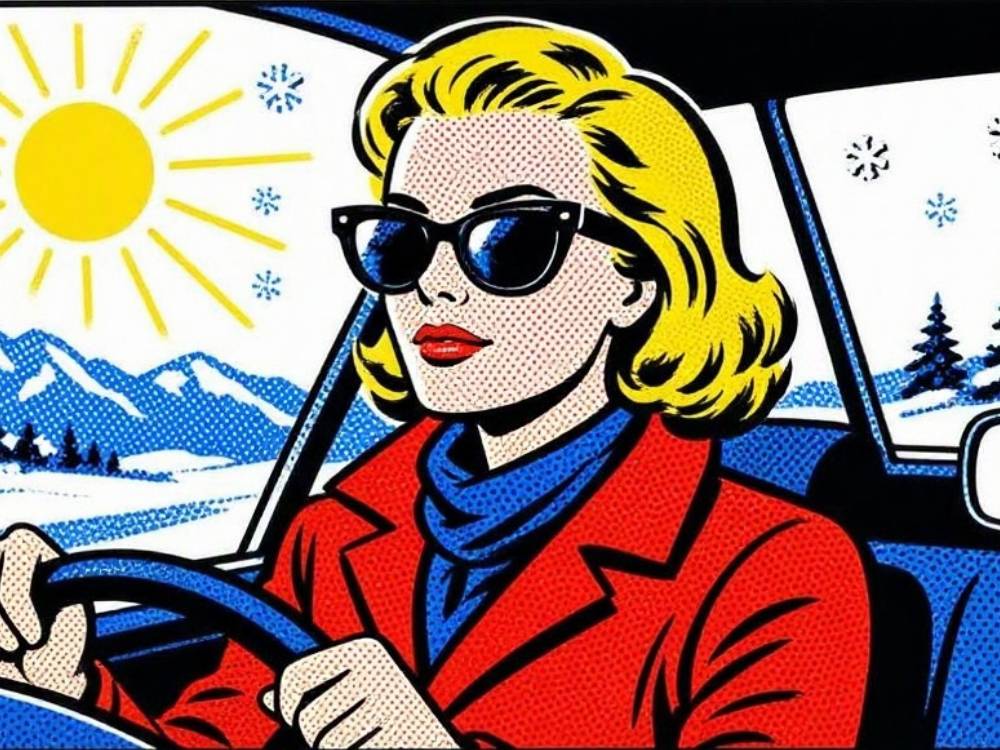
Winter driving sunglasses…
De-icers and ice scrapers are winter essentials, but there’s another item drivers often forget.
Surprisingly, low winter sunshine can create dangerous glare, making even familiar journeys hazardous.
And here’s something worth considering.
If poor visibility causes an accident, your car insurance could become considerably more expensive.
Here’s what we’ll cover:
- Why winter sunshine can be dangerous.
- How sunglasses improve driving visibility.
- Which sunglasses are suitable for UK roads.
- What the law says about driving in sunglasses.
- How sun glare could affect your car insurance.
- Seven practical tips for safer winter driving.
Why Winter Sunshine Can Be More Dangerous Than Summer Sun
You probably associate dazzling sunshine with summer.
However, winter sunlight can be equally troublesome.
Here’s why.
During winter, the sun sits lower in the sky, often shining directly through your windscreen.
And the timing couldn’t be worse.
Morning and evening commutes frequently coincide with periods of intense, low-level sunshine.
Imagine approaching a busy junction on a crisp December morning.
Suddenly, brilliant sunlight fills your windscreen, making it difficult to see approaching traffic.
Even a momentary loss of visibility could have serious consequences.
The Hidden Danger of Winter Sun Glare
Unfortunately, direct sunshine isn’t the only problem.
Wet roads reflect sunlight, while frost and snow can create additional glare.
Furthermore, dirty windscreens scatter light, making hazards harder to identify.
Consequently, pedestrians, cyclists and braking vehicles may become difficult to spot.
According to The Highway Code, motorists should slow down and stop if necessary when dazzled by bright sunlight.
Simple advice, but potentially lifesaving.
Why Every UK Driver Should Keep Winter Driving Sunglasses In Their Car
Most motorists wouldn’t leave home without an ice scraper during winter.
Yet sunglasses rarely make the checklist.
That’s worth reconsidering.
Suitable sunglasses reduce glare and improve visual comfort during bright conditions.
Better still, you don’t need an expensive designer pair.
Instead, concentrate on choosing appropriate lenses that don’t compromise your visibility.
Are Polarised Sunglasses Better for Driving?
Polarised sunglasses can be particularly useful on wet roads.
Unlike ordinary tinted lenses, they reduce certain reflections that produce distracting glare.
However, there’s a catch.
Polarised lenses can sometimes make digital dashboards and navigation screens difficult to read.
Therefore, check their compatibility with your vehicle before driving.
Which Winter Driving Sunglasses Are Best for Winter Driving?
Grey and brown lenses are popular daytime choices.
Grey generally preserves natural colours, while brown can improve perceived contrast.
Meanwhile, category 2 and category 3 sunglasses can suit different levels of daytime brightness.
However, category 4 sunglasses are unsuitable for driving because their lenses are excessively dark.
And remember, even appropriate sunglasses should be removed when visibility becomes poor.
Can You Legally Wear Sunglasses While Driving In The UK?
Yes, wearing sunglasses while driving is legal.
However, they mustn’t prevent you from seeing the road properly.
For example, heavily tinted lenses can make pedestrians and other hazards harder to identify.
Similarly, sunglasses suitable for midday sunshine may become dangerous as daylight fades.
Here’s the important distinction.
Wearing sunglasses isn’t automatically an offence, but driving with inadequate visibility could contribute to a careless driving offence.
Furthermore, drivers requiring prescription glasses must maintain the legal eyesight standard when wearing sunglasses.
Ultimately, your eyewear should improve visibility, not restrict it.
Can Sun Glare Affect Your Car Insurance?
Here’s something worth considering.
An accident involving dazzling sunshine could affect your insurance costs long after the collision.
Imagine missing a stationary vehicle because sunlight obscures your vision.
Unfortunately, blaming the weather doesn’t automatically remove your responsibility.
Instead, insurers assess the circumstances and determine liability using the available evidence.
Will Car Insurance Cover an Accident Caused by Sun Glare?
Potentially, yes.
However, protection depends on your policy and the circumstances.
Comprehensive car insurance generally covers accidental damage to your vehicle, subject to policy conditions.
Third-party insurance doesn’t normally cover damage to your own car.
Therefore, understanding your car insurance options is essential.
And there’s another consideration.
An at-fault claim could affect your no-claims discount and increase future premiums.
Consequently, avoiding an accident could save considerably more than buying suitable sunglasses.
Seven Simple Ways To Drive Safely In Winter Sunshine
Fortunately, a few straightforward precautions can make winter journeys safer.
Here are seven worth remembering.
1. Keep Winter Driving Sunglasses Handy
Store suitable sunglasses somewhere accessible before leaving.
However, never search through compartments while driving.
2. Clean Your Windscreen
Dirt and greasy residue can intensify glare.
Therefore, clean both sides of your windscreen regularly.
3. Use Your Sun Visor
Adjust your sun visor to block direct sunlight without obstructing your view.
4. Reduce Your Speed
Bright sunshine can hide approaching hazards.
So, slow down whenever visibility deteriorates.
5. Increase Your Following Distance
Extra space provides valuable reaction time when vehicles brake unexpectedly.
6. Check Your Windscreen Wipers
Worn blades leave streaks that can worsen glare.
Additionally, ensure your screenwash reservoir contains suitable winter screenwash.
7. Stop if Necessary
If sunlight becomes overwhelming, reduce your speed and find somewhere safe to stop.
Never continue driving when you cannot see properly.
Could Safer Winter Driving Help Keep Your Car Insurance Cheaper?
Car insurance premiums depend on numerous factors, including your vehicle, age, address, and claims history.
However, avoiding accidents can help protect your no-claims discount.
And that’s particularly important when searching for cheap car insurance.
But there’s another opportunity to save.
Comparing quotes from different insurers could reveal substantial price differences for similar cover.
Why?
Because every insurer evaluates risk differently.
Consequently, your current provider might not offer the cheapest car insurance at renewal.
Our guide to very cheap car insurance explores ways to reduce premiums.
You can also discover five ways to save money on car insurance.
Nevertheless, always compare cover limits and excesses alongside the price.
Frequently Asked Questions
Should You Wear Sunglasses When Driving in Winter?
Yes, suitable sunglasses can reduce glare during bright winter weather.
However, remove them when daylight fades or visibility deteriorates.
Can You Wear Sunglasses While Driving at Night?
Ordinary tinted sunglasses shouldn’t be worn at night because they restrict the light reaching your eyes.
Can You Blame the Sun for a Car Accident?
Sun glare doesn’t automatically excuse responsibility.
Instead, insurers consider the circumstances and whether reasonable precautions were taken.
Conclusion
Don’t let winter sunshine catch you out.
De-icer and ice scrapers deserve their place in your winter driving kit.
But don’t forget your sunglasses.
The right pair could help you stay safer when low sunshine creates unexpected glare.
And avoiding accidents may also help protect your insurance costs.
Looking for affordable cover?
Compare cheap car insurance quotes to see whether switching could save you money.
Further Reading
For more practical motoring advice, discover whether breakdown cover is worth it or learn how to switch car insurance before your next renewal.