Introduction
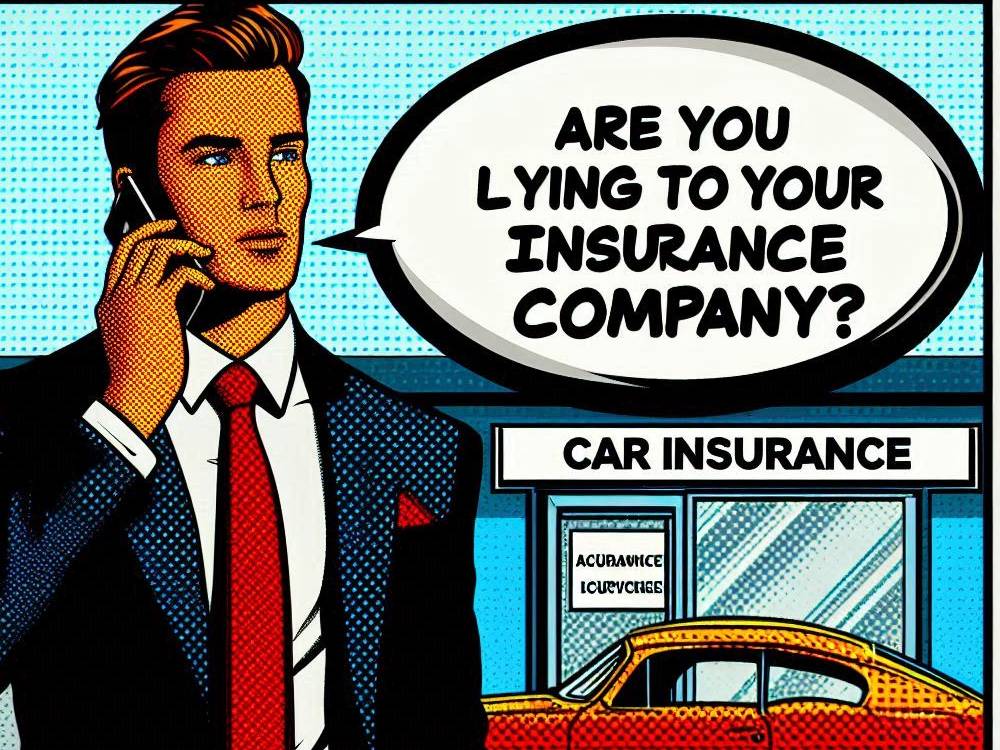
Drink driving car insurance..
Most drivers think drink-driving is simple.
Don’t drink.
Don’t drive.
End of story.
However, that assumption is where people get caught out.
Because in the UK, you can break drink-driving laws without moving your car at all.
And when that happens, your Car Insurance, your licence, and your future premiums are all on the line.
Once insurers see a drink-related offence, the price changes.
And not in your favour.
To protect yourself, and your wallet, it helps to understand what the law really says.
And what insurers really care about.
Why Drink-Driving Offences Spike At This Time of Year
Every year, it follows the same pattern.
Social calendars fill up.
Work parties roll in.
Family gatherings stack back to back.
And suddenly, more people start taking risks they normally wouldn’t.
Not because they’re reckless.
But because they’re relaxed.
Because they feel safe.
Because they assume they’re “fine”.
Meanwhile, police presence increases.
Roadside checks become more frequent.
Enforcement ramps up quietly.
And this is where the trouble starts.
Drink Driving Car Insurance Rule Most Drivers Have Never Heard Of
Most people believe drink-driving only applies when you’re behind the wheel.
That’s the mental model.
That’s the assumption.
It’s wrong.
In the UK, you can be charged with being “drunk in charge of a vehicle”.
Even if the engine never starts.
Even if the car never moves.
This rule exists to prevent potential harm.
However, in practice, it catches people who thought they were being responsible.
Which feels unfair.
But the law doesn’t work on feelings.
It works on interpretation.
You can explore different policy types here:
https://www.cheapcarinsurance.co.uk/car-insurance-options/
Sitting In Your Car With The Keys? Drink Driving Car Insurance Rule That Can Be Enough
Picture this.
You leave the pub.
You feel a bit unsteady.
So you sit in your car to wait for a lift.
Seems sensible.
Seems responsible.
But if your keys are in the ignition.
Or even just in your hand.
Police may believe you intended to drive.
And intention is the trigger.
Not movement.
Nor distance.
Not outcome.
Intention.
This is where people feel blindsided.
Because they weren’t trying to drive.
They were trying not to.
Unfortunately, the law doesn’t always see the nuance.
But wait.
Standing Next To Your Car With Your Keys Can Also Count
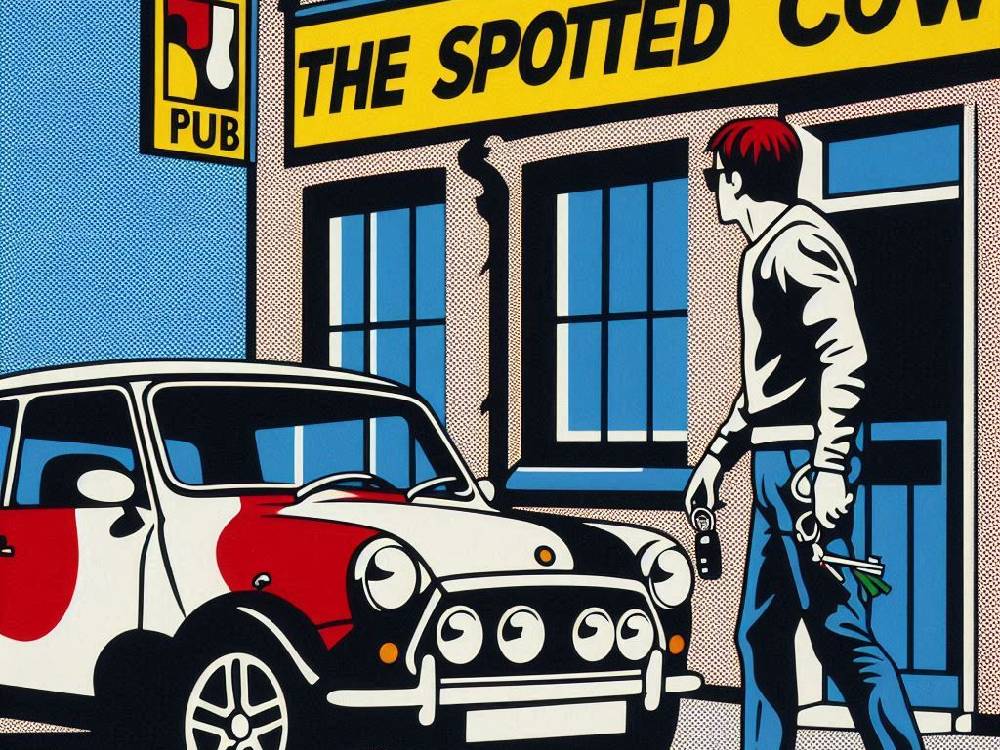
Now imagine you’re outside the bar.
Phone in one hand.
Keys in the other.
Waiting for a taxi.
Again, perfectly normal behaviour.
Again, feels harmless.
But from a policing perspective, you are:
- In close proximity to your vehicle
- In possession of the keys
- Potentially preparing to drive
That combination can be enough to raise suspicion.
And once suspicion exists, questioning follows.
And once questioning starts, interpretation matters.
This is not theory.
This is how charges happen.
If you’re trying to maintain access to cheap car insurance, this is exactly the kind of scenario that quietly destroys it.
You can see how drink-related offences impact premiums here:
https://www.cheapcarinsurance.co.uk/very-cheap-car-insurance/
Here’s the catch.
Intention To Drive: Drink Driving Car Insurance Rule That Changes Everything
The single most important word in this entire situation is intention.
Not what you did.
Not what you planned.
But what it looks like you might do.
Police assess intention based on context.
On timing.
On circumstances.
And on motivation.
Which means your normal life can work against you.
Why Work Commitments Can Be Used Against You
Let’s say you’ve had a big night.
You’re over the limit.
But you mention you’ve got work in the morning.
That alone can be seen as motivation to drive.
Not because you said you would.
But because you have a reason to.
Likewise with:
- Appointments
- School runs
- Commitments
- Deadlines
These everyday realities become evidence.
Which feels harsh.
But legally, it’s logical.
This is exactly why people are advised to stay away from their cars completely if they’ve been drinking.
Not just avoid driving.
Avoid the vehicle.
If you’re interested in how behaviour affects your risk profile, this guide explains it clearly:
Young Drivers Risk £12,000 Loss Over One Illegal Habit
And this is where it starts to hit home.
What The Law Actually Says (Without the Legal Jargon)
Legal language makes this sound complicated.
In reality, it’s brutally simple.
According to legal experts, you can be charged with being drunk in charge of a vehicle if indicators suggest you may drive.
Those indicators include:
- Being close to your car
- Being inside your car, even in the passenger seat
- Having the keys in the ignition
- Having a clear reason to drive
That’s it.
No engine noise required.
No movement required.
Or distance covered.
Just possibility.
This is the part most drivers never learn.
Until it’s too late.
Now it gets expensive.
How This Impacts Your Car Insurance
At first, it feels like a legal issue.
However, in reality, it quickly becomes a financial one.
Because once a drink-related offence appears on your record, insurers respond immediately.
Not slowly.
Not gently.
Immediately.
As a result, every quote changes.
Every insurer recalculates.
Every underwriter reassesses.
Consequently, your Car Insurance stops being competitive and starts being restrictive.
Even Very cheap car insurance becomes difficult to access.
Sometimes permanently.
The Best Time To Buy Car Insurance—And How To Avoid Overpaying
Why Insurers See This As High-Risk Behaviour
On the surface, it looks like one mistake.
However, to insurers, it signals a pattern.
Specifically, a pattern of impaired judgement.
And in insurance terms, impaired judgement equals increased risk.
Therefore, premiums rise.
As a result, excesses increase.
In turn, policy options narrow.
Consequently, flexibility disappears.
Which is why many drivers suddenly struggle to access Cheap Insurance in the UK.
Not because they are bad people.
But because the risk profile changed.
And once a profile changes, pricing follows.
Always.
If you want to understand how insurers calculate these shifts, this breakdown shows it step by step:
Do all Car Insurance Companies Ask About Criminal Convictions?
Why Police Presence Is Increasing Right Now
At this time of year, enforcement intensifies.
Not randomly.
Not coincidentally.
Deliberately.
Because statistically, offences increase.
Therefore, resources follow.
As a result, roadside checks become more common.
In addition, patrols increase.
Meanwhile, checkpoints expand.
Consequently, detection rises.
Which means small mistakes get noticed.
And when mistakes get noticed, consequences follow.
This is precisely why festive periods are high-risk.
Not because drivers are worse.
But because exposure is higher.
And higher exposure always leads to higher capture rates.
This is where caution matters most.
Not later.
Now.
The Safest Option (And It’s Not Clever)
If you are drinking.
Then stay away from your car.
Not mostly.
Not usually.
Completely.
Because proximity creates interpretation.
And interpretation creates risk.
Therefore, distance becomes protection.
As a result, separation becomes strategy.
This is not paranoia.
This is prevention.
So instead, use:
- A taxi
- Public transport
- A lift
- A hotel
- A friend’s sofa
Anything except your vehicle.
Because once you are near it, with keys in hand, the narrative changes.
And once the narrative changes, control shifts.
If you are unsure what counts as legal cover in unusual situations, this explains it clearly:
https://www.cheapcarinsurance.co.uk/petrol-money-lift-legality-why-that-lift-could-invalidate-your-car-insurance/
Drink Driving Car Insurance – The Simple Rule That Will Keep You Safe
If you are over the limit.
Stay away from the car.
Full stop.
No exceptions.
No clever workarounds.
Technical arguments are a no no.
Because while logic feels comforting, law is literal.
Therefore, simplicity wins.
Distance equals safety.
Proximity equals exposure.
As a result, one decision protects:
- Your licence
- Driving record
- Premiums
- Your access to Cheapest car insurance
In turn, that protection preserves your future options.
And that matters more than most people realise.
Especially for younger drivers.
For new drivers.
Anyone already paying too much.
If you are buying insurance for a younger driver, this guide is essential reading:
https://www.cheapcarinsurance.co.uk/uk-car-insurance-for-young-drivers/
Conclusion
At first glance, drink-driving seems simple.
However, in reality, the law is wider.
And the consequences are deeper.
Because this is not just about driving.
It is about access.
About control.
It is about interpretation.
And ultimately, it is about how others judge your intention.
Most drivers never consider this.
Until it costs them.
And by then, it is too late.
If you care about your Car Insurance, this rule matters.
Not occasionally.
Consistently.
Stay away from the car.
Protect your position.
And remove the risk entirely.
Because prevention is always cheaper than repair.
If you want to see how quickly small errors turn into penalties, this guide explains it clearly:
Car Insurance And Wearing Headphones: What UK Drivers Need To Know