Introduction
Highway Code Rule…
It’s a rule most drivers have never been taught.
Yet it’s quietly written into the Highway Code.
And every single day, millions of UK motorists ignore it without realising.
This matters more than people think.
Not just for safety.
But for Car Insurance, liability, and how insurers judge risk when something goes wrong.
Highway Code Rule Almost Everyone Misses
Most people think they know the Highway Code.
They remember speed limits.
Roundabouts.
Zebra crossings.
But very few remember what it says about driveways.
And that’s because it’s rarely discussed.
Rarely enforced.
And almost never explained.
Here’s the guidance, word for word:
“Do not reverse from a side road into a main road.
When using a driveway, reverse in and drive out if you can.”
That’s it.
No fanfare.
There are no warning signs.
No penalty points.
Just a line quietly sitting in the background of everyday driving life.
Now think about what you see on your own street.
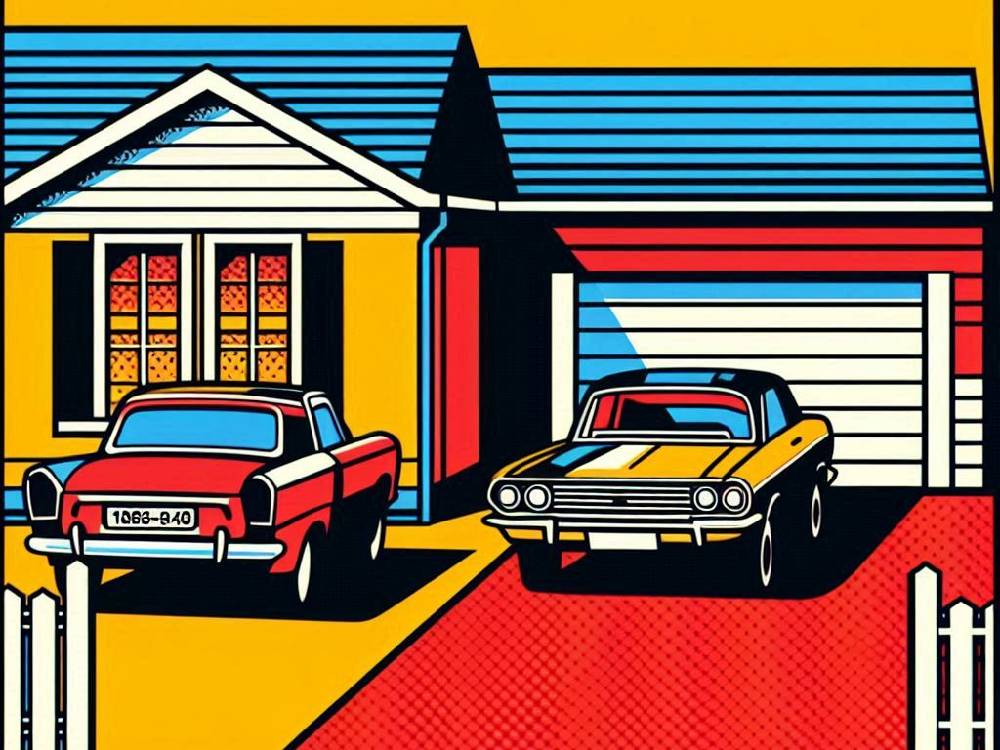
Cars pulled straight onto driveways.
Nose-first.
Facing the house.
That’s the norm.
And it’s exactly why this rule slips under the radar.
Millions Of Drivers Break This Highway Code Rule Every Day
This isn’t reckless behaviour.
It’s habit.
You get home from work.
You’re tired.
You just want to park and go inside.
So you swing straight in.
Engine off.
Job done.
That habit repeats.
Day after day.
Year after year.
Here’s the key point.
Most drivers genuinely believe they’re doing nothing wrong.
There’s no sign telling you otherwise.
No neighbour complaining.
No ticket on the windscreen.
So the behaviour feels normal.
Because it is normal.
And that’s why millions of drivers break this Highway Code guidance daily without a second thought.
But normal doesn’t always mean safe.
And it definitely doesn’t mean irrelevant to Car Insurance.
This Is Why The Highway Code Rule Says Reverse Onto Your Driveway
Let’s be clear.
This rule exists for one reason.
Safety.
Not bureaucracy.
Not technicality.
When you reverse into your driveway, you do it slowly.
You’re already aware of traffic.
You’ve just come off the road.
You can see pedestrians.
Cyclists.
Children.
Everything is in front of you.
Now compare that to reversing out later.
Your view is limited.
Your mirrors only tell part of the story.
Cars approach from both directions.
Pedestrians appear suddenly.
Cyclists move faster than expected.
And reaction time shrinks.
This is exactly why reversing out of driveways features in so many low-speed but high-impact accidents.
Not dramatic crashes.
The subtle ones.
The kind insurers argue over.
Why Most Drivers Never Question This Habit
There’s another reason this rule gets ignored.
It doesn’t feel like a rule.
There’s no offence attached.
No fine.
No points.
And that’s important.
In the UK, many drivers subconsciously rank rules by punishment.
If there’s no penalty, it must not matter.
But the Highway Code doesn’t work like that.
Some rules exist to guide behaviour.
Especially where safety is involved.
This one falls into that category.
It’s guidance.
Not law.
But guidance still matters.
Especially when insurers assess responsibility after an incident.
And that’s where things get uncomfortable.
What This Means For Car Insurance Claims
Here’s where Car Insurance enters the picture properly.
If you reverse out of your driveway and collide with another vehicle.
Or a cyclist.
Or a pedestrian.
Insurers don’t just ask what happened.
They ask how it happened.
They look at:
- Visibility
- Manoeuvre choice
- Avoidability
- Compliance with Highway Code guidance
And while this rule isn’t law, it can still influence liability decisions.
That surprises people.
But insurers don’t operate on innocence.
They operate on risk.
This is why understanding how insurers assess everyday habits matters if you’re trying to secure Cheap Insurance UK long term.
If you want a deeper breakdown of how insurers view everyday driving behaviour, this guide explains it clearly:
Car Insurance Options Explained
This Is Where Drivers Get Caught Out
Here’s the trap.
Most drivers assume insurance only cares about illegal behaviour.
Speeding.
Drink-driving.
Mobile phones.
But insurers also care about foreseeable risk.
Reversing blindly into a live road qualifies.
Especially if Highway Code guidance suggests a safer alternative existed.
That doesn’t mean every driveway accident invalidates cover.
It doesn’t.
But it can complicate claims.
And complexity often means:
- Slower payouts
- Disputed liability
- Increased premiums at renewal
If you’re already trying to reduce costs, understanding what quietly increases risk matters.
This breakdown on reducing insurance costs explains how small habits can add up:
How Can I Reduce My Insurance Cost UK
So Why Isn’t This Highway Code Rule Talked About More?
Because it’s uncomfortable.
It challenges a behaviour almost everyone shares.
It’s easier to ignore something universal than confront it.
And without enforcement, awareness fades.
But awareness is exactly what prevents problems later.
Not panic.
Not fear.
Just informed driving.
Because the goal isn’t perfection.
It’s fewer surprises when something goes wrong.
The Takeaway So Far
This isn’t about blaming drivers.
It’s about understanding how everyday habits intersect with safety and Car Insurance.
Most people don’t knowingly break Highway Code guidance.
They simply aren’t told.
Now you are.
And what you do with that knowledge is entirely up to you.
But when insurers review risk, they don’t judge intent.
They judge outcomes.
And habits shape outcomes.
Why Insurers Care About Small, Everyday Driving Habits
At first glance, this rule seems trivial.
However, from an insurer’s perspective, trivial details rarely stay trivial.
Instead, insurers think structurally.
More specifically, they think in patterns.
Patterns of behaviour.
Patterns of claims.
And, crucially, patterns of avoidable risk.
Because of that, everyday manoeuvres matter far more than drivers expect.
In practice, reversing out of a driveway introduces uncertainty.
By contrast, reversing in usually happens with full visibility.
As a result, insurers quietly categorise one as higher risk.
Not emotionally.
Statistically.
And when statistics repeat, underwriting models respond.
If you want to see how insurers translate everyday behaviour into pricing logic, this explainer is useful:
https://www.cheapcarinsurance.co.uk/navigating-car-insurance-costs/
How Fault Can Shift After A Driveway Accident
Initially, fault often feels obvious.
Someone reversed.
Someone was hit.
However, insurance investigations rarely stop there.
Instead, insurers reconstruct the sequence.
They ask what could reasonably have been foreseen.
They ask what safer alternatives existed.
And, importantly, they ask whether guidance was ignored.
Because the Highway Code explicitly advises reversing in where possible, reversing out introduces context.
Not guilt.
Context.
As a result, fault can quietly shift.
Sometimes partially.
Sometimes significantly.
And once fault is shared, consequences follow.
Premiums rise.
No-claims discounts shrink.
Renewal quotes harden.
Therefore, for drivers chasing Cheapest Car Insurance, understanding these subtleties matters.
This breakdown explains how insurers assess blame beyond the obvious:
https://www.cheapcarinsurance.co.uk/can-someone-make-a-claim-against-me/
Why Residential Streets Increase Insurance Sensitivity
At the same time, location changes everything.
Residential streets aren’t neutral environments.
They’re unpredictable.
Children appear suddenly.
Cyclists pass close.
Delivery vehicles stop without warning.
Consequently, insurers view these streets as higher density risk zones.
So when a vehicle reverses out with restricted visibility, the manoeuvre itself becomes the focus.
Not speed.
Not intent.
But avoidability.
Because reversing in earlier would have reduced exposure, insurers factor that in.
In other words, behaviour matters most where risk clusters.
This is also why parking location affects premiums more than many drivers realise:
https://www.cheapcarinsurance.co.uk/uk-parking-law-street-vs-driveway-impact-drivers/
Why This Highway Code Rule Will Likely Remain Overlooked
Naturally, some drivers assume this guidance will eventually be enforced.
However, that’s unlikely.
There are no practical enforcement mechanisms.
Nor is there political appetite.
Nevertheless, relevance doesn’t require enforcement.
Because insurers don’t need fines to apply consequences.
They only need patterns.
And as long as reversing-out incidents continue to occur, this rule will remain quietly influential.
Even if most drivers never consciously acknowledge it.
Conclusion
Ultimately, this Highway Code rule isn’t obscure because it’s pointless.
Rather, it’s obscure because it challenges a universal habit.
Most drivers park the same way every day.
And most never experience a problem.
However, when something does happen, insurers zoom out.
They examine context.
Examine guidance.
And they examine alternatives.
And that’s where driveway behaviour suddenly matters.
Not morally.
Mechanically.
Understanding that distinction helps claims stay cleaner.
It helps renewals stay cheaper.
And, over time, it helps Car Insurance work in your favour rather than against you.
Awareness doesn’t guarantee savings.
But, consistently, it reduces risk.
And in insurance, reduced risk is everything.