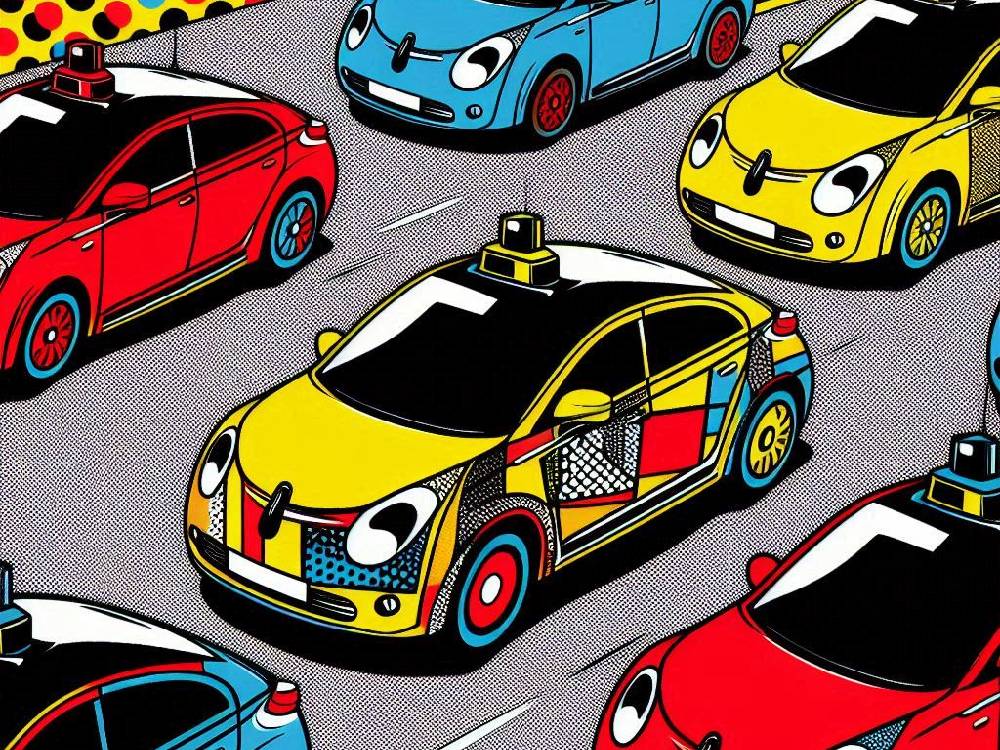
Car Insurance Costs UK: Will Self-Driving Cars Finally Cut Costs For UK Drivers?

Introduction

Car Insurance costs keep rising across the UK, yet drivers still chase Cheap Car Insurance wherever they can find it.

However, new automotive technology could change everything.

Specifically, self-driving vehicles promise fewer accidents, smarter safety, and possibly the cheapest car insurance many drivers have hoped for.

So here’s the big question.

Will automation genuinely reduce premiums, or will insurers simply shift the costs elsewhere?

And here’s the kicker.

Technology rarely reduces costs instantly.

Instead, markets adjust slowly.

Insurance Costs Explained: Why Car Insurance Costs Keep Climbing

Car Insurance pricing reflects risk first, profit second.

Consequently, accident rates directly influence premiums.

Meanwhile, modern vehicles cost more to repair.

Even minor bumps now involve sensors, cameras, and software calibration.

Naturally, insurers pass those costs on.

For a broader overview, see Cheap Car Insurance comparisons across the UK market.

That said, price inflation plays a major role too.

Parts cost more.

Labour costs more.

Claims payouts therefore increase steadily.

And here’s the reality.

Drivers often notice the rise only at renewal.

How Technology Complicates Cheap Car Insurance

Modern cars promise safety.

However, they also increase repair complexity.

Consequently, insurers balance reduced accident risk against expensive claims.

Advanced driver assistance already influences pricing.

Telematics policies illustrate this clearly.

If you’re curious, explore telematics car insurance for current savings potential.

Still, full autonomy introduces a different equation.

Responsibility may shift away from drivers.

Manufacturers could carry more liability.

And that changes everything.

Now here’s where it gets interesting.

Insurance may evolve faster than driving habits.

What Self-Driving Cars Actually Mean For Insurance

Not all “self-driving” cars drive themselves completely.

In reality, automation exists on a spectrum.

Some systems assist drivers only.

Others aim for full autonomy eventually.

The distinction matters enormously for insurers.

Because partial automation still involves human error.

And human error drives most claims.

If you want policy breakdowns, see car insurance options for current UK coverage types.

Nevertheless, insurers already monitor emerging trends.

They collect driving data constantly.

They analyse behavioural patterns.

And therefore they refine risk models continuously.

Let that sink in.

Insurance pricing increasingly follows data, not guesswork.

Will Fewer Accidents Really Mean Cheaper Insurance?

Logically, fewer crashes should reduce premiums.

Therefore, autonomous safety systems create optimism.

Emergency braking already lowers collision frequency.

Lane assist reduces drifting accidents.

Predictive software reacts faster than humans.

Consequently, claims frequency could decline significantly.

To understand cost calculation factors, see how insurers calculate insurance.

However, optimism alone does not guarantee savings.

Repair costs still matter.

Software failures create new liabilities.

Cybersecurity risks also concern insurers.

And here’s the twist.

Safety gains sometimes increase claim complexity.

The Short-Term Reality For UK Drivers: Insurance Costs Explained

Many drivers expect instant premium drops.

Unfortunately, markets rarely move that quickly.

Insurers need years of reliable data first.

Meanwhile, mixed traffic complicates risk analysis.

Human drivers still dominate UK roads.

So accidents remain unpredictable.

If budget matters now, explore very cheap car insurance options available today.

Additionally, regular comparison still saves money.

Switching providers often reduces renewal costs.

Understanding trends also helps negotiation.

Here’s the bottom line.

Technology helps, but timing determines savings.

Why Self-Driving Cars Might NOT Cut Car Insurance Costs Immediately

However, optimism needs balance.

Because technology rarely lowers prices overnight.

Repair complexity remains the biggest obstacle.

Autonomous sensors cost serious money.

Even small collisions trigger expensive recalibration.

Consequently, insurers remain cautious.

If you want cost trends explained, see Has car insurance risen?.

And here’s the catch.

Safety improvements sometimes increase repair bills.

So premiums may stabilise first.

Then reductions might follow later.

That transition usually takes years.

Now think about this.

Early adopters often pay more initially.

Meanwhile, responsibility may move toward manufacturers.

Software errors differ from driver mistakes.

Therefore liability frameworks must evolve.

UK insurers already discuss these scenarios.

Regulators also monitor developments closely.

For clarity on coverage basics, read comprehensive vs third party insurance.

Because policy type still affects cost heavily.

Regardless of automation levels.

And here’s something overlooked.

Legal clarity takes time to establish.

So uncertainty keeps premiums cautious.

Data Will Shape Future Cheap Car Insurance

Autonomous cars generate constant data.

Driving behaviour becomes measurable precisely.

Consequently insurers gain powerful pricing insights.

Safer drivers could benefit fastest.

Higher-risk behaviour becomes harder to hide.

That said, privacy concerns also grow.

For savings strategies today, visit 5 ways to save money.

Because traditional tactics still work.

Comparison remains essential.

Negotiation still matters.

Here’s the interesting part.

Data transparency often lowers uncertainty.

And uncertainty usually increases premiums.

Electric And Autonomous Tech Often Intersect

Many self-driving prototypes are electric vehicles.

Therefore insurance trends overlap.

Battery replacement costs influence claims.

Charging infrastructure affects usage patterns.

Consequently insurers reassess risk models.

To explore this further, see car insurance electric vehicles.

Because EV insurance already evolves rapidly.

Automation will likely accelerate that shift.

And here’s another angle.

Technology adoption rarely happens uniformly.

That slows pricing adjustments.

What UK Drivers Should Focus On Today

Right now, comparison remains your strongest tool.

Because premiums vary massively between providers.

Switching insurers frequently reduces costs.

Even loyal customers benefit from checking alternatives.

If switching interests you, review switch car insurance guidance.

It often saves hundreds annually.

Also, understanding policy details helps negotiation.

Clear knowledge reduces unnecessary extras.

Confidence usually lowers quotes.

Here’s the bottom line.

Proactive drivers secure cheaper deals.

Passive ones often overpay.

Conclusion: Insurance Costs Explained

Self-driving technology promises safer roads eventually.

Therefore, long-term insurance costs could fall.

However, short-term complexity remains unavoidable.

Repair expenses stay high currently.

Legal frameworks still evolve gradually.

Consequently, immediate savings seem unlikely.

Yet the direction looks encouraging.

Technology typically improves safety steadily.

And safer roads generally mean cheaper insurance.

So what should you do?

Focus on current savings strategies first.

Compare policies regularly.

Understand your coverage thoroughly.

Stay informed about automotive innovation.

Because informed drivers secure the best deals.

If this topic interested you, explore more insights on Cheap Car Insurance, savings strategies, policy comparisons, and future insurance developments across the UK on cheapcarinsurance.co.uk, where practical guidance helps drivers find the cheapest car insurance confidently.

Car Insurance: The New Parking Rule That Could Change How Millions Drive In The UK

Introduction

Cheap Car Insurance UK..

A major shift in how you park, drive, and insure your vehicle is fast approaching.

The Government is preparing to make a decision that could reshape daily life for millions of UK motorists.

Drivers searching for Cheap Car Insurance may soon face changes that affect both convenience and cost.

A nationwide pavement-parking ban is edging closer with every announcement.

So what does this mean for you?

And how will it impact your day-to-day routine, your freedom to park, and your Car Insurance?

A Major New Driving Rule On The Horizon

A nationwide pavement-parking ban has been under review for years.

Now the Government has confirmed that consultation is closing.

A final decision is coming soon.

This matters.

It matters because the rule affects far more than just where people park.

It could reshape how millions navigate their neighbourhoods.

Here’s where things get serious.

The change could impact almost every UK street where parking already feels impossible.

Many drivers searching for the cheapest car insurance feel anxious about the potential disruption.

Still with me

Good — because the implications run deeper than most drivers expect.

Why The Government Wants This Change

The proposed ban sits inside a much larger road-safety strategy.

And that detail is crucial.

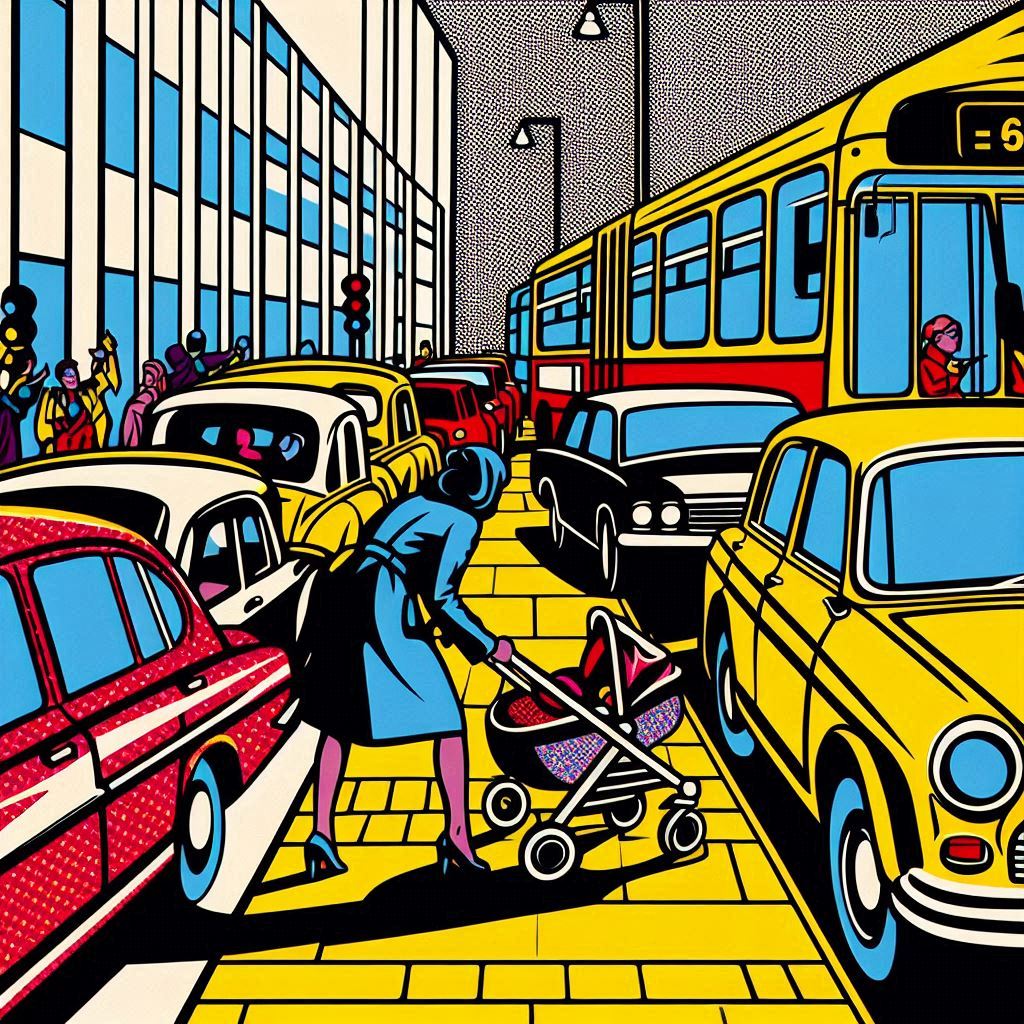
Ministers want to protect disabled residents, elderly pedestrians, parents with prams, and anyone forced into the road because of blocked pavements.

Pavement obstruction has become a national concern.

Campaigners argue the only effective solution is a full, nationwide ban.

The Government appears to be listening.

So what does this mean for drivers?

Safety rules influence insurance risk calculations.

You can see how insurers price safer behaviour in general here:
https://www.cheapcarinsurance.co.uk/

Premiums may shift as risk exposure changes.

But the story doesn’t end there.

How This Could Affect Drivers Without Driveways

This is where the impact becomes real for millions.

Many UK motorists live on narrow roads with no driveways.

Parking space is already scarce.

A pavement-parking ban could make it even harder to find a legal spot.

Imagine circling your street at night searching for space.

Or parking several roads away from home.

Having to carry bags or children across dark neighbourhoods because your usual space becomes illegal overnight.

For many households, this scenario feels unavoidable.

Parking habits directly influence risk exposure and insurance classification.

If you want to understand how cover types differ, explore this breakdown:
car-insurance-options/

Let’s keep going.

Because the next challenge could be even more confusing.

The Postcode-Lottery Problem Affecting Cheap Car Insurance UK

This is where uncertainty enters the picture.

Will the ban be enforced nationally?

Or will councils set their own rules?

If councils take control, drivers could face inconsistent enforcement across the country.

One council might issue immediate fines.

Another might delay.

A third might barely enforce anything at all.

That inconsistency could catch drivers off guard.

And confusion often leads to avoidable penalties.

For drivers trying to stabilise costs, this guide offers helpful strategies:
very-cheap-car-insurance/

So what happens next?

Ministers are under pressure to prevent a fragmented enforcement system.

What Ministers Are Saying So Far: Car Insurance UK

Ministers have promised a final decision soon.

That alone shows the process is finally moving.

Officials appear to be leaning toward expanding the ban.

But they also want to balance safety with practicality.

The message from Government statements is becoming clearer each month.

The ban is viewed as part of a modernised road-safety plan designed to protect vulnerable pedestrians.

And yes — the shift would affect how drivers manage Cheap Car Insurance UK and compliance.

If you want to see how certain UK cars compare for affordability, explore this list:
the-10-cheapest-cars-to-insure-in-2023/

Ready for the next section?

How A Nationwide Ban Would Change Daily Life

If a nationwide pavement-parking ban is introduced, daily life could shift dramatically for millions of drivers.

In fact, many motorists would need to rethink their parking routines entirely.

As a result, drivers may find themselves parking further from home each evening.

Consequently, small daily tasks could take longer and feel more inconvenient.

For example, school runs could require additional walking time.

Additionally, unloading shopping might become more tiring or time-consuming.

Furthermore, returning home late at night could feel less comfortable with fewer nearby spaces.

Here’s the twist.

These everyday changes don’t just affect convenience.

Instead, they can influence stress levels, travel patterns, and even insurance claims.

As insurers analyse these behavioural shifts, risk calculations may evolve accordingly.

That’s why understanding these implications is essential for anyone seeking Cheap Car Insurance.

Ultimately, daily driving routines may look very different once the ban is confirmed.

The Safety Argument — Strong Public Support

The movement behind the pavement-parking ban is not new.

Instead, it has grown steadily because communities prioritise safer pavements.

Moreover, parents with prams often struggle to navigate blocked footpaths.

Similarly, disabled pedestrians frequently face dangerous obstructions.

Additionally, elderly residents are often forced to step onto busy roads.

Therefore, campaigners argue that a consistent nationwide ban is necessary.

As a result, public support has increased significantly in recent years.

And because safer pavements reduce collisions, the benefits are substantial.

That’s why many believe the ban will ultimately improve community safety.

See why this matters?

When pavements become safer, insurance risk calculations often improve as well.

Consequently, some drivers may benefit from lower risk profiles in the long term.

For readers exploring additional safety-related savings, this guide is helpful:
young-drivers-tips/

Additionally, Government support for accessibility strengthens the policy’s momentum.

Car Insurance UK: What Drivers Should Do Now

Given the pace of change, drivers should start preparing immediately.

First, early preparation reduces the risk of unexpected penalties.

Second, these penalties can influence insurance premiums if ignored.

Third, staying informed helps drivers protect both convenience and cost.

To begin, motorists should monitor council announcements closely.

Additionally, they should keep an eye on national Government updates.

After that, it’s wise to review current parking habits.

Then, consider how a ban may affect daily parking decisions.

Here’s the key point.

Drivers who adapt early are less likely to breach new rules.

Consequently, they reduce the likelihood of future insurance complications.

For motorists exploring updated insurance options before rules shift, this guide offers support:
car-insurance-electric-vehicles/

Ultimately, proactive preparation protects your routine and your wallet.

Conclusion

A nationwide pavement-parking ban would represent one of the most significant behavioural shifts for UK motorists in decades.

Because the rule affects both safety and convenience, the ripple effects are substantial.

Furthermore, the ban would influence how drivers assess parking, travel, and risk.

Consequently, insurers may update their risk models as driver behaviour evolves.

Therefore, understanding the upcoming changes is essential for anyone seeking Cheap Insurance UK or attempting to maintain low premiums.

Moreover, early awareness helps drivers avoid penalties and unnecessary stress.

In addition, preparation allows motorists to adjust smoothly as new rules are introduced.

Ultimately, the next few months will shape how millions park, drive, and insure their vehicles.

So, stay updated.

Stay prepared.

And be ready for a change that could transform everyday driving across the UK.


Car Insurance Quote

Step 1

Complete your quick and easy quote

Car Insurance

Step 2

Reveal your car insurance policies

Cheapest

Step 3

Pick your favourite and get instant cover