Introduction
Car heater fine…
On a freezing winter morning, switching on your car heater might seem harmless.
However, one common mistake could land you with a fine or even a rejected car insurance claim.
Here’s what every UK driver needs to know:
- The winter heater mistake that could cost you money.
- The fines you could face for unnecessary engine idling.
- How your car insurance could be affected if someone steals your vehicle.
- Five simple precautions to keep your car safe this winter.
- How to find cheap car insurance without sacrificing essential protection.
The Common Winter Heater Mistake That Could Cost Drivers Money, Including A Car Heater Fine
Picture the scene.
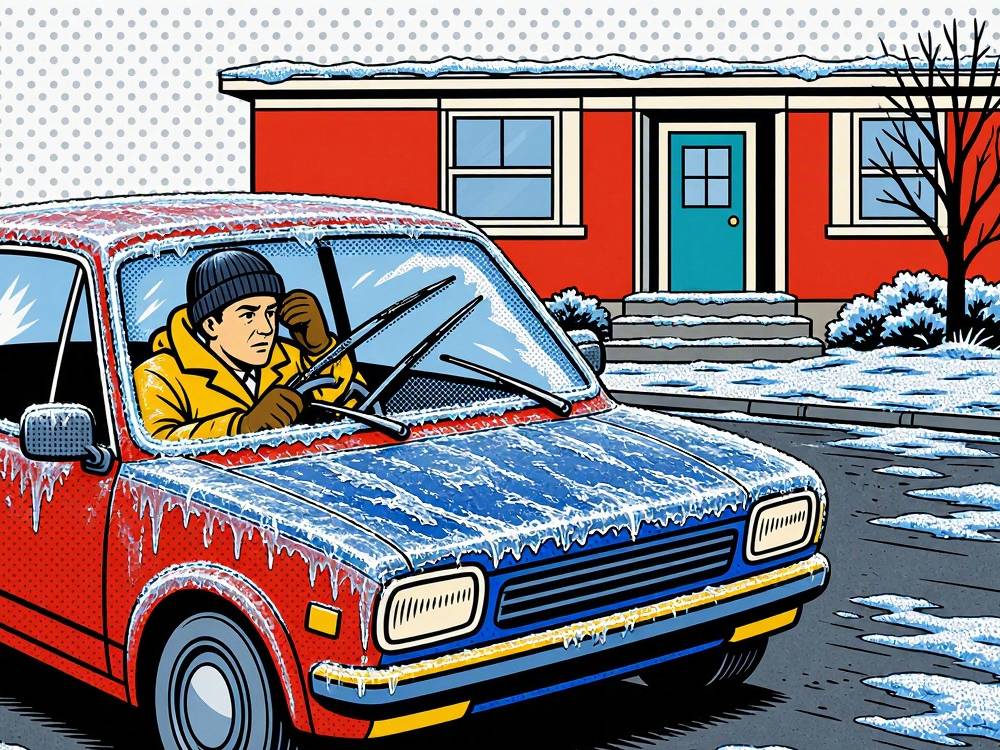
It’s a freezing winter morning, and your windscreen is covered in ice.
You start the engine, turn up the heater and head indoors for a coffee.
Harmless, right?
Not necessarily.
Leaving your car running unattended could breach UK motoring regulations and attract opportunistic thieves.
Worse still, if someone steals your vehicle with the keys inside, your insurer could reject your claim.
However, using your heater to defrost your windscreen is perfectly legal.
The problem arises when you leave your engine running unnecessarily or abandon your vehicle while it’s running.
Suddenly, that five-minute shortcut could become an expensive mistake.
Car Heater Fine: What Does UK Law Say About Leaving Your Engine Running?
Many motorists assume they can leave their engines running whenever they like, particularly during winter.
Unfortunately, that’s not quite how the law works.
UK motoring regulations restrict unnecessary engine idling on public roads.
They also prohibit leaving parked vehicles unattended with their engines running on roads.
However, briefly running your engine to defrost a frozen windscreen may be necessary for safe driving.
Highway Code Rule 123 Explained
According to Highway Code Rule 123, drivers must not leave parked vehicles unattended with their engines running.
The rule also prohibits unnecessary engine idling while stationary on public roads.
But there’s an important distinction.
Running your engine briefly to defrost a frozen windscreen is generally acceptable when necessary for safe driving.
Nevertheless, drivers should switch off their engines once they’ve finished preparing their vehicles.
And whatever the weather, leaving your vehicle running unattended creates an avoidable security risk.
Car Heater Fine – Can You Really Receive a Fine for Leaving Your Heater Running?
Yes, although the circumstances matter.
In England, authorised council officers can issue a £20 fixed penalty notice for unnecessary engine idling on public roads.
If you fail to pay within 28 days, the penalty can increase to £40.
However, some areas operate additional enforcement schemes with higher penalties.
Generally, officers ask drivers to switch off their engines before issuing an idling penalty.
Refusing that request could prove costly.
That said, briefly running your engine to defrost a frozen windscreen is generally acceptable.
The safest approach?
Only run your engine when necessary, and never leave your vehicle running unattended.
Could This Winter Mistake Affect Your Car Insurance?
Here’s where things get particularly expensive.
A £20 penalty might seem insignificant compared with the cost of replacing a stolen vehicle.
But imagine discovering that your car insurance won’t cover the theft.
Unfortunately, that’s a genuine possibility.
Your Insurer Could Reject a Theft Claim
Many car insurance policies exclude certain theft claims involving vehicles left unattended with their keys inside.
And insurers don’t necessarily make exceptions simply because you were warming up your car.
Consider a real case examined by the Financial Ombudsman Service.
A motorist left his vehicle running on his driveway while he went indoors.
Someone stole the car.
His insurer rejected the claim because he’d left the vehicle unattended with the keys inside.
The Ombudsman agreed that the insurer had acted fairly, given the circumstances and clearly highlighted policy exclusion.
That’s a costly lesson.
However, insurers cannot automatically reject every theft claim involving an unattended vehicle.
They must consider individual circumstances and apply policy conditions fairly.
Could a Winter Car Heater Fine Increase Your Insurance Premium?
Not necessarily.
A minor engine-idling penalty doesn’t automatically mean your next car insurance renewal will become more expensive.
However, certain motoring convictions, accidents and insurance claims can influence premiums.
What’s more, a previous theft claim could affect the price or availability of future cover.
That’s why understanding your policy matters just as much as finding a competitive premium.
After all, the cheapest car insurance isn’t necessarily the best deal if it excludes protection you genuinely need.
Before choosing a policy, explore the different car insurance options available to UK drivers.
Pay particular attention to theft protection, excesses and vehicle security conditions.
Because saving £50 annually means little if a preventable mistake leaves you thousands of pounds out of pocket.
Five Ways To Defrost Your Windscreen Safely
Nobody enjoys scraping ice from their windscreen on a freezing January morning.
Fortunately, a few simple precautions can help you avoid unnecessary risks.
1. Car Heater Fine – Use Your Heater Correctly
Start your engine while remaining with your vehicle, then direct warm air towards the windscreen.
Additionally, use heated windows if your car has them.
However, never drive away until your windows are completely clear.
2. Never Leave Your Engine Running Unattended
Heading indoors for a quick coffee might seem tempting.
But is that really worth risking your car?
Opportunistic thieves need only seconds to steal an unattended vehicle with its keys inside.
Worse still, your insurer could reject the resulting theft claim.
3. Use an Ice Scraper and De-Icer
Sometimes, the simplest solutions work best.
Use a suitable ice scraper and windscreen de-icer to remove stubborn frost.
However, never pour boiling water onto frozen glass.
Sudden temperature changes could crack your windscreen.
4. Clear Every Window Before Driving
Think you’ve scraped enough ice to see through a small section of your windscreen?
Think again.
Under Highway Code Rule 229, drivers must clear snow and ice from every window before setting off.
Additionally, ensure your mirrors, lights and number plates are clear.
Driving with restricted visibility could result in police action.
5. Prepare Your Car the Night Before and Avoid a Car Heater Fine
Here’s an easy winter driving trick.
Cover your windscreen with a suitable frost protector before temperatures drop.
Also, check your screenwash contains adequate antifreeze protection.
Consequently, you’ll spend less time scraping ice when morning arrives.
How Can Winter Driving Mistakes Affect Car Insurance Costs?
Winter brings additional hazards, including black ice, poor visibility and longer stopping distances.
Unfortunately, even minor accidents can have financial consequences.
For example, making an at-fault claim could increase your future car insurance premiums.
Likewise, certain motoring convictions may influence what insurers charge.
However, an engine-idling penalty doesn’t automatically increase your premium.
And here’s something else worth remembering.
Making an insurance claim could affect your no claims discount, depending on your policy.
Therefore, preventing avoidable accidents remains one of the simplest ways to protect your insurance history.
For more practical advice, explore our five ways to save money on car insurance.
How To Find Cheap Car Insurance This Winter
Avoiding winter driving fines is sensible, but your annual insurance premium deserves attention too.
And here’s something many drivers overlook.
Staying with the same insurer doesn’t necessarily guarantee the cheapest car insurance.
Compare Quotes from Different Insurers
Insurance companies calculate premiums differently, meaning identical drivers can receive very different quotes.
Therefore, comparing policies could uncover substantial savings.
If you’re searching for cheap car insurance, always check the excess and exclusions alongside the price.
Choose the Right Level of Cover
Here’s a common misconception.
Third party insurance must always cost less than comprehensive cover, right?
Not necessarily.
In fact, comprehensive policies can sometimes be cheaper, depending on your circumstances.
Our guide to comprehensive vs third party car insurance explains the differences.
Review Your Policy Before Renewal
Don’t automatically accept your renewal quote without comparing alternatives.
Instead, review your mileage, excess and optional extras.
Furthermore, make sure your policy accurately reflects your current circumstances.
If you’ve found a better deal, discover how to switch car insurance without unnecessary complications.
Ultimately, finding Cheap Insurance UK deals means balancing competitive prices with suitable protection.
Conclusion
Don’t let a winter morning turn into an expensive mistake
A frozen windscreen might be frustrating, but leaving your engine running unattended could prove considerably more expensive.
Not only could unnecessary idling lead to a fine, but vehicle theft could also create serious insurance complications.
Fortunately, avoiding these risks is straightforward.
Stay with your vehicle while defrosting it, clear every window and never leave your keys inside an unattended car.
And while you’re preparing for winter, why not check whether you’re paying too much for insurance?
At Cheap Car Insurance, we help UK motorists find competitive cover without unnecessary complications.
After all, winter driving already brings enough surprises.
Your car insurance premium doesn’t need to be another one.
Looking to reduce your motoring costs? Discover the 10 cheapest cars to insure, explore telematics car insurance, or find out whether breakdown cover is worth it before winter arrives.